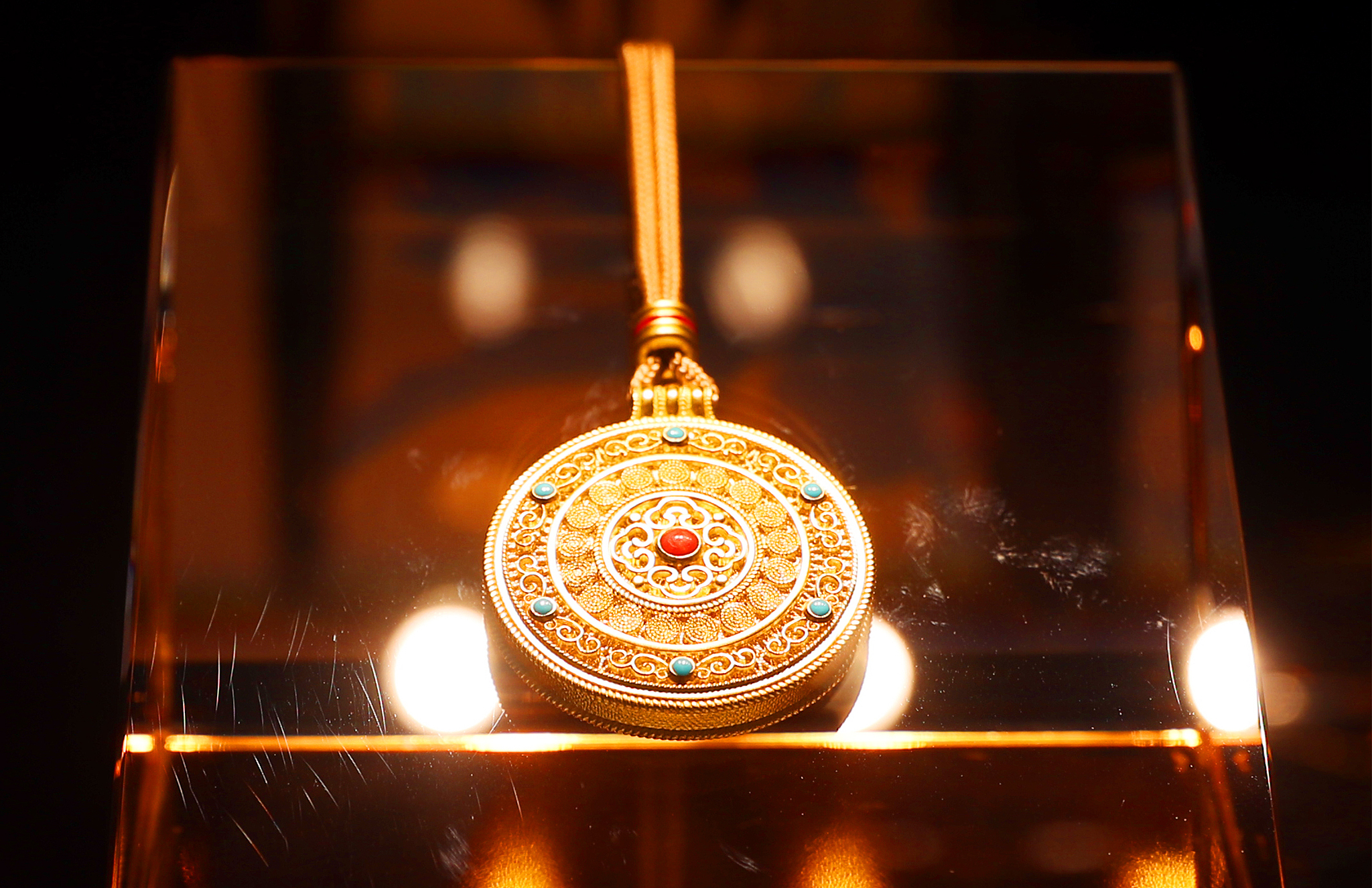
China's traditional gold jewelry segment, known as Gufajin, is experiencing explosive growth, challenging the dominance of Western luxury brands. For overseas jewelry buyers—importers, distributors, and private-label brands—this trend signals a shift in consumer preference toward culturally rich, craftsmanship-driven products over logo-centric luxury. Understanding Gufajin's rise is key to adapting sourcing strategies and capturing demand in China and beyond.
Market growth and scale
According to a Frost & Sullivan report, China's Gufajin jewelry market surged from 13 billion yuan (approx. $1.8 billion) in 2018 to 157.3 billion yuan (approx. $21.7 billion) in 2023. Projections indicate it could reach nearly 300 billion yuan (approx. $41.4 billion) by 2025. This rapid expansion underscores a major opportunity for suppliers of high-purity gold, traditional craftsmanship tools, and OEM/ODM services tailored to Gufajin designs.
Brand performance and global expansion
Emerging brand Lao Pu Huang Jin, a pioneer in popularizing Gufajin, reported 2025 sales of 27.3 billion yuan (approx. $3.8 billion), a 221% year-on-year increase across 45 directly managed stores. Growth in markets outside mainland China—including Hong Kong, Macau, and Singapore—reached 361%. Third-party data ranks the company as the world's second-largest jewelry seller by revenue, behind only LVMH Group. Established players like Chow Tai Fook have also launched Gufajin collections, selling through both physical stores and online channels.
Shift in pricing and value perception
Unlike traditional gold jewelry priced by gram weight, Gufajin accessories emphasize added value from brand heritage and craftsmanship. This model allows for higher margins and differentiated product positioning. For buyers, this means opportunities to source unique, high-margin items that appeal to younger, affluent consumers seeking cultural authenticity over mass-market luxury.
What buyers should watch
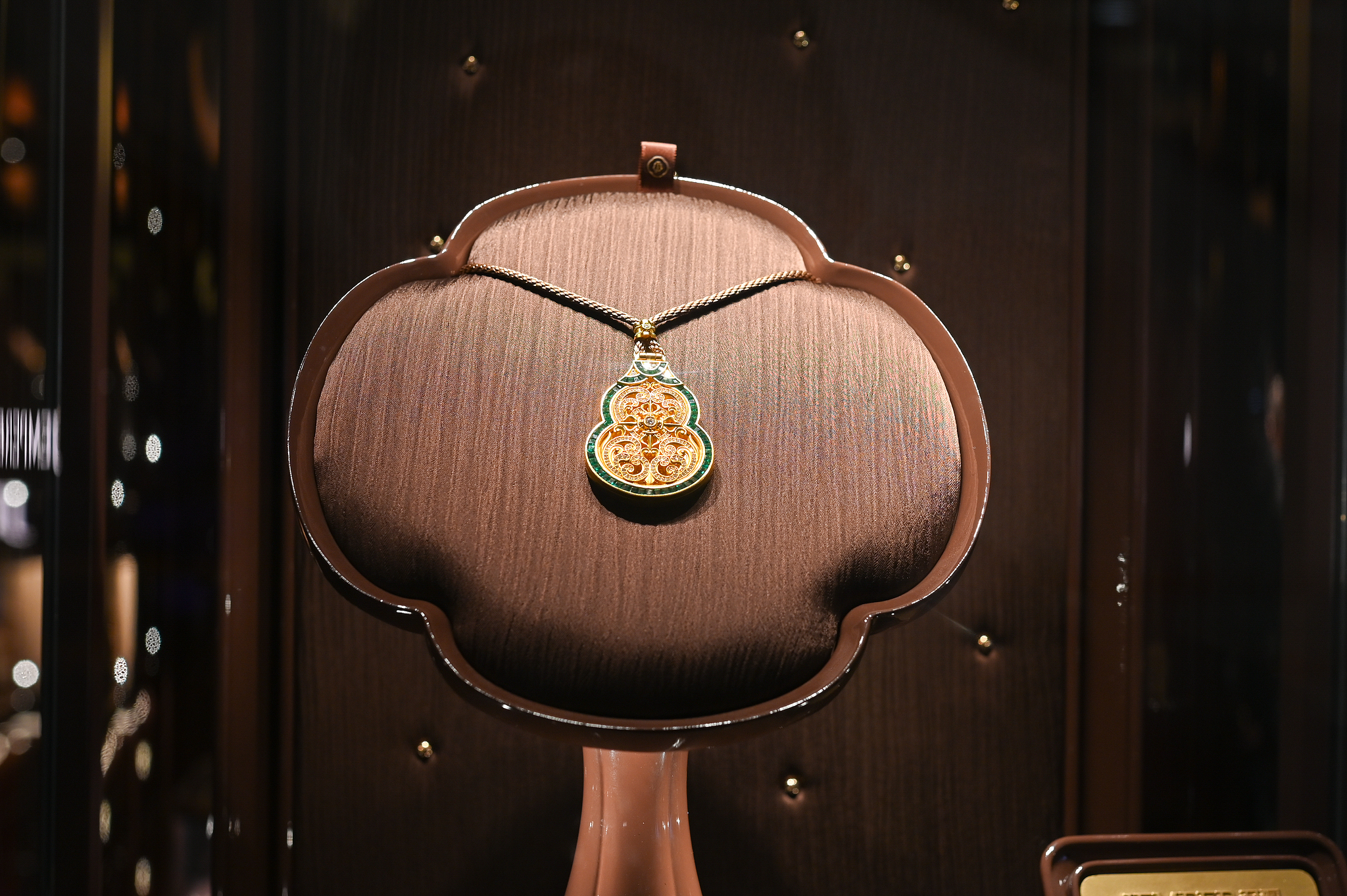
Overseas buyers should monitor the growing demand for Gufajin-inspired designs in global markets, particularly among diaspora communities and luxury consumers in Southeast Asia. Sourcing from Chinese manufacturers with expertise in traditional goldsmithing techniques—such as filigree, engraving, and inlay—can provide a competitive edge. Additionally, compliance with purity standards (typically 99.9% gold or higher) and transparent pricing will be critical for market acceptance.
Compliance and logistics signals
As Gufajin expands internationally, buyers must ensure adherence to local hallmarking and import regulations for high-karat gold jewelry. Working with suppliers who provide certification of traditional craftsmanship methods and purity testing reports will facilitate smoother customs clearance. Logistics partners experienced in handling high-value, fragile gold items are recommended to mitigate risk.
China sourcing context
China's Gufajin boom reflects a broader "Guochao" (national trend) movement, where young consumers embrace traditional culture reinterpreted through modern design. This trend is supported by government initiatives promoting intangible cultural heritage and by advancements in domestic technology and design systems. For sourcing professionals, this signals a maturing ecosystem of skilled artisans and reliable OEM partners capable of producing culturally resonant, high-quality gold jewelry at scale.
Source: Read the original report | Published: June 06, 2026