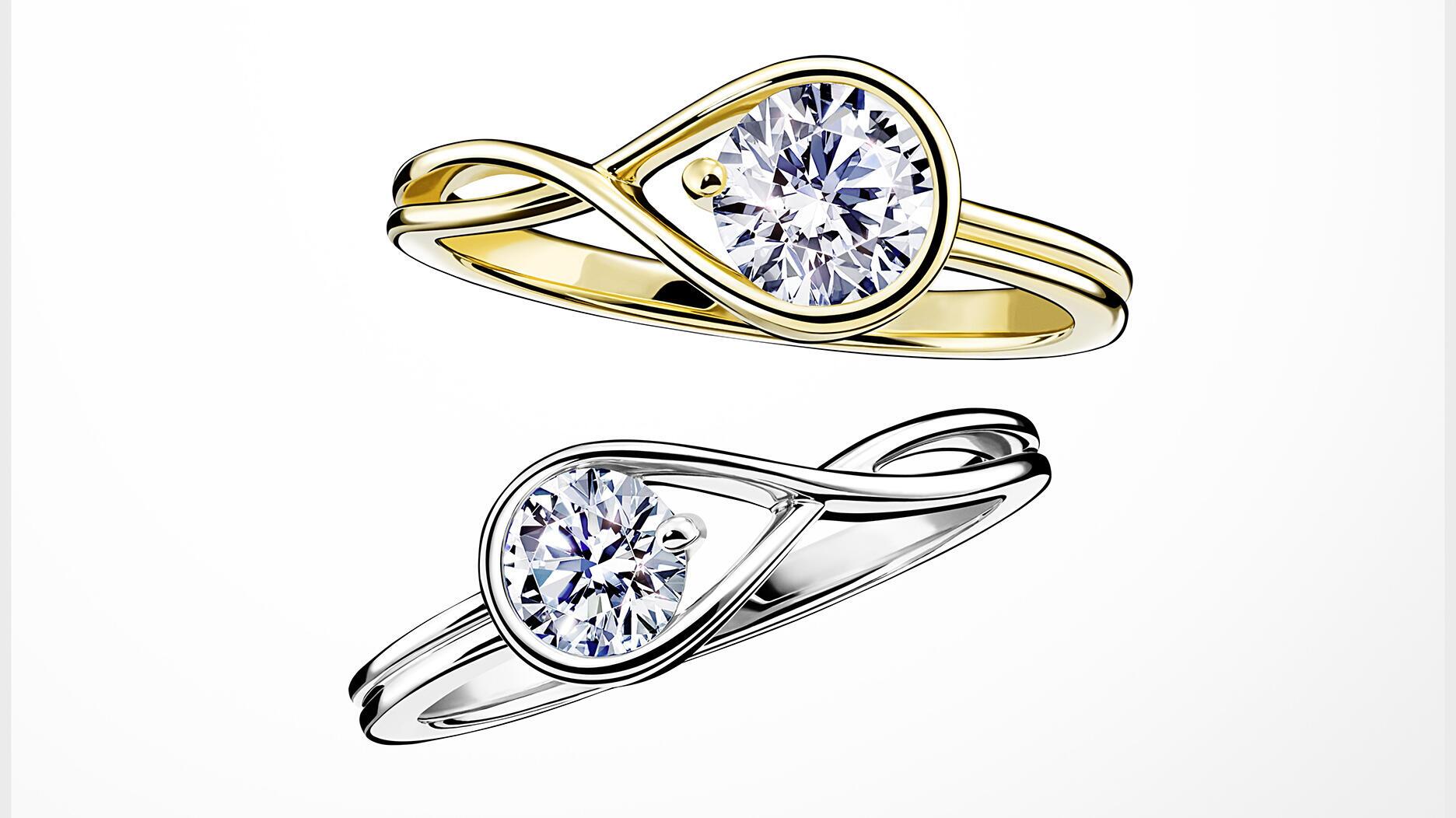
Danish jewelry giant Pandora will introduce carbon footprint labeling on its lab-grown diamond jewelry, a move aimed at transparency and appealing to environmentally conscious buyers. The announcement came alongside Q1 results showing a double-digit sales drop in the lab-grown diamond category, signaling challenges in the segment. For overseas jewelry buyers, this shift underscores growing demand for sustainability data in sourcing decisions.
Supply-chain impact
Pandora’s carbon labeling initiative reflects a broader industry trend toward traceability and environmental accountability in lab-grown diamond supply chains. For manufacturers and suppliers of lab-grown diamond jewelry, this means increased pressure to provide verified carbon footprint data. Buyers sourcing from China or other production hubs should anticipate similar requests from retailers and brands seeking to align with consumer expectations. The move could reshape how lab-grown diamonds are marketed and valued in the B2B market.
Lab-grown diamond sales performance

In Q1, Pandora’s lab-grown diamond jewelry sales totaled 75 million Danish kroner ($11.8 million), accounting for about 1% of total company revenue. The category recorded a double-digit sales decline, prompting the brand to adjust its marketing strategy. Pandora noted it had "over indexed" on its playful aesthetic and will now emphasize "sparkling," "bold," and "organic" designs to revive interest. This signals that even major brands face headwinds in the lab-grown diamond segment, a key consideration for importers and distributors.
Material diversification strategy
To mitigate volatile gold and silver prices, Pandora is expanding into platinum-plated jewelry. After piloting platinum-plated bracelets in 30 Northern European stores and online in Q1, the company plans a global launch in the second half of 2025, with broad rollout by 2027. By 2028, at least 50% of its relevant silver jewelry will transition to platinum-plated pieces, mostly produced in-house. This shift may affect demand for sterling silver findings and components in the supply chain.
What buyers should watch
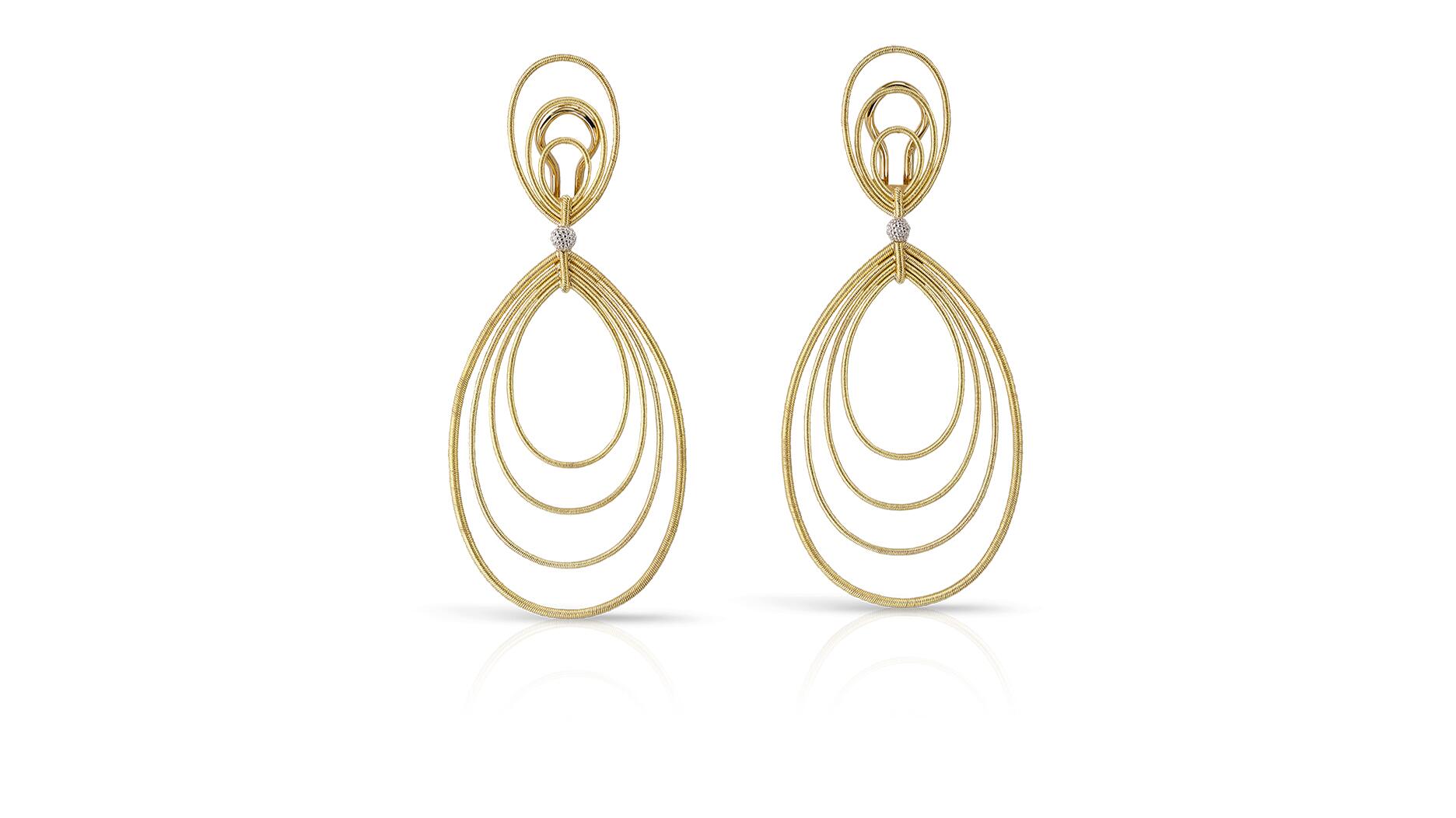
Overseas buyers should monitor Pandora’s carbon labeling rollout as a potential benchmark for lab-grown diamond sourcing requirements. Suppliers may need to invest in lifecycle assessment tools to meet similar demands from other retailers. Additionally, the pivot to platinum-plated jewelry could create new opportunities for manufacturers of base metal jewelry with precious metal plating. Pandora’s focus on design evolution and collaborations, such as the "Bridgerton" and "Katseye" partnerships, also highlights the importance of differentiated product offerings in a competitive market.
Compliance and logistics signals
Pandora’s CEO stated, "Being accessible is also about being transparent. We do think that this will reshape how environmentally conscious consumers will be choosing within the category." This suggests that carbon footprint data may become a standard compliance requirement for lab-grown diamond jewelry entering key markets like Europe and North America. Buyers should prepare for potential documentation and verification processes, especially for OEM/ODM orders, to avoid delays or non-compliance with retailer standards.
Source: Read the original report | Published: May 06, 2026