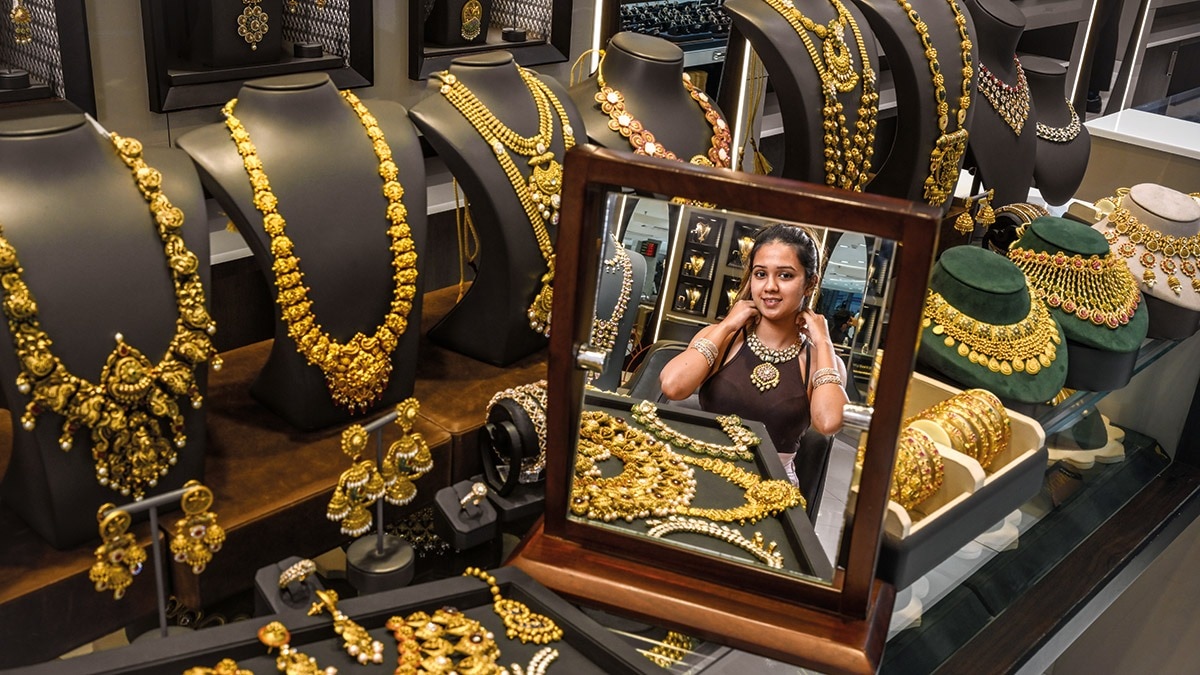
The India-EU Free Trade Agreement (FTA) has eliminated 2-4% duties on precious jewellery, giving Indian exporters a cost advantage over competitors like China, Thailand, and Hong Kong in the 27-nation EU market. The Gem and Jewellery Export Promotion Council (GJEPC) expects bilateral trade to double to $10 billion within three years, offering a critical opportunity for Indian suppliers as US exports decline by 44%.
Supply-chain impact
The FTA removes tariffs on precious jewellery (plain and studded), silver, and imitation jewellery, directly benefiting manufacturing hubs in Gujarat, Rajasthan, Maharashtra, and West Bengal. India's gems and jewellery exports to the EU stood at just $628 million in CY 2024, out of total exports of $30 billion, indicating significant room for growth. The zero-duty access is expected to encourage Indian retailers to open stores in the EU, similar to the trend seen after the India-UK deal when brands like Kalyan and Malabar expanded into the UK market.
Compliance and logistics signals
EU buyers impose stringent non-tariff requirements, including blockchain-enabled traceability, ESG norms for ethical sourcing, and real-time provenance tracking of gold and diamonds. While concerns around child labour and traceability have been largely addressed, Indian players must realign supply chains to meet global standards. The FTA reduces paperwork and compliance burdens, improving ease of doing business for smaller exporters.
What buyers should watch
Unlike the US mass market, the EU is a high-value market demanding premium finishing quality and relevant designs. Indian exporters will need to ramp up capabilities to leverage the FTA fully. Overseas buyers should monitor how Indian suppliers adapt to EU-specific design and quality standards, as well as their ability to provide blockchain traceability and ESG compliance documentation. The FTA may also shift sourcing patterns away from traditional EU manufacturing hubs like Italy, France, and Turkey.
China sourcing context
The FTA gives India a tariff advantage over China, Thailand, and Hong Kong in the EU market, potentially reshaping competitive dynamics for sterling silver, gold-plated brass, and imitation jewellery. Chinese exporters may face pressure to differentiate through pricing or compliance capabilities, while Indian suppliers gain a cost edge on precious jewellery. Buyers evaluating sourcing options should consider India's improved access alongside China's established scale and supply-chain efficiency.
Source: Read the original report | Published: February 17, 2026