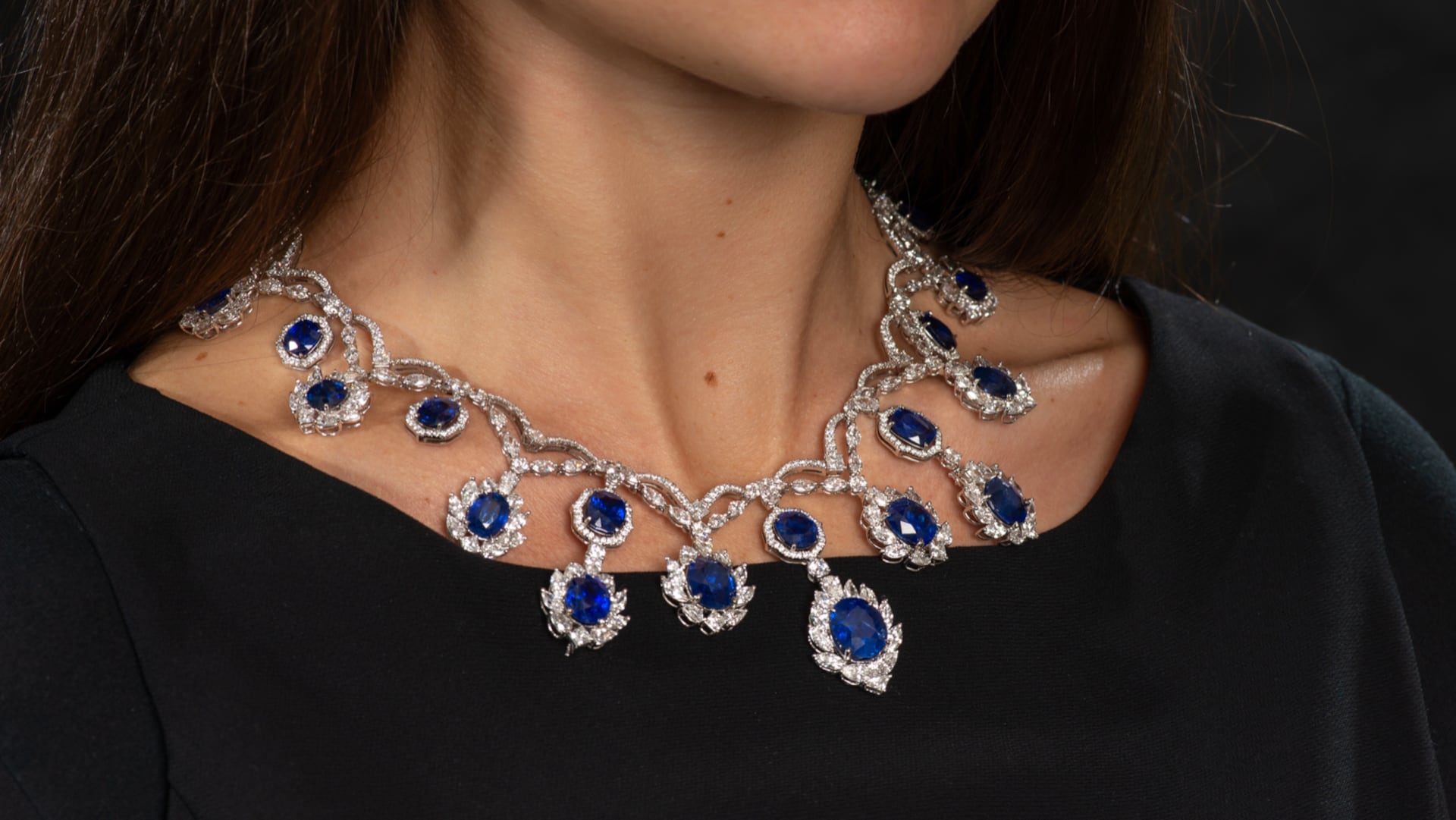
Jewelry is projected to be the fastest-growing fashion category by unit sales through 2028, expanding at nearly four times the rate of clothing, according to a new market analysis. For overseas jewelry buyers—including importers, distributors, and private-label brands—this signals sustained demand across both costume and fine segments, with branded jewelry and self-purchasing emerging as key drivers. The report highlights opportunities in lab-grown diamonds, men's jewelry, and Asia Pacific markets, particularly China and India, where cultural affinity and shifting consumer behavior are reshaping sourcing strategies.
Branded jewelry outpaces unbranded growth
Branded jewelry sales accounted for 25 percent of the market in 2024 and grew 8.3 percent annually between 2021 and 2024, nearly double the 4.3 percent growth of unbranded jewelry. In 2025, 61 percent of consumers globally say brand matters most when buying jewelry, rising to 82 percent in China. For suppliers, this underscores the importance of OEM/ODM partnerships with established brands or developing own-brand strategies for regional markets.
Lab-grown diamonds and diamond market shifts
Diamond jewelry represents roughly one-third of global jewelry sales and is expected to grow 4 to 5 percent annually through 2028. Lab-grown diamonds are forecast to expand 15 to 16 percent per year, driven by adoption in India, China, and the US. India has overtaken China as the world's second-largest diamond market, accounting for about 11 percent of global demand. Buyers should monitor lab-grown diamond supply chains and pricing trends, as well as India's growing role as a consumption hub.
Self-purchasing and men's jewelry create new demand
Forty-two percent of women and 35 percent of men report buying more jewelry for themselves than two to three years ago. By 2028, women will control over 75 percent of global discretionary spending. Retailers cite female self-purchasing as the top opportunity in silver jewelry, with strong sales for pieces priced $100 to $500. Men's jewelry is a fast-growing segment, projected to grow 7 to 8 percent annually through 2028. Brands like David Yurman, Graff, and De Beers are launching men's or unisex collections, signaling new product categories for manufacturers.
China sourcing context: branded and unbranded dynamics
In China, international brands account for over 50 percent of branded jewelry sales, but local players like Laopu Gold (fixed-price gold) and Kering-owned Qeelin are gaining traction. A softer property market has reinforced fine jewelry's appeal as a store of value, boosting unbranded segment demand. For sourcing partners, this means opportunities in both branded OEM/ODM and unbranded fine jewelry, particularly gold and diamond pieces that serve as investment alternatives.
What buyers should watch
Jewelry's role as both emotional and investment asset is driving growth, with consumers ranking it 15 percentage points higher than handbags for investment potential. Self-expression trends—including artisan handwork, customization, layering, and novelty designs—are creating demand across price points, from costume to high-end. Smaller brands offering unique, limited-quantity designs are rising. Buyers should consider diversifying product lines to include self-purchase-friendly price points, men's collections, and lab-grown diamond options to capture these emerging segments.
Source: Read the original report | Published: December 10, 2025