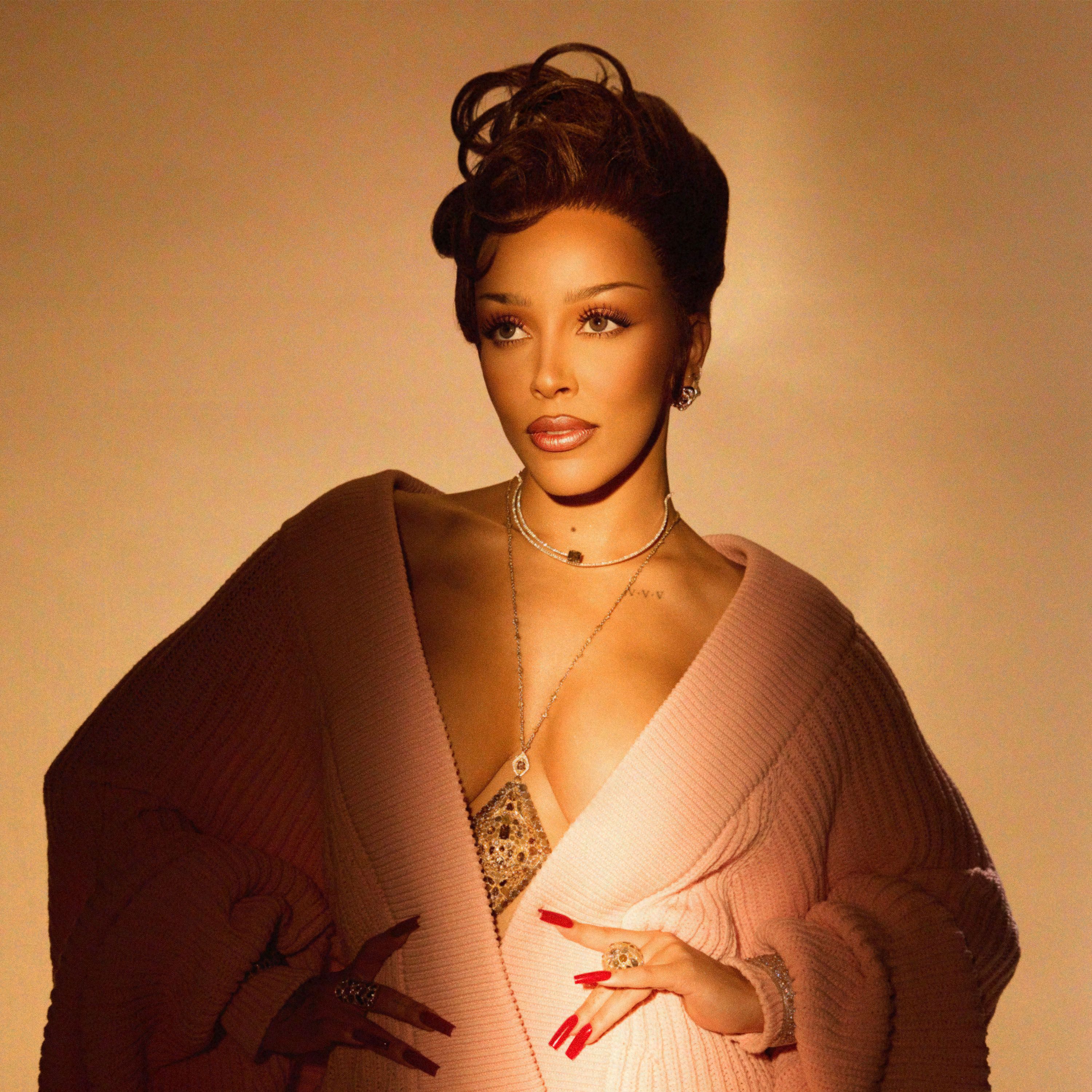
De Beers has launched its largest global marketing campaign since 1947's 'A Diamond Is Forever,' promoting desert-toned diamonds — champagne, cognac, and honey hues — to differentiate natural stones from lab-grown competition. For overseas jewelry buyers, this signals a strategic shift toward unique, lower-cost natural diamonds that can refresh bridal and fashion collections while managing tightening supply.
Supply-chain impact
Global primary natural diamond supply is projected to shrink by about 1% over the next decade, while wholesale value demand for cut and polished stones is expected to grow 2% to 4% from 2023 to 2033, according to a 2024 BCG-De Beers report. This supply-demand squeeze makes desert-hued diamonds an attractive option for buyers seeking to maintain margins and offer distinct products without competing on D-color white diamonds.
Consumer trend and design opportunity
Celebrity moments — Kim Kardashian wearing over 340 carats of colored diamonds at the Bezos-Sánchez wedding and Taylor Swift's warm-white engagement ring — reflect a five-year shift toward unique diamond colors. Designers like Fernando Jorge note that warm-toned diamonds pair naturally with wood and textured metals, enabling new jewelry narratives. Buyers can leverage this trend to differentiate bridal sets, earrings, and necklaces.
Pricing advantage over white diamonds
Desert-hued diamonds are more affordable than top-grade white diamonds, allowing clients with fixed budgets to play with color, purity, and carat size, says Satta Matturi of Matturi Fine Jewelry. This opens opportunities for private-label brands and trading companies to offer larger or more distinctive stones at accessible price points, appealing to cost-conscious importers.
Lab-grown diamond dynamics
Lab-grown diamonds now sell at an 80-90% discount to natural stones, down from 20% in 2018, curbing further cannibalization. US natural diamond demand slipped from $44 billion in 2018 to $43 billion in 2023, with $7 billion displaced by lab-grown. Analyst Paul Zimnisky notes that lab-grown demand rises as prices fall, but the abundance reduces perceived rarity — reinforcing the value of natural uniqueness.
What buyers should watch
De Beers's campaign invites the trade to move beyond the four Cs and embrace nature's variations. For sourcing managers, this means exploring inventory of champagne, cognac, and chocolate diamonds from suppliers like Moussaieff, Matturi, and Santi Jewels. The shift also encourages secondary-market antique diamonds, which offer character and provenance. Buyers should monitor De Beers's marketing rollout and adjust bridal and fashion collections accordingly.
Source: Read the original report | Published: December 04, 2025