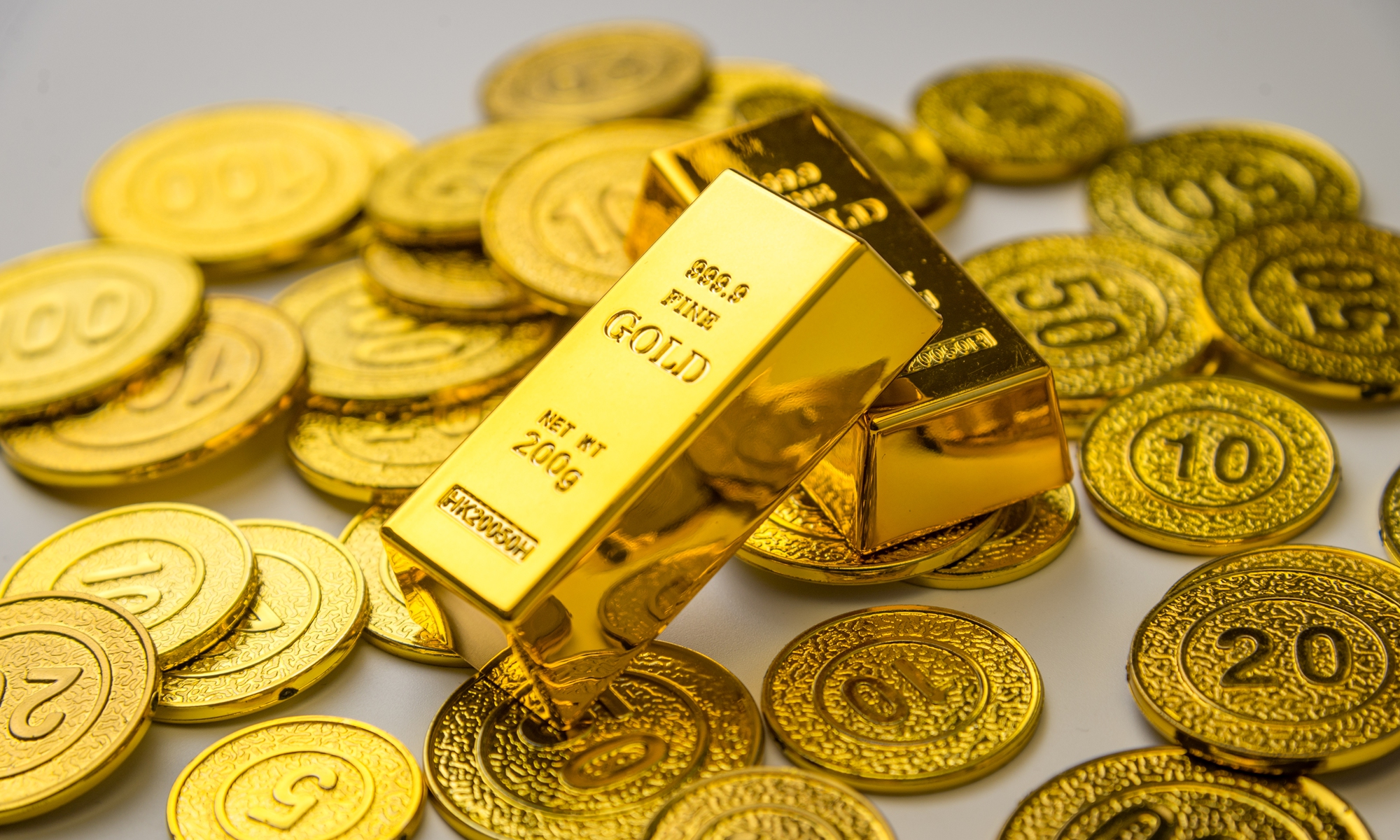
China's central bank has issued new anti-money laundering measures targeting precious metal and gemstone institutions, requiring them to report cash transactions of 100,000 yuan ($13,956) or more. Effective August 1, 2025, the rules aim to curb money laundering and terrorism financing, directly impacting jewelry supply-chain players handling gold, silver, platinum, diamonds, and jade. Overseas buyers should prepare for enhanced due diligence and reporting requirements when sourcing from China.
Scope of the new rules
The measures apply to institutions dealing in precious metals—including gold, silver, platinum, related coins, standard bars, products, intermediate products, and refined raw materials—as well as gemstones such as diamonds, jade, and other natural gemstone raw materials, jewelry, and physical products. Any cash transaction or daily cumulative cash transaction exceeding 100,000 yuan or the equivalent in foreign currency triggers compliance obligations.
Key compliance requirements
Institutions must adhere to the "Know Your Customer" principle, conducting customer due diligence based on customer characteristics, transaction nature, and money-laundering risks. They are required to submit a large-value transaction report to the China Anti-Money Laundering Monitoring and Analysis Center within five working days from the transaction date. This adds a layer of administrative burden for jewelry wholesalers and OEM/ODM suppliers.
What buyers should watch
Overseas importers and distributors sourcing from China should expect increased documentation requests from suppliers, especially for large cash payments. The rules may slow transaction processing for high-value orders, particularly for bridal sets, gold jewelry, and diamond lots. Buyers should confirm that their Chinese partners have updated compliance procedures before the August 1, 2025, effective date to avoid shipment delays.
China sourcing context
China remains a dominant hub for jewelry manufacturing, including sterling silver, gold-plated brass, and gemstone pieces. These new measures align with broader global anti-money laundering trends, similar to regulations in the EU and US. For private-label brands and trading companies, the key takeaway is to ensure transparent payment channels and maintain clear transaction records when dealing with Chinese suppliers of precious metals and gemstones.
Source: Read the original report | Published: July 02, 2025