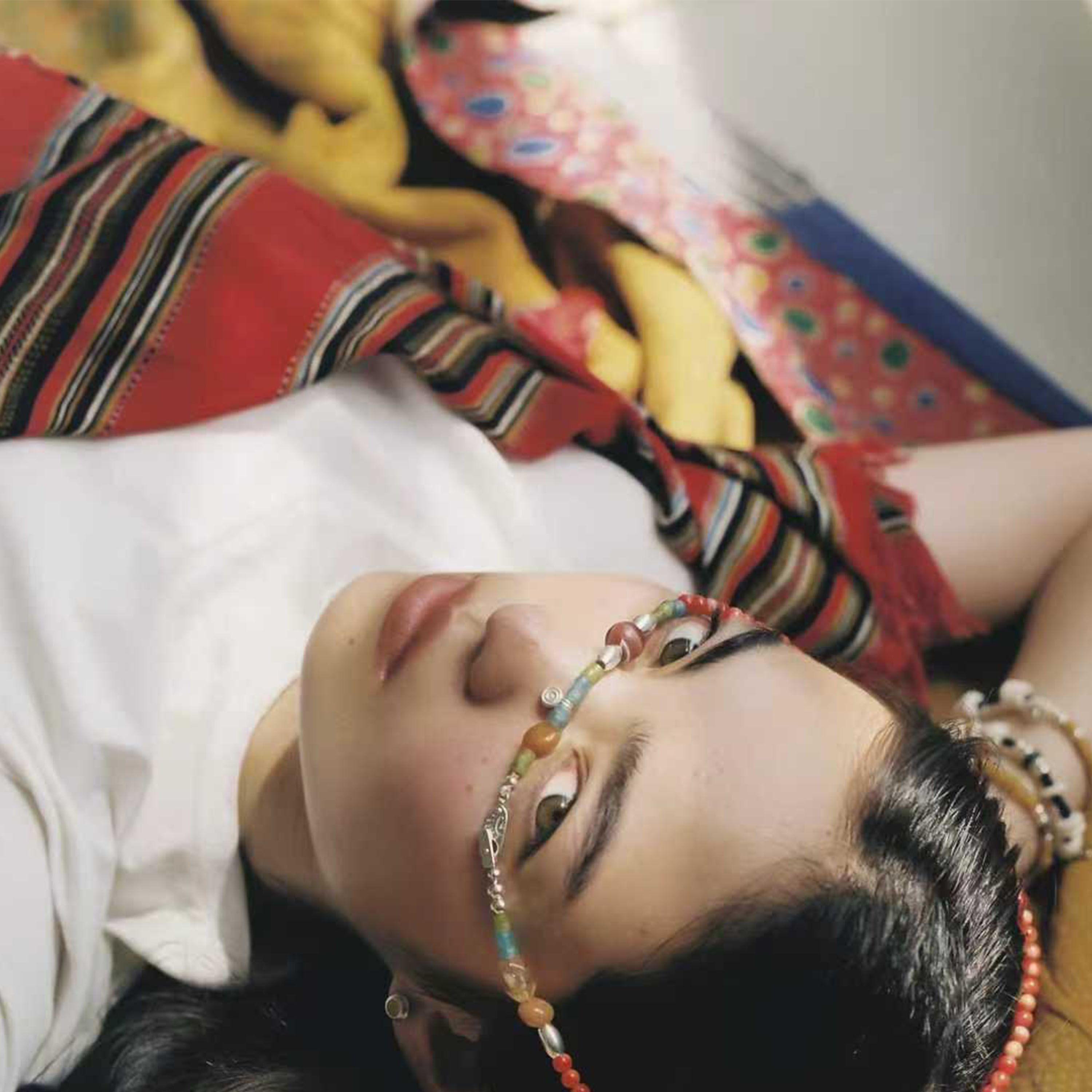
Chinese jewelry designers are pivoting to spiritual, traditional, and playful styles to meet shifting consumer demand, outpacing classic collections and attracting overseas buyers seeking unique, story-driven pieces. This trend, fueled by the guochao movement and rising material costs, offers new sourcing opportunities for importers and private-label brands.
Market shift toward emotional and spiritual jewelry
Designers Yezi Zhou and Ke Li launched their second brand Sale e Pepe in 2024, focusing on dainty, spiritual pieces with engraved emotions, red stones, and leather charms. Within its first year, Sale e Pepe has already surpassed their first brand Olio e Aceto in sales, securing around 30 Chinese stockists for Spring/Summer 2026. Zhou notes that post-pandemic consumers in China seek jewelry that brings emotion and energy, a sentiment echoed by showroom director Roger Miao, who says buyers now care about jewelry having a story to tell.
China’s luxury jewelry market expands amid economic headwinds
China’s luxury jewelry market grew 46% to $7 billion from 2020 to 2025, with a 7.1% CAGR, despite rising gold and silver costs due to tariffs. Domestic brands like Chow Tai Fook ($11.6 billion), Lao Feng Xiang ($6.8 billion), and newcomer Laopu (projected $2.8 billion by 2025) are thriving, while international giants like Cartier face regional headwinds. Showrooms in Shanghai are increasing their jewelry brand rosters, with Not Showroom adding eight brands this season and Tube Showroom dedicating a full room to jewelry.
Sourcing implications: nomadic and traditional styles gain traction
Japanese brand En Sage, with 150 stockists mostly in China, taps into the nomadic style with beaded necklaces and silver animal pendants, priced from RMB 800 to 2,000 ($110–$2,200). Designed in Tokyo and produced in Guangzhou, the brand benefits from local manufacturing to reduce costs. However, founder Jello warns the space is becoming saturated as more brands adopt similar beading and silhouettes. Another label, Hui Hui, which creates horse-hair pendants, secured 80 stockists in two years, reflecting strong demand for brown and earthy jewelry.
Material costs drive design and material shifts
The price of silver has risen 38% in the last 12 months, prompting designers like En Sage to pivot from silver to alternative materials such as leather, string, and beads. Several brands interviewed employ this strategy to manage climbing costs while maintaining aesthetic appeal. For overseas buyers, this opens opportunities to source unique, cost-effective pieces that align with the spiritual and traditional trend, while staying mindful of material volatility.
What buyers should watch
Overseas importers and distributors should monitor the growing preference for emotional and story-driven jewelry in China, which may influence global consumer tastes. The rise of domestic brands like Laopu, blending 24-karat gold with traditional Chinese motifs, signals a shift away from Western luxury dominance. Sourcing from Chinese manufacturers who specialize in nomadic, spiritual, or traditional styles could offer competitive advantages, but buyers should be aware of market saturation and rising material costs when negotiating terms.
Source: Read the original report | Published: October 30, 2025