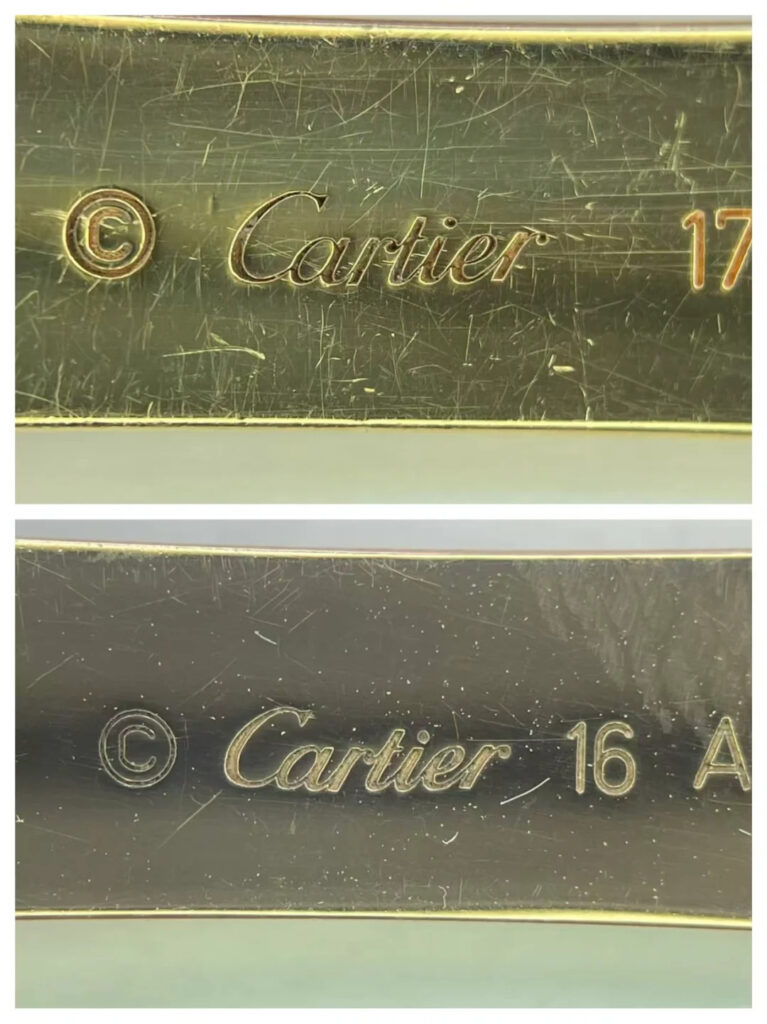
Chinese authorities have dismantled a counterfeit jewelry network allegedly worth over US$10 million, producing near-perfect replicas of Van Cleef & Arpels, Cartier, and Bulgari pieces. The operation used villa-sized factories and livestream commerce to distribute fakes, highlighting risks for overseas jewelry buyers sourcing from China and the need for robust authentication and supply-chain traceability.
Operation scale and sophistication
The counterfeit ring operated from villa-sized 'factories' that produced high-quality replicas of luxury jewelry from brands like Van Cleef & Arpels, Cartier, and Bulgari. Investigators discovered full packaging lines capable of recreating branded boxes, certificates, and accessories, indicating counterfeiters are now mirroring entire luxury supply chains rather than relying on piecemeal workshops. This level of sophistication poses challenges for legitimate jewelry importers and distributors who must ensure their supply chains are free from counterfeit infiltration.
_来自小红书网页版.jpg)
Livestream distribution channel
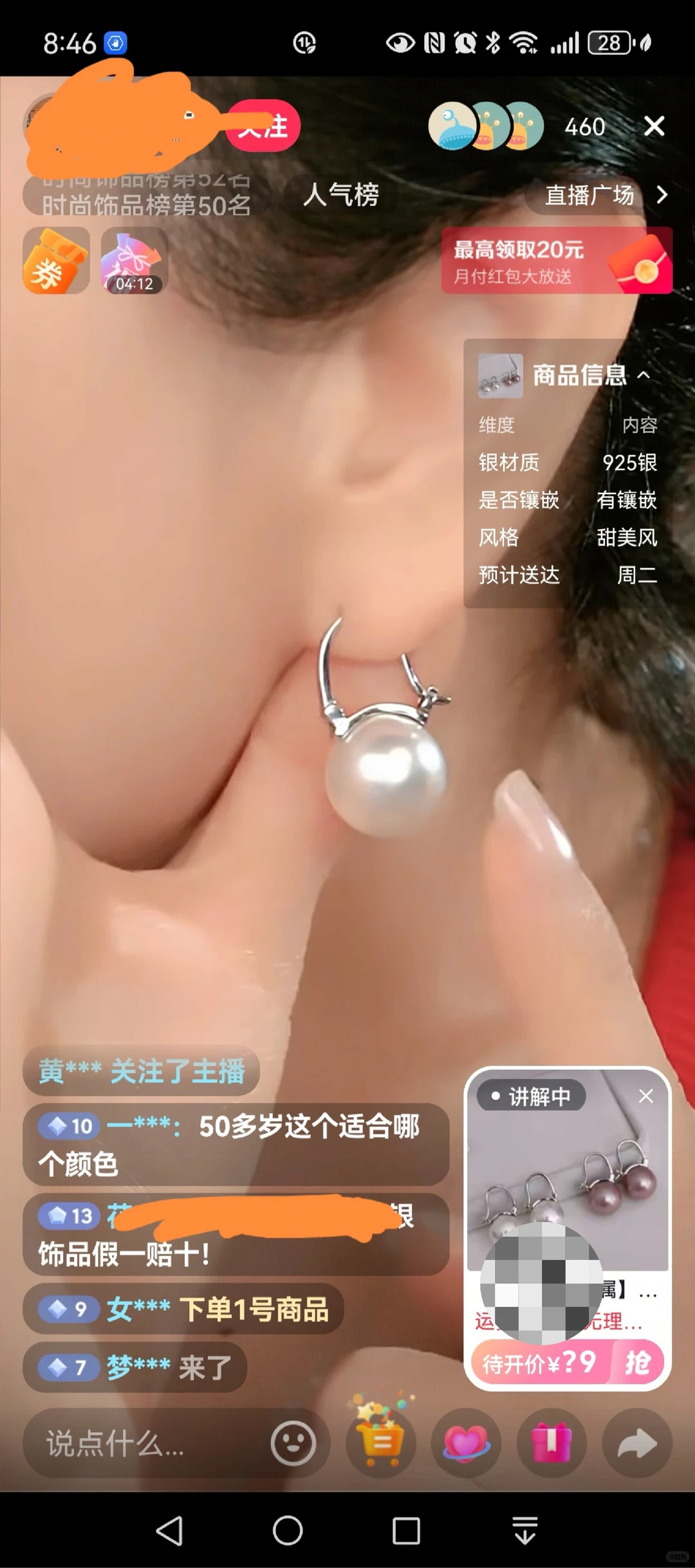
Instead of traditional street stalls or private chat groups, the ring heavily relied on livestreams to distribute fakes, tapping into China's vast live-commerce ecosystem. This modern distribution method allows high-volume, fast-moving sales, making enforcement harder for authorities. For overseas buyers, this shift underscores the importance of verifying the authenticity of jewelry sourced through online platforms, as counterfeiters exploit the trust and immediacy of real-time sales.
Impact on luxury brands and sourcing
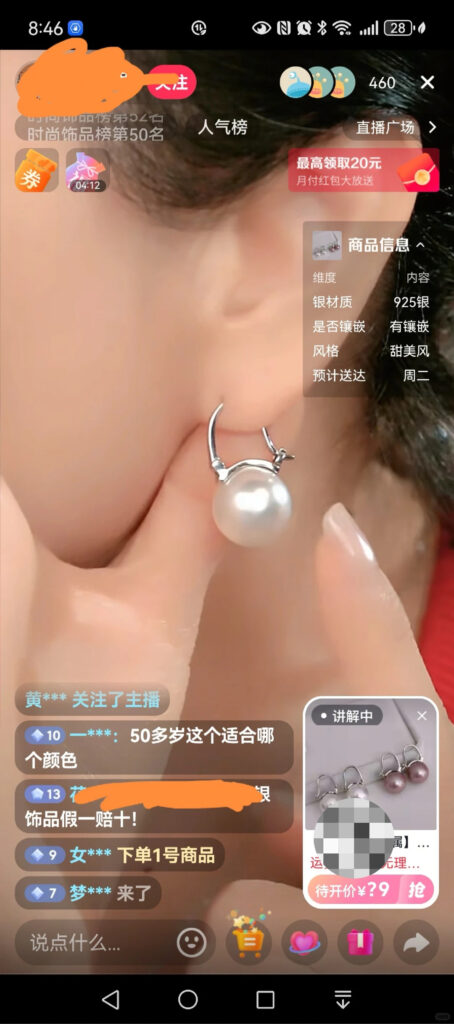
For luxury houses like Richemont and LVMH, industrialized counterfeiting erodes exclusivity and pricing power, while livestream-based sales blur lines between legitimate and illicit channels. China remains a critical market for these brands, but cases like this highlight the need for tighter authentication, supply-chain traceability, and proactive monitoring of fast-moving content platforms. Jewelry buyers should prioritize suppliers with transparent sourcing and certification processes.
Compliance and logistics signals
The bust reflects Beijing's continued emphasis on intellectual-property enforcement, particularly in sectors tied to consumer confidence and international trade. While authorities did not release full details on arrests or provinces involved, the reported scale suggests a coordinated, long-running effort. As China's luxury market evolves, authenticity becomes a key selling point, and buyers should expect increased scrutiny on counterfeit goods, potentially affecting logistics and customs clearance for jewelry shipments.
What buyers should watch
With the market flooded with convincing fakes, reassurance will become part of the product. For overseas jewelry buyers, this means trust is as valuable as design. Sourcing from verified OEM/ODM partners, requesting third-party quality testing, and monitoring platform governance are essential steps. Livestream-based sales channels require extra due diligence to avoid counterfeit risks, especially for sterling silver, gold-plated brass, and branded jewelry sets.
Source: Read the original report | Published: November 18, 2025