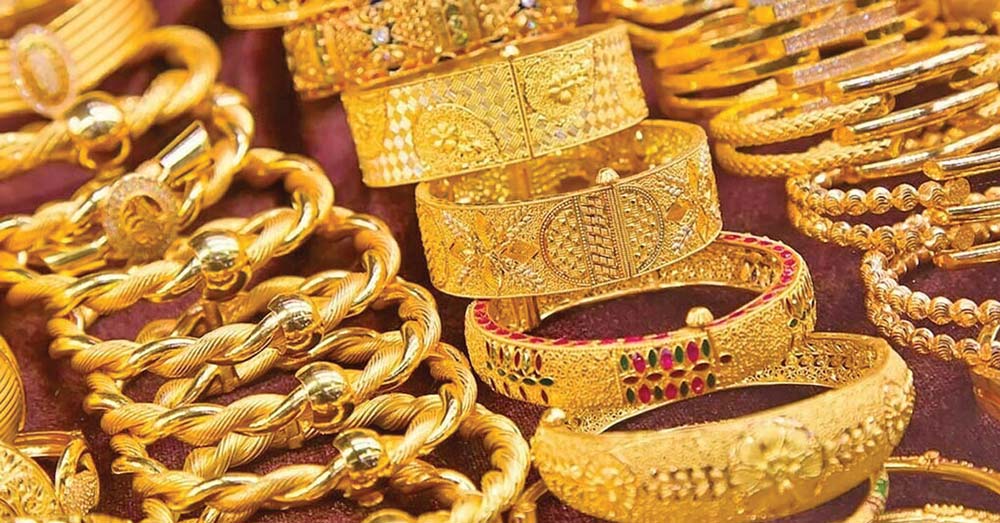
Nepal's gold price jumped by NPR 20,500 per tola on June 1, 2026, after the government doubled customs duty on gold imports from 10% to 20% in the new budget. The move, effective immediately, raises the cost of gold for importers and consumers, signaling tighter margins for jewelry buyers sourcing from Nepal or competing in South Asian markets.
Customs duty hike drives price spike
The Federation of Nepal Gold and Silver Dealers' Association (FENEGOSIDA) reported gold trading at NPR 311,100 per tola on Sunday, up from NPR 290,600 on Friday. Senior Vice-President Diyesh Ratna Shakya attributed the surge to the government's decision to raise customs duty from 10% to 20%, effective the day after the budget announcement on May 30.
Budget details and tax changes
Finance Minister Dr. Swarnim Wagle presented the budget for fiscal year 2026/27, doubling customs duty on gold imports to boost revenue and curb luxury consumption. The budget also scrapped a 2% luxury tax on gold and a 13% VAT on diamonds, which had been imposed a year earlier. The revised tax structure applies immediately, prompting market adjustments.
International vs. domestic price divergence
While international gold prices rose only marginally by USD 29 per ounce to USD 4,540, the domestic surge was driven entirely by the higher import duty. Gold expert Tej Ratna Shakya noted that customs duty on a tola of gold now stands at around NPR 52,000 under the 20% rate, significantly impacting landed costs.
Silver prices also rise
Silver prices followed the same trend, increasing by NPR 305 per tola to NPR 5,345 on Sunday, compared to NPR 5,040 on Friday. The policy change affects both precious metals, raising input costs for jewelry manufacturers and traders.
What buyers should watch
Importers and distributors sourcing from Nepal should monitor the immediate cost impact, as the customs hike may reduce consumer demand and shift purchasing patterns. The government previously cut customs duty from 20% to 10% about 18 months ago when Nepal's gold prices exceeded India's. Any future policy reversal could affect pricing stability. Buyers should also note that the luxury tax scrapping will only take effect at the start of the next fiscal year, leaving consumers bearing both the higher duty and existing taxes for now.
Source: Read the original report | Published: June 01, 2026