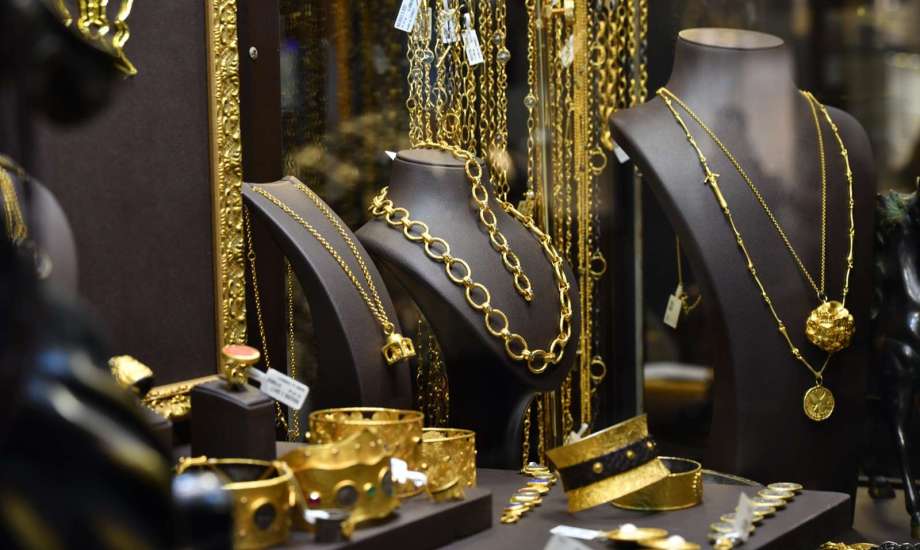
Gold prices in Egypt fell by EGP 290 per gram (4.3%) last week, driven by a stronger U.S. dollar after better-than-expected U.S. employment data, which reinforced expectations of prolonged high interest rates. The decline, which brought 21-karat gold to EGP 6,475 per gram, sparked a surge in local demand for bullion and jewelry, particularly small-weight bars, as consumers viewed the correction as a buying opportunity. For overseas jewelry buyers, this signals shifting consumer behavior in a key market and potential supply-chain adjustments for gold products.
Price movement and market context
Gold prices in Egypt declined sharply during the week ending May 2026, with 21-karat gold dropping from EGP 6,765 to EGP 6,475 per gram, its lowest since February 5. Globally, gold fell by $212 per ounce, closing at $4,328, nearly erasing all year-to-date gains. The 24-karat and 18-karat variants settled at EGP 7,400 and EGP 5,550 per gram, respectively, while the gold sovereign reached EGP 51,800. The sell-off followed stronger U.S. employment data—172,000 jobs added in May—which boosted the dollar and Treasury yields, reducing expectations for near-term interest-rate cuts.
Demand surge and product shortages
Lower prices drove a broad return of Egyptian consumers to the market, with demand for gold bullion and jewelry strengthening over recent days. Marsad Al Dahab reported a noticeable shortage of small-weight gold bars, particularly quarter-gram, half-gram, and two-gram products, as consumers sought affordable savings instruments amid declining purchasing power and elevated living costs. Jewelry sales also showed signs of improvement after a prolonged slowdown, contributing to greater optimism among traders and manufacturers.
Investment demand dominates

According to World Gold Council data cited in the report, Egyptian demand for gold bars and coins reached 5.7 tonnes in Q1 2026, compared with 5.2 tonnes for gold jewelry, reflecting sustained investment demand. Globally, investment demand for gold bars and coins hit 474 tonnes in Q1 2026, a 42% year-on-year increase and the second-highest quarterly level on record. This global shift toward investment-oriented gold products is mirrored in Egypt, where small-weight bars are increasingly viewed as a practical savings tool.
Compliance and logistics signals
The widening gap between local and international gold prices—approximately EGP 190 per gram—reflects strong physical demand in Egypt and cautious inventory pricing by traders and manufacturers following extreme volatility since the start of the year. The report noted that severe price swings have increased inventory-management risks, prompting the sector to adopt more conservative pricing and liquidity-management strategies. For overseas buyers, this may affect lead times and pricing for gold jewelry and bullion sourced from Egypt.
What buyers should watch
Overseas importers and distributors should monitor Egypt's gold demand trends, as the recovery in jewelry sales contrasts with a global decline in gold jewelry demand to its lowest since 2020. The popularity of small-weight bars may influence product mix strategies for private-label brands and trading companies targeting Egyptian consumers. Additionally, the Federal Reserve's interest-rate stance and U.S. labor data will continue to drive global gold price volatility, impacting sourcing costs for gold-plated brass, sterling silver, and other jewelry materials.
Source: Read the original report | Published: June 07, 2026