Editor’s Note
This article reports on a new EU agreement to regulate the import of conflict minerals, a significant step toward curbing the financing of armed conflicts through supply chains.
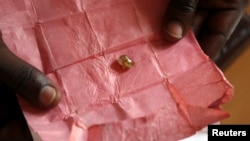
After a year of negotiations, the European Union’s institutions have reached an agreement to regulate the import of “conflict minerals,” which help finance armed conflicts in Africa.
The future European regulation will be binding for EU importing companies at the beginning of the production chain, including smelters and refineries. Only companies importing small volumes will be exempt.
According to the agreement reached between the Commission, member states, and the European Parliament, these companies will have to ensure and guarantee that there is no link between their supply chain and armed conflicts.
The targeted minerals – tungsten, tin, tantalum, and gold – are essential for the production of everyday items such as mobile phones, computers, refrigerators, and light bulbs. They are mainly imported from Africa, particularly the Democratic Republic of Congo and the Great Lakes region, where armed groups are fighting for control of mines.
The European Parliament had called for binding legislation to prevent the import of “conflict minerals.”
In addition, the Commission will implement a series of voluntary measures, including audit tools, for companies at the end of the chain that use the minerals as components in the products they manufacture.
A review clause provides for imposing the same binding rules on them as on importers, smelters, and refineries located upstream in the supply chain, if they do not show good faith after two years, the Socialist group in the European Parliament highlighted.
Final adoption of the measures is expected in the coming months.