Editor’s Note
This article highlights the alarming decline of Madagascar’s iconic ring-tailed lemurs, driven by hunting and habitat destruction. Despite their adaptability and cultural prominence, these primates face imminent threats that demand urgent conservation attention.
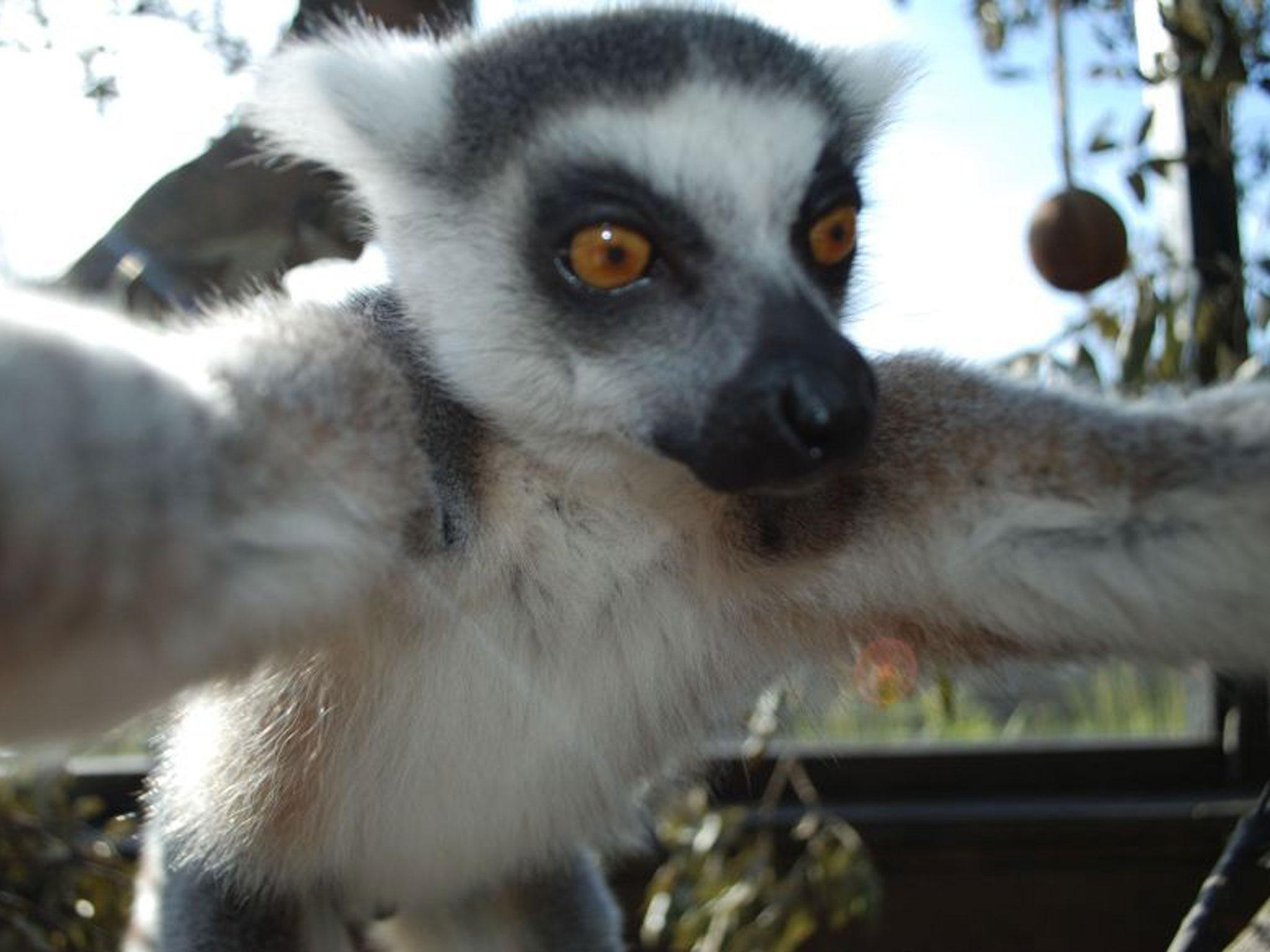
The ring-tailed lemur of Madagascar is “disappearing right under our noses” as the iconic animal is hunted and trapped to extinction and its forest home destroyed by people hunting for sapphires.
Lemurs are the most threatened group of vertebrates on the planet but it was thought the resourceful ring-tailed species – which featured in the hit cartoon film series Madagascar and the BBC’s recent Planet Earth II documentary – would be the last to die out.
However, despite their ability to survive in some of the harshest environments on the Indian Ocean island, they have been mostly reduced to small groups, researchers warned in a paper called Going, Going Gone: Is the Iconic Ring-tailed Lemur Headed for Imminent Extirpation? in the journal Primate Conservation.
Populations of more than 200 were found in just three places, with 12 other groups of 30 animals or less. At another 15 sites, they had either died out or were in danger of doing so. In total there are now believed to be less than 2,500 individuals.
One of the researchers, Professor Michelle Sauther, who has studied the animal for 30 years, said:

The plight of the ring-tails suggests the other lemur species will also be struggling.
One threat to lemurs is the creation of open-cast sapphire mines that have drawn in thousands of people in search of their fortunes, on an island where 90 per cent of people live on less than $2 (about £1.60) a day.
This has led to the destruction of significant areas of the lemurs’ forest habitat and an influx of people who need to be fed, increasing hunting for bushmeat. Lemurs are also captured and sold for an illegal pet trade, boosted by the popularity of the DreamWorks’ films.
Fellow researcher Professor Lisa Gould, of the University of Victoria, said many areas that once contained important populations of ring-tailed lemurs now had none.