Editor’s Note
This article examines the shifting fortunes of New York’s historic Diamond District, where traditional jewelry retail is contracting amid falling prices and changing consumer tastes. The trend highlights broader challenges for legacy industries in an evolving luxury market.
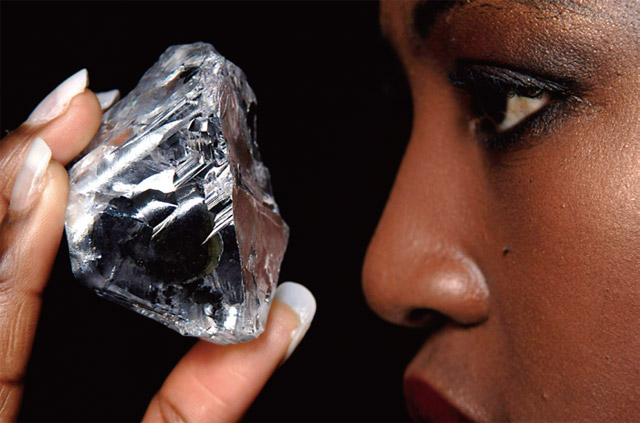 Diamond District’s Decline
The 47th Street in Midtown Manhattan, New York, is losing its luster. The diamond shops that once occupied 5-6 floors of the buildings are now shrinking, with diamond prices plummeting. The decline of the jewelry industry, coupled with the rise of technology luxury goods, has pushed diamond consumption to the back burner, leading to a significant downturn in this traditional industry.
A shopkeeper who has been on 47th Street for five years sighs as he sees the declining foot traffic. The 47th Street, known as New York’s ‘Diamond District’, is where about half of the world’s diamonds are traded. The street, which used to be bustling with diamond traders and financial transactions, is now quiet.
The sign “Looking for Diamonds” is still visible in shop windows. A 1-carat round brilliant cut diamond that used to sell for around $8,000 can now be bought for much less. A seller from India even says, “I can give you a discount of $1,000.” After some bargaining, the price drops even further.
The global diamond market has been in a downturn for the past six years. The combination of oversupply, sluggish demand, and the impact of lab-grown diamonds has hit the traditional diamond industry hard. According to data from the New York Diamond District, the number of diamond polishing shops has decreased to 242 (down 27%) from its peak. This is a significant drop from 2011 (241 shops).
The fundamental reason is the decline in diamond demand. Diamond demand is closely linked to price. In the global market, the average price per carat for polished diamonds has fallen from $8,100 in 2014 to around $7,000, an 8% drop. In the June auction in Botswana, 1,109 carats of diamonds remained unsold. This phenomenon is attributed to weak demand from major consumer countries, with the final price settling at $6,100 (approx. 7.1 million KRW). The Wall Street Journal reported, “The price of rough diamonds from Botswana fell below $1,500 per carat.”
RBC Capital Markets analyst noted, “The diamond industry’s market share is being eroded in key markets.” In 2015, the global diamond jewelry market was valued at $79 billion, but has since contracted by about 6%. The market share of lab-grown diamonds has increased by 30%.
Lab-grown diamonds, which are chemically and physically identical to natural diamonds, are gaining popularity among younger generations who value ethical sourcing and environmental sustainability. Lab-grown diamonds are produced in controlled environments, making them a more predictable and ethical choice for consumers.
The shift in consumer spending towards technology luxury goods like smartphones and smartwatches is another factor suppressing diamond demand. As millennials and Gen Z prioritize experiences and tech gadgets over traditional luxury items, the jewelry industry faces challenges. The rise of experiential consumption and spending on travel and dining further diverts funds away from diamond purchases.
ABN AMRO’s recent campaign, “No-thing is Forever,” subtly hints that “diamond eternity is not forever.”
The 603-carat diamond discovered in 2006, named “Lesotho Promise,” sold for $12.36 million (approx. 13.8 billion KRW) in Botswana. The New York Diamond District, which once handled such legendary stones, is now transforming. To survive, diamond merchants are diversifying. Some shops now feature LED displays and offer custom design services, targeting a broader clientele beyond traditional jewelry.
Merchants are also moving to the 48th Street, focusing on high-end watch and jewelry repairs. Luxury brand stores like Harry Winston and Cartier occupy prime locations on 47th and 46th Streets, attracting a different crowd. These stores cater to ultra-high-net-worth individuals, including residents of nearby super-tall luxury condominiums like ‘One 57’.
New York analysts say, “Luxury brand stores are turning the Diamond District into a high-end shopping destination,” and “In this changing landscape, both traditional jewelers and new entrants need to find their niche.” The composition of Diamond District tenants is changing, with about one-third being jewelers, one-third watch and accessory retailers, and the rest comprising various other businesses.
To counter the downturn, the diamond industry is launching new marketing campaigns emphasizing rarity and authenticity. The Diamond Producers Association (DPA) has initiated the “Real is Rare” campaign, targeting younger consumers with messages about natural diamond’s unique value and emotional significance.
Ultimately, the fate of the diamond industry depends on the New York market’s adaptation. The industry must navigate changing consumer preferences and competitive pressures.
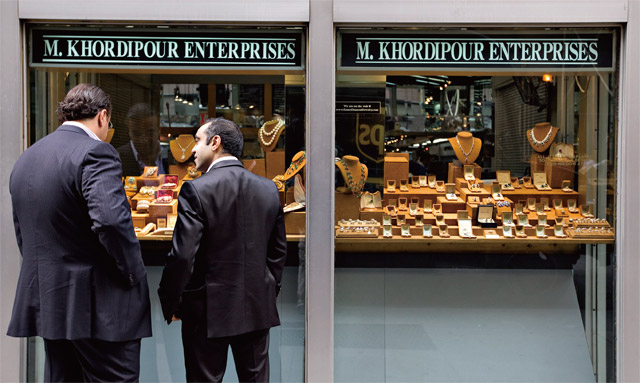 ë´ì 맨íí¼ 47ë²ê°ì í ë³´ìì ììì ë ë¨ì±ì´ ëí를 ëëê³ ìë¤. 47ë²ê° 5~6ë² ê±°ë¦¬ë ë³´ììì´ ëª°ë ¤ìì´ ë¤ì´ì몬ë ì§êµ¬ë¼ê³ ë¶ë¦°ë¤. ë¬ë¬ ì¸ì 기조, ëª
í í¸ë ë ë³í ë±ì¼ë¡ ë¤ì´ì몬ë ìì¥ì´ 침체ëë©´ì ì´ ê³³ì ìµê·¼ ëì¬ ì¬ê°ë° ì기ì ëª°ë ¸ë¤. <ì¬ì§ : ë¸ë£¸ë²ê·¸>
ë´ì 맨íí¼ 47ë²ê°ì í ë³´ìì ììì ë ë¨ì±ì´ ëí를 ëëê³ ìë¤. 47ë²ê° 5~6ë² ê±°ë¦¬ë ë³´ììì´ ëª°ë ¤ìì´ ë¤ì´ì몬ë ì§êµ¬ë¼ê³ ë¶ë¦°ë¤. ë¬ë¬ ì¸ì 기조, ëª
í í¸ë ë ë³í ë±ì¼ë¡ ë¤ì´ì몬ë ìì¥ì´ 침체ëë©´ì ì´ ê³³ì ìµê·¼ ëì¬ ì¬ê°ë° ì기ì ëª°ë ¸ë¤. <ì¬ì§ : ë¸ë£¸ë²ê·¸>