Editor’s Note
This article reports on a significant antitrust ruling in Peru, where authorities have sanctioned two major tissue paper manufacturers for operating a price-fixing cartel over nearly a decade. The case underscores ongoing regulatory efforts to combat anti-competitive practices in consumer markets.

The Institute for the Defense of Competition and Intellectual Property (Indecopi) has, in the first instance, dismantled and sanctioned the toilet paper cartel formed by the companies Kimberly Clark Perú and Protisa, owners of the Suave and Elite brands, for price-fixing between 2005 and 2014. The regulatory body concluded the sanctioning process it initiated in December 2015 against Productos Tissue del Perú S.A. (Protisa), a subsidiary of the Chilean company CMPC, and the North American company Kimberly Clark Perú.
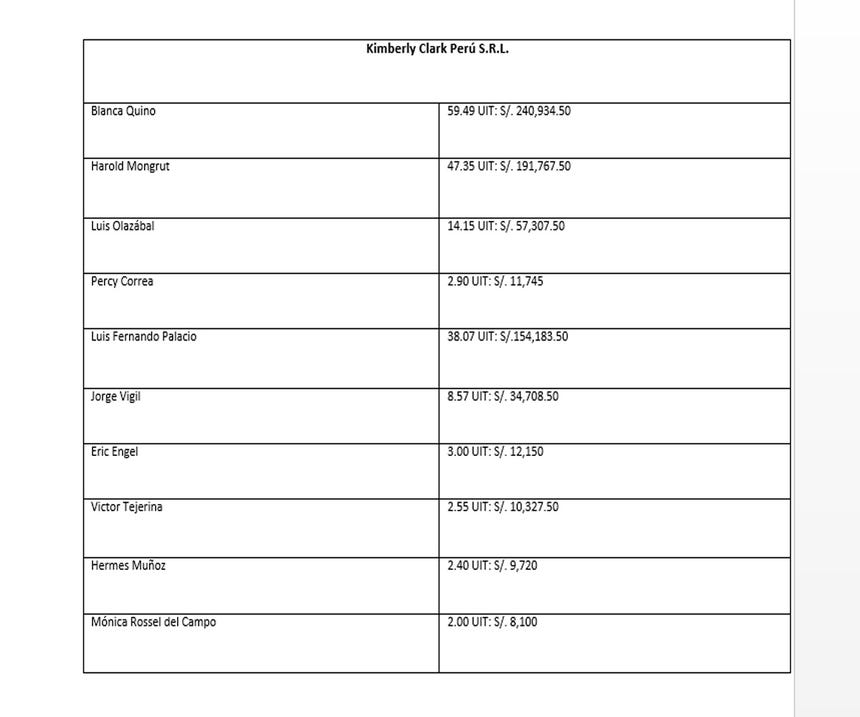
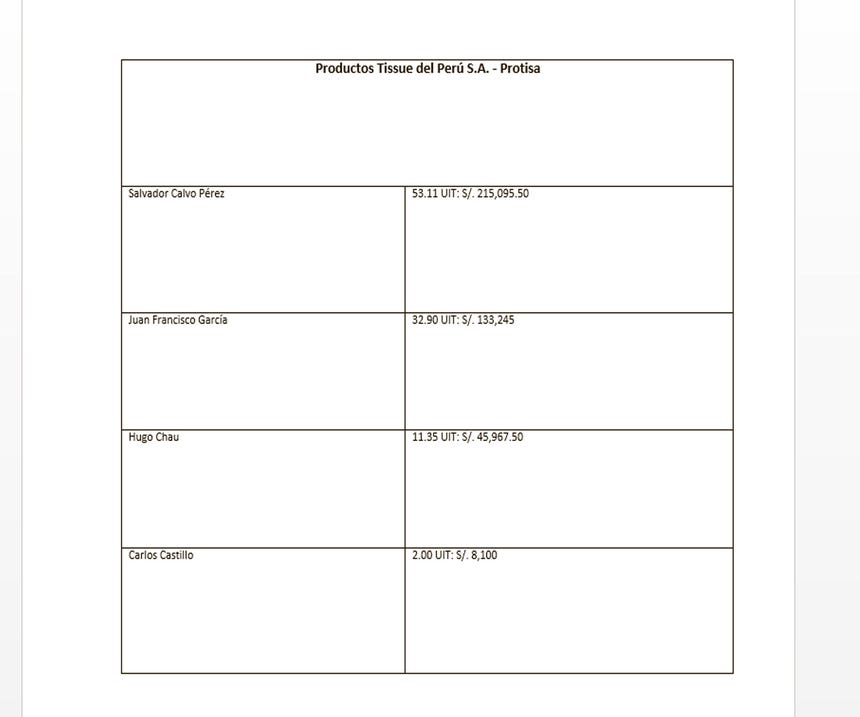
The fines imposed on the companies Kimberly Clark and Protisa amount to S/ 171,659,817 and S/ 104,191,434, respectively. The sanction also includes 14 individuals. These companies coordinated prices and other commercial conditions.
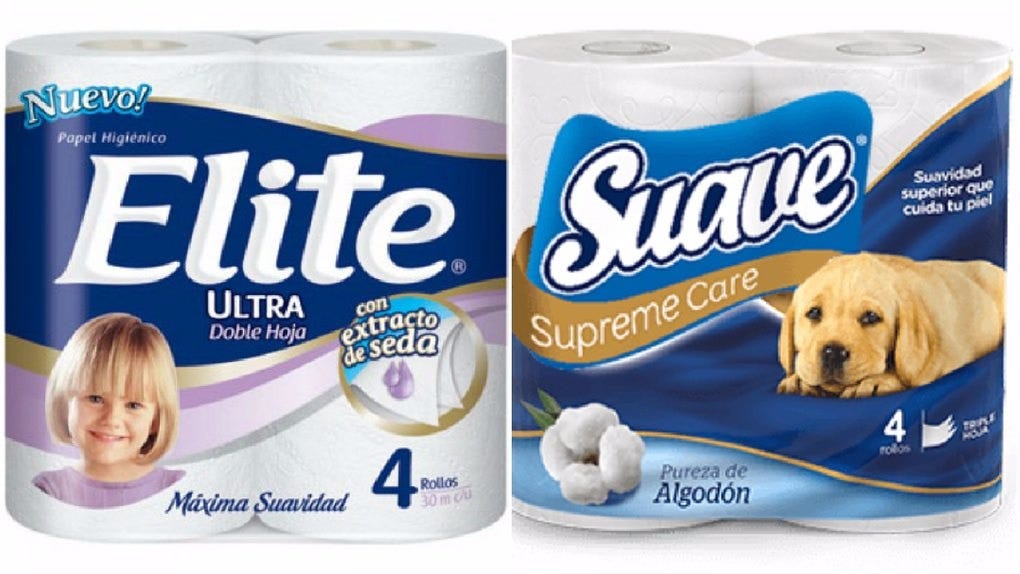
Kimberly Clark and Protisa controlled 88% of the toilet paper market in Peru. The same anti-competitive practices by these firms were also detected in Chile and Colombia.
The cartel imposed price increases on its clients (distributors, wholesalers, supermarkets, etc.), in some cases of more than 20%, during the mentioned period. This directly affected competition conditions in the toilet paper and other tissue paper products market and, on some occasions, caused increases in retail prices.
The sanctioned cartel operated secretly through meetings in hotel rooms or cafes between general managers and other officials from both companies to determine price increases to be implemented. They also used telephone contacts.
The evidence identified by Indecopi during the investigation includes emails and electronic records obtained during inspection visits to the companies; testimonies of admission of the infringement by the participants; an agenda from the secretary of the former general manager of Protisa with records of calls and meetings; and hotel invoices for the meetings. This evidence was contrasted with the economic evidence of the companies’ price behavior and other commercial conditions during the investigation period.
The authority has ordered Kimberly Clark and Protisa to develop a compliance program for free competition rules to prevent them from repeating these practices that affect markets and consumers.
The compliance program will last for 5 years and will involve, among other actions, the companies contracting annual training on free competition regulations for their employees and managers, who must take an exam to assess their level of knowledge of these regulations.
Each company must hire a compliance officer responsible for facilitating adherence to free competition regulations. This compliance officer must have a high level of knowledge of free competition and cannot be related to the companies’ executives or have been a lawyer, advisor, or legal representative for them in the last 5 years.
If the Technical Secretariat of the Commission for the Defense of Free Competition considers that the designated officer is not properly fulfilling their functions, it may request their removal and a new one must be appointed.
The toilet paper and other tissue products market in Peru represents annual sales of more than 800 million soles per year.
It should be noted that the decision issued by the Commission does not exhaust the administrative route and can be appealed before the Specialized Chamber for the Defense of Competition of the Indecopi Tribunal, the last administrative instance.