Editor’s Note
This article highlights a persistent and costly scam targeting individuals through fraudulent calls requesting Social Security numbers. As government impersonation schemes continue to evolve, we urge readers to remain vigilant and never share personal information over the phone unless they have initiated the call to a verified number.
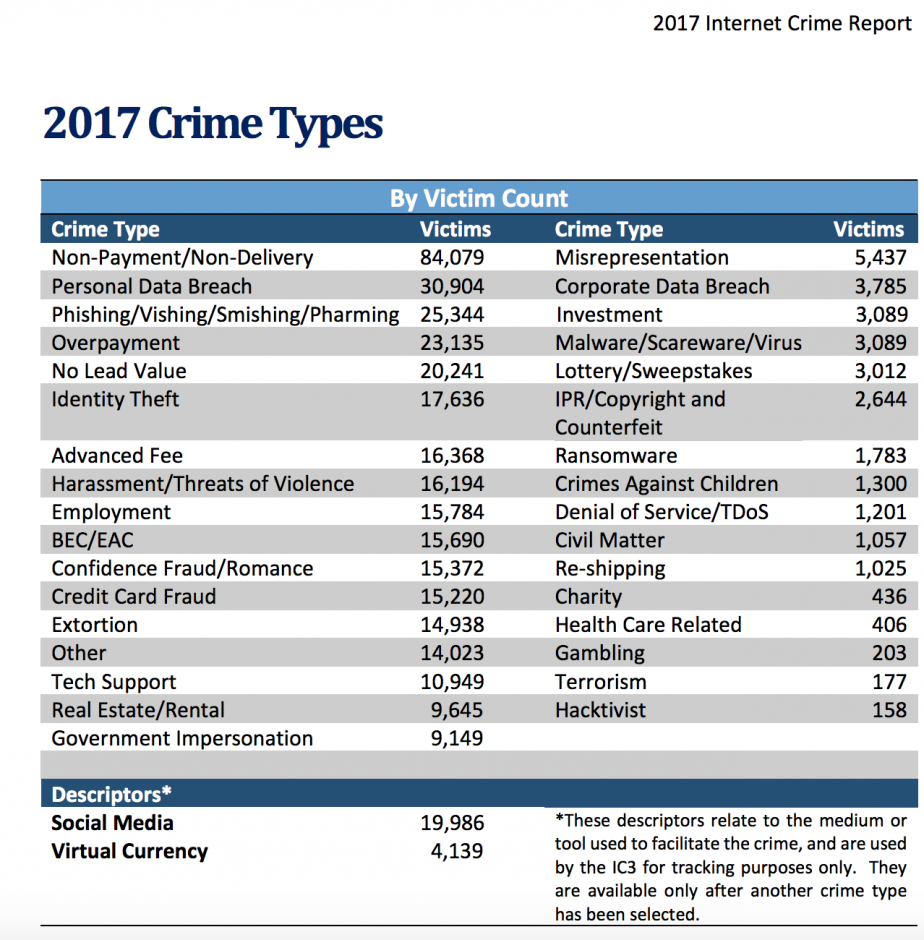
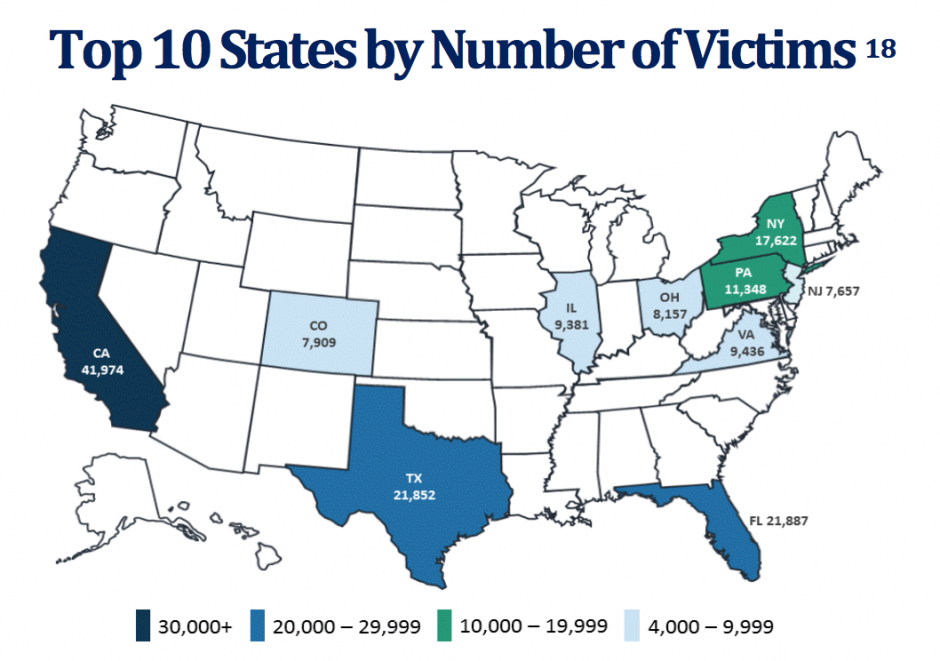
A new social security scam is hitting the country, including Central New York. According to the FBI, New York state ranked fourth in internet crime victims in 2017, the most recent data available. Nearly 10,000 government impersonation crimes were reported, including impersonating social security officers, costing victims more than 12 million dollars in 2017.
These calls have been happening all over the country, especially in New York. An employee of the Social Security Administration in Syracuse reported receiving such calls himself.
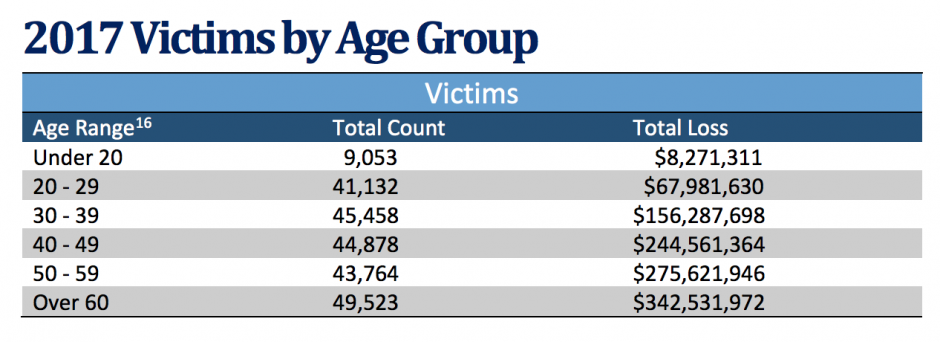
This is part of a recent trend of scam calls targeting people to steal their social security numbers. Marci Erlebacher, director of the Syracuse Jewish Community Center, notes that senior citizens are particularly vulnerable.
While blocking the number is one recommendation, some older community members use landlines without that option. The JCC holds monthly lunch-and-learns to inform seniors, with social security being a recurring topic.
— Cindy Stein, Adult Programming Coordinator
Erlebacher and Stein emphasize that this could affect anyone, not just the elderly. The real Social Security Administration advises monitoring your credit for unauthorized transactions, which may indicate a stolen social security number. Only give your social security number on the phone if you initiate the call, not if someone calls you.
Marci Erlebacher received a call from an Arizona number while at an airport. The caller claimed to be from Social Security and threatened legal action.
She received multiple similar calls, with one ending the message with “have a blessed day,” making it clear it was a scam.
These calls are part of a nationwide trend where scammers impersonate authority agencies to steal personal information.

In 2017, 30,904 people reported a “Personal Data Breach,” the second-most-common type of reported scam incident. “Phishing/Vishing/Smishing/Pharming” was the third-most-reported scam with 25,344 victims, and “Identity Theft” was sixth with 17,636 reported victims.
New York residents face increased risk, as the state had the fourth-most scam victims in the country in 2017, behind only California, Florida, and Texas.