Editor’s Note
This article summarizes a recent survey by D.Tech Co., Ltd. on diamond purchasing behavior and awareness among Japanese adults aged 30 and above. The findings highlight evolving consumer perspectives, particularly regarding lab-grown diamonds.
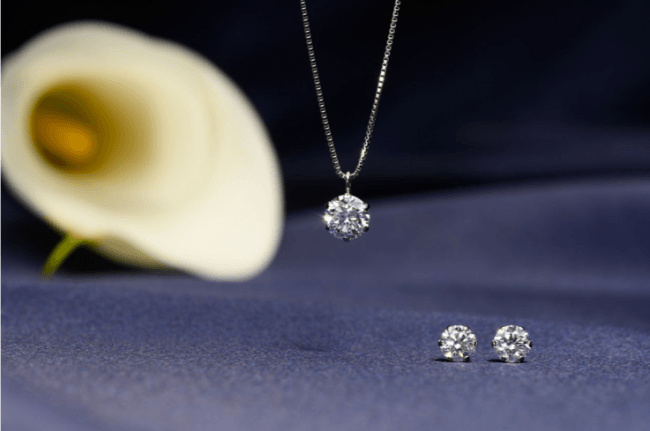
D.Tech Co., Ltd., which sells lab-grown diamonds under the brand
Survey Topic: Awareness Survey on Diamonds
Valid Responses: 110 men and women aged 30 and above nationwide
Survey Period: May 10, 2019 – May 17, 2019
When asked, “Q. Have you ever purchased diamond jewelry?”, 49.1% answered “Yes” and 50.9% answered “No”, resulting in an even split.
When those who answered “Yes” were asked about their reason for purchase, “to wear myself” was the most common at 63.0%, compared to 42.6% for “gift”. This surprisingly revealed that many people purchase it as a reward for themselves.
When asked, “Q. Have you ever considered purchasing jewelry, even once?”, 66.1% answered “No”, indicating that more than half have not even considered purchasing jewelry, meaning they are not interested in jewelry itself.
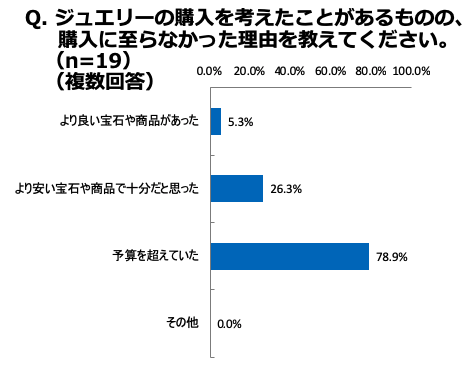
On the other hand, when asked, “Q. What was the reason you considered purchasing jewelry but did not proceed to buy?”, 78.9% answered “It exceeded my budget.”
Diamonds generally have a globally unified grading standard and are traded at high prices. The perception of diamonds as beautiful and luxurious gems worldwide is partly due to this. Their beauty is formed over billions of years through a convergence of various miracles, and their rarity captivates many as “something special.” The high value attached to diamonds is considered proportional to their rarity.
Finally, when asked, “Q. Are you aware that there are diamonds referred to as lab-grown diamonds?”, the most common answer was “No” at 72.7%.
Although 2019 is said to be the “first year of lab-grown diamonds,” and they are gaining attention in the jewelry industry, market research suggests awareness is still low.
This survey allowed us to confirm raw opinions about diamonds, revealing that diamonds are still perceived as expensive and out of reach. In Japan, diamonds are often associated with uses like engagement rings, creating a strong image of being for “special occasions,” which seems to prevent them from being recognized as something to wear casually.
Meanwhile, lab-grown diamonds are now attracting attention from millennials with strong ethical inclinations and overseas celebrities. Additionally, the market is rapidly expanding, with De Beers, the world’s largest diamond company, entering the lab-grown diamond market in September last year. The negative aspects of natural diamonds, such as environmental impact from mining, are not present with lab-grown diamonds, as they can be produced without excavating land. Therefore, they are gaining attention as “earth-friendly diamonds” within efforts to achieve a society coexisting with nature (sustainability). Due to trends among ethically-minded millennials and accessible pricing, lab-grown diamonds are poised to revolutionize the jewelry industry as a new-era diamond for casual enjoyment.