Editor’s Note
This article examines the strategic acquisition of the historic Sewelô diamond by luxury conglomerate LVMH, exploring the rationale behind this high-profile investment in the world’s second-largest rough gemstone.
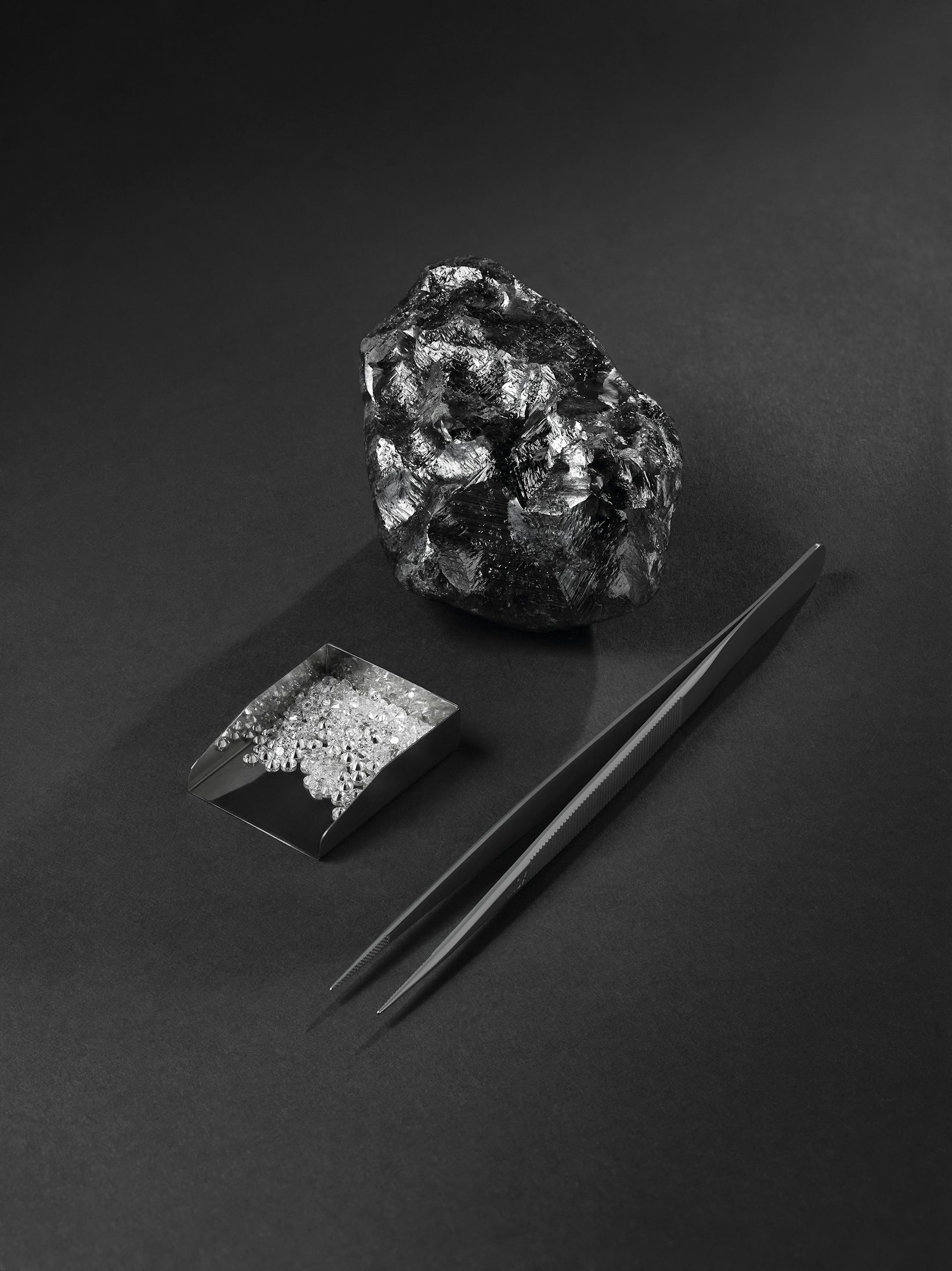
When the luxury group LVMH announced in January that it had purchased Sewelô, the world’s second-largest rough diamond at 1,758 carats (just behind the Cullinan at 3,106 carats), many questioned the reasoning behind this acquisition. Here is an analysis.
In January 2020, a rather unusual press release from the House of Louis Vuitton was sent to journalists worldwide. It announced the acquisition of a very large rough diamond, the Sewelô. A masterstroke. However, no one could have imagined that just two months later, in mid-March, the Coronavirus would reshape the world.
In the meantime, many hypotheses have been put forward. For Jeffrey Post, an expert at the prestigious Smithsonian Institution, anyone who buys a diamond of this kind immediately gains credibility. Yet, given the figures it boasts, the luxury giant hardly needs such confirmation. For the New York Times, Sewelô sends a clear message about LVMH’s intentions in high jewelry: not just to hold its place in the competition, but to lead this sector. Following the takeover of Bulgari, the group’s interest in this activity was reinforced by its recent $16.2 billion offer to acquire Tiffany. Even though discussions are ongoing between the two houses (terms could be revised, as LVMH’s board met on June 2 to assess the pandemic’s impact on Tiffany’s results), in the long term, the sector shows a strong growth rate. Branded products are far fewer than in fashion, and there is still considerable room to stimulate desire and creativity, the essential drivers of luxury consumption. This is only the beginning of the long story awaiting Sewelô, as it will have to wait 4 months in Antwerp to be divided into various carats before starting a new life.
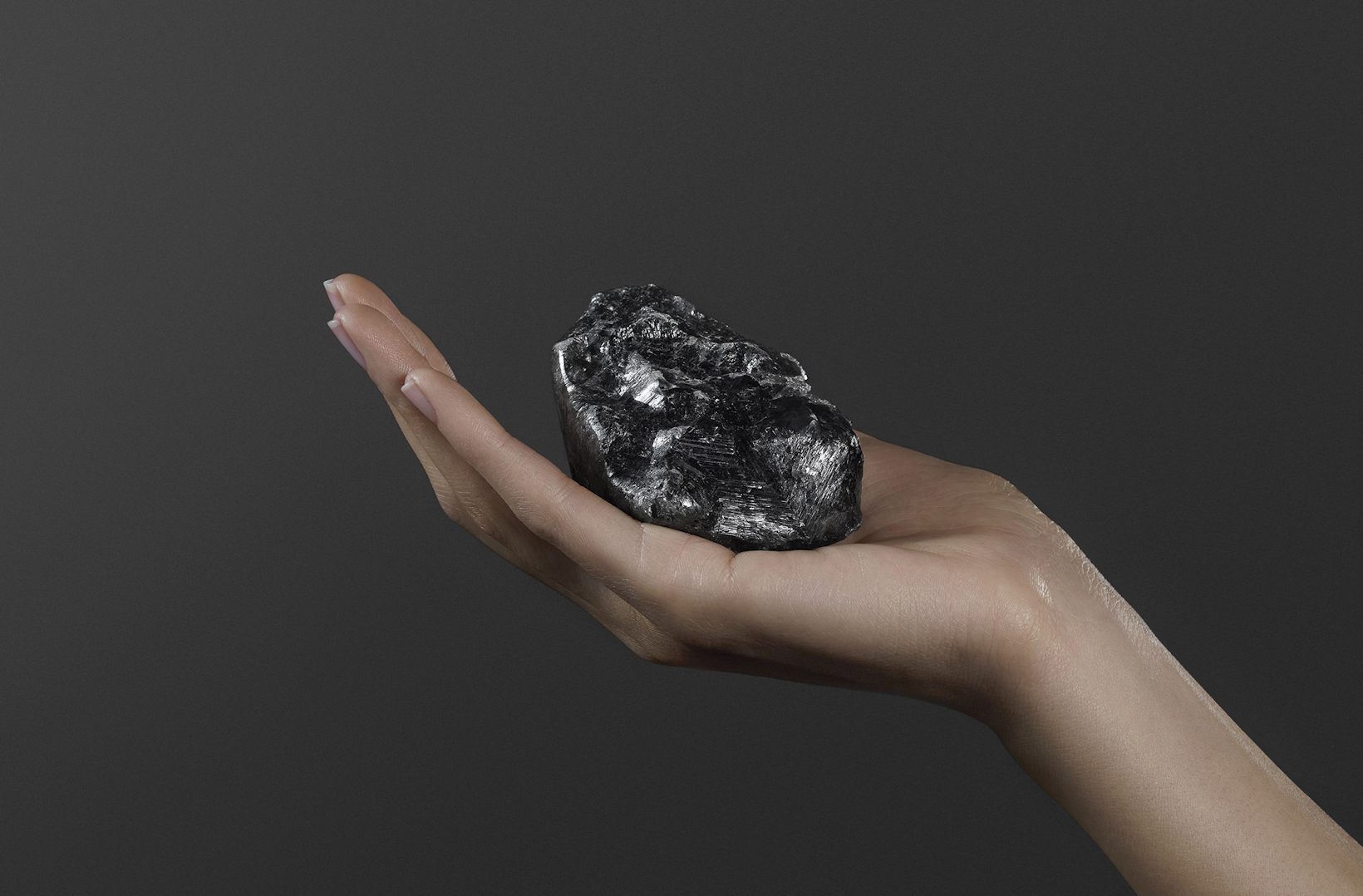
Inside, there could be a pure 891-carat diamond, as well as several stones ranging from 100 to 300 carats. Meanwhile, Michael Burke, CEO of Louis Vuitton, explained that the diamond will not be cut until a buyer is found. No other details have been revealed at this time, not even the sum paid, but some speculate it was around $60 million, while others mention even $100 million.
For Daniela Mascetti, President of Jewellery Europe at Sotheby’s, a choice with so many zeros is driven by the desire to possess something capable of capturing the imagination, something utterly unique, because in jewelry, it is rarity that makes the difference. And when asked why LVMH decided to invest in a significant diamond like Sewelô, Daniela Mascetti adds:
In short, the world of jewelry seems to offer opportunities that other sectors do not, and LVMH does not want to miss out. For Titti Curzio, Director of the Jewelry Department at the Cambi Auction House, it is a choice stemming from an image operation: