Editor’s Note
The luxury sector’s resilience in 2021 was remarkable, with its brand value surging by 34% to $237 billion. A key driver was the robust performance in Asian markets, particularly China, which offset declines in Europe and the U.S. This underscores the region’s pivotal role in the global economic recovery.
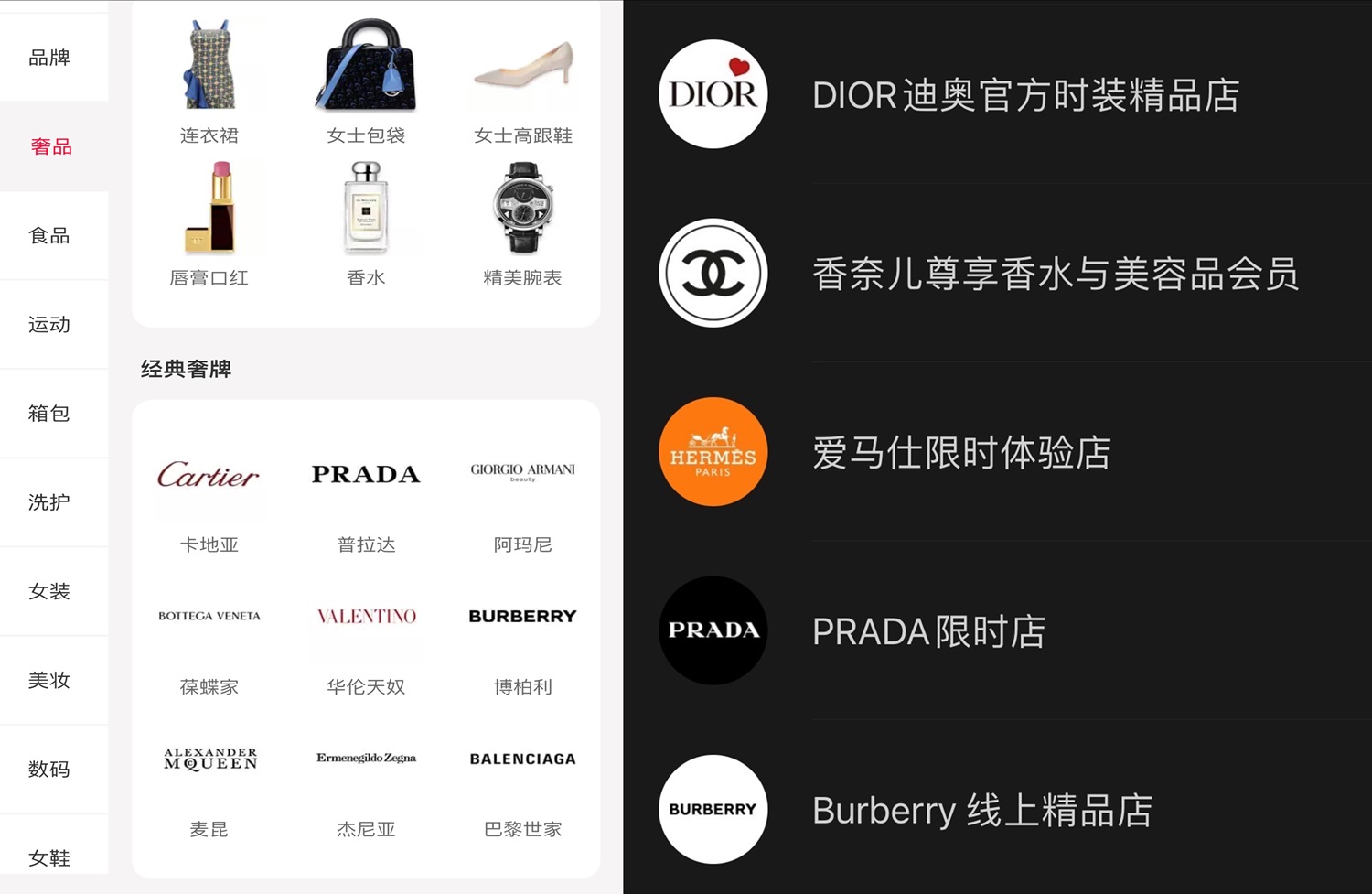
The luxury category performed exceptionally well in the 2021 BrandZ™ Top 100 Most Valuable Global Brands ranking. The ten listed brands achieved a total brand value of $237 billion, a 34% increase compared to the previous year. Regionally, China and other Asian markets have undoubtedly been powerful engines driving economic recovery. In the fourth quarter of 2020, LVMH’s revenue in Asia grew by 21%, while it declined by 24% in Europe and 2% in the US during the same period.
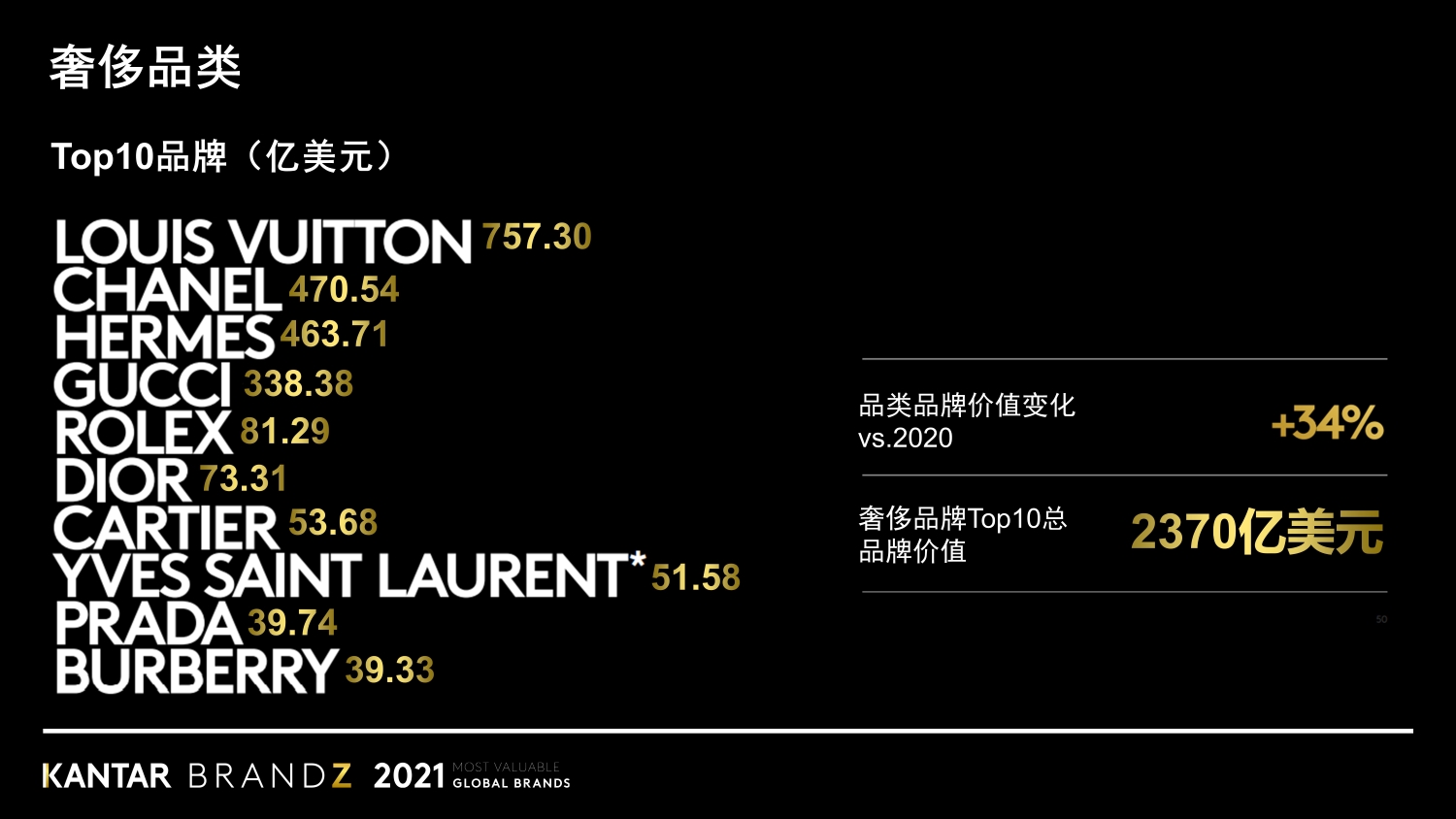
Luxury goods sales in China’s domestic market were more robust than ever in 2020. As online shopping becomes increasingly common, the cost for luxury brands lagging on e-commerce platforms will continue to rise. Fortunately, the Chinese market already possesses robust e-commerce platforms such as Tmall Luxury Pavilion and WeChat Mini Programs.
For the world’s top luxury brands, recovery means not only doubling down on investments in consumers with the strongest purchasing desire and the largest markets (particularly China); it also means adjusting brand marketing direction and strategy to focus on promoting the brand’s most valuable products, such as classic handbags, high-end jewelry, and heritage-level outerwear.
Luxury brand revenues plummeted in the first half of last year and rebounded in the second half. However, the brands that recovered the fastest and best were often those with strong traditional positioning. Hermès’ rapid recovery benefited from consumer demand for classic handbags like Birkin and Kelly, home goods, and jewelry, with the brand’s annual revenue declining by only 6%. Similarly, the best performers within the LVMH group were heritage brands like Dior and Louis Vuitton.
“Heritage” does not mean dullness; a portion of the luxury market is always driven by avant-garde fashion propositions. Kering’s Bottega Veneta continued its success in 2020 following its brand revival in 2019. Meanwhile, Dior and Louis Vuitton incorporated distinctive streetwear styles into their menswear collections, and Celine launched a series of new designs inspired by TikTok. Post-pandemic, work and daily wear will continue to trend towards more casual styles. Brands focused primarily on formal tailoring may struggle, while those proficient in luxury sportswear are likely to succeed.
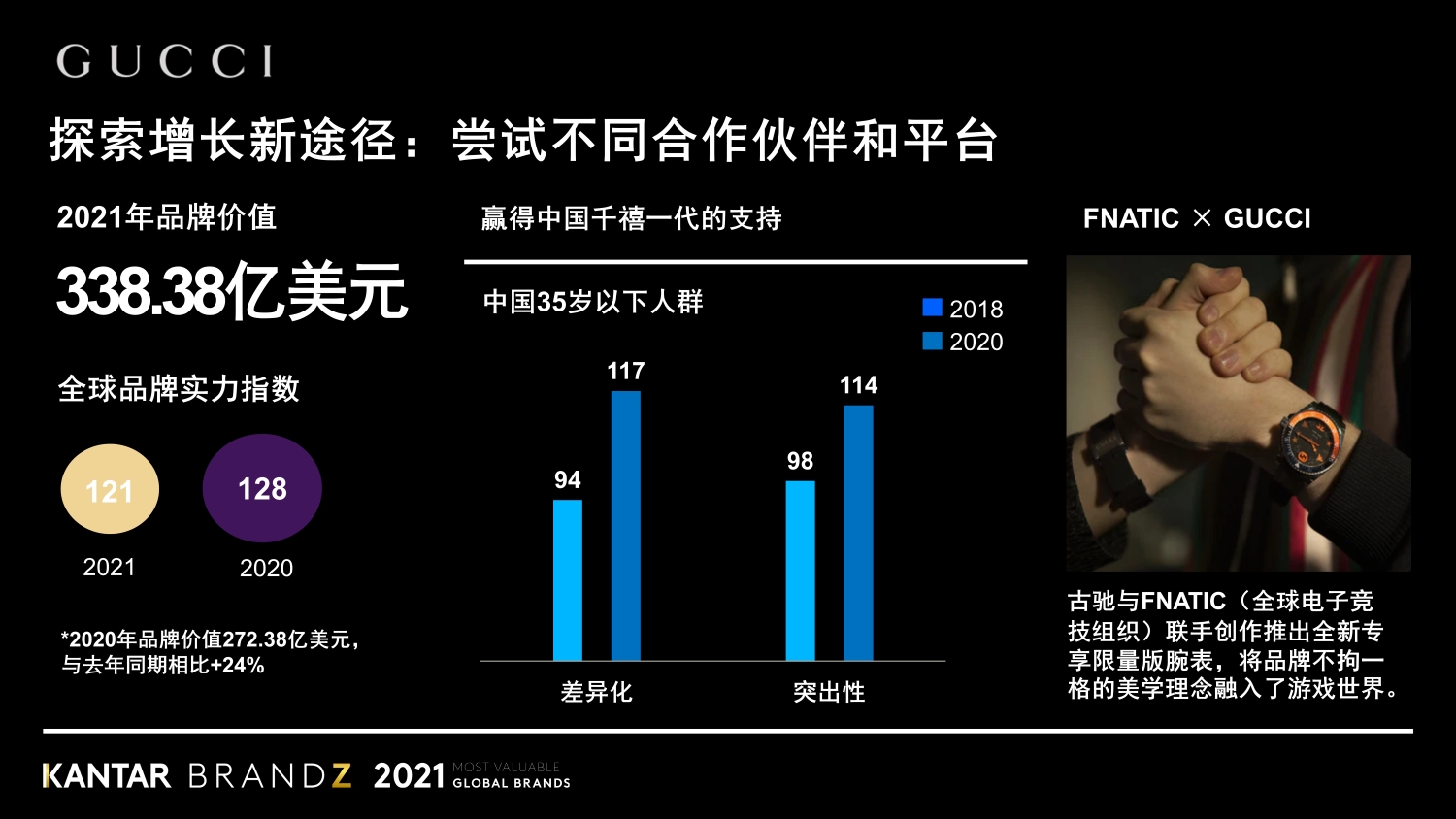
Having learned from the sharp revenue drop in 2020, luxury brands are now advocating for “price rebalancing”: brands like Gucci and Balenciaga have achieved astonishing growth by adopting eclectic, youth-targeted marketing strategies. This includes expanding into relatively lower-priced daily items like flip-flops, T-shirts, and sneakers.
Luxury brands are also striving to align with sustainability trends and can, in fact, achieve higher profits from doing so. Stella McCartney, Loewe, and Chloé have all created new collections by reusing discarded fabrics and leftover leather scraps. Burberry launched a program donating unused fabrics to fashion students. Prada expanded its “Re-Nylon” collection, transforming recycled ocean plastics and fishing nets into sources of high fashion.
As brands work to reduce resource waste, online luxury resale platforms have proliferated, offering both brands and consumers opportunities to profit from past-season goods. For example, Gucci established an official partnership with the US second-hand luxury consignment site The RealReal, and Alexander McQueen collaborated with the French online luxury resale platform Vestiaire Collective to provide official authentication for items on the partner platform.
Gaming and esports have flourished against the backdrop of the COVID-19 pandemic, providing brands with unique opportunities to engage with Gen Z “gamer” consumers. As highly cross-border strategies emerge in mature luxury markets like China, the US, Japan, and South Korea, major brands see “+ gaming” as an attractive method.
Industry giants have participated, making gaming collaborations ubiquitous—examples include Louis Vuitton and “League of Legends,” Valentino and “Animal Crossing,” and Burberry and “Honor of Kings.” Gaming platforms not only provide brands with cultural relevance and driving power but also allow for deeper consumer connections and offer gamers new ways to explore products.
1. **Master the Fusion of Old and New**
In the current environment, luxury brands need to find a balance between high-priced heritage classics and trendy design styles, making target consumers feel the brand is relevant to modern life. Balancing this fusion is not easy, but it can yield rich rewards.
2. **Emphasize Localized Thinking**
Global travel will eventually return to normal, which will be good news for luxury brands. In the future, brands should still work harder to attract and cultivate local consumers and tourists from around the world.
3. **Redefine the User Experience**
For those fortunate enough to be invited to fashion weeks, attending a brand’s runway show will bring their love for the brand to a peak. Brands need to consider how to use new technologies, combined with exquisite physical manuals and shelf displays, to cultivate stronger consumer enthusiasm and bring this excitement to more loyal customers.