Editor’s Note
This article examines the surprising resurgence of bag-in-box wines, a market segment that saw explosive growth during the 2020 lockdowns, temporarily reversing a longer-term trend toward maturity. It highlights how the pandemic shifted consumer habits, offering a snapshot of a resilient and adaptable industry.
Bag-in-box (BIB) wines experienced a significant upswing in 2020, largely due to lockdowns. This benefited rosés in particular, but also other wine colors and all formats.
The BIB segment, which had been steadily growing for about fifteen years, seemed to be reaching maturity, transitioning from double-digit growth in the 2000s to around 1% over the past three years.
A study by Smurfit Kappa and Wine Intelligence estimated this autumn that there were 3.7 million new consumers of BIB-packaged wines in France and the United Kingdom during the first half of 2020. The phenomenon can be explained by consumers’ foresight in limiting store visits and purchasing higher average baskets.
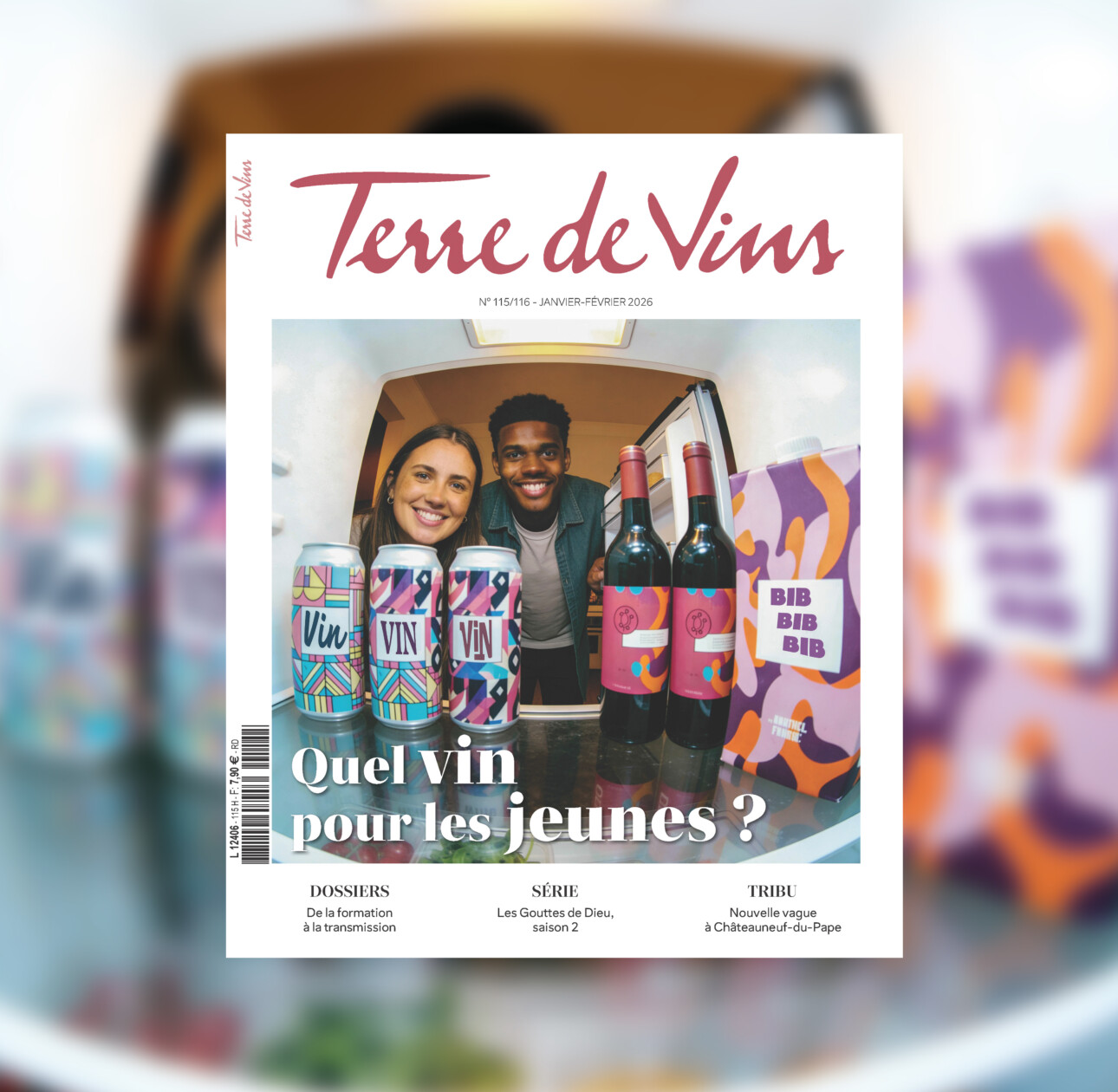
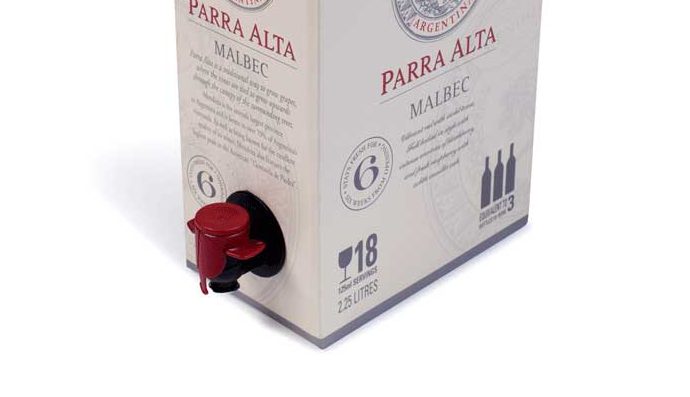
BIB also meets an economic interest that has been accentuated by price increases due to the Egalim law and volume availability issues after several small harvests. While 10-liter formats are mainly for restaurateurs, 3 and 5-liter formats are purchased in hypermarkets and supermarkets and increasingly in wine merchant channels. While the number of purchases is comparable in units, the 5-liter format mechanically drives volumes (nearly 60%), whereas smaller 2.25-liter formats have not met with real success to date. BIB now accounts for 40% of wine purchases in mass-market retail but remains underrepresented with only 16% of shelf space*, as fixtures and merchandising are rather designed to showcase bottles. However, innovations could energize the segment.
The offering is expected to be extended to varietal wines and organic AOPs in the spring, “while keeping a reasonable price per liter, not more than €3.50,” emphasized Jacques Tranier.
BIB remains primarily rosé (42% vs. 32% for the overall still wine market).
An observation shared by Philippe Brel, Director of the Estandon cooperative union in Provence:
At Vignerons Ardéchois, the color also progressed by 7% in 2020, but “the format mainly allowed us to expand our clientele to higher socio-professional categories (CSP+) who had been rather reluctant until now. Ultimately, BIB during the lockdown made the bottle and the region known, and there are now more bridges between packaging types.” Hence the upcoming launch of the IGP Ardèche Orélie range in colored 3-liter BIBs to attract a new, uninhibited young clientele with fewer preconceptions. This seems to be confirmed by the Smurfit Kappa study, which estimates that four out of ten BIB buyers are under 35 years old.
* FranceAgriMer 2019 study