Editor’s Note
This article examines how ethical supply chains have evolved from a compliance issue to a competitive advantage, particularly within the jewelry industry. It highlights the shift driven by conscious consumers and the tangible business benefits of prioritizing transparency and social responsibility.
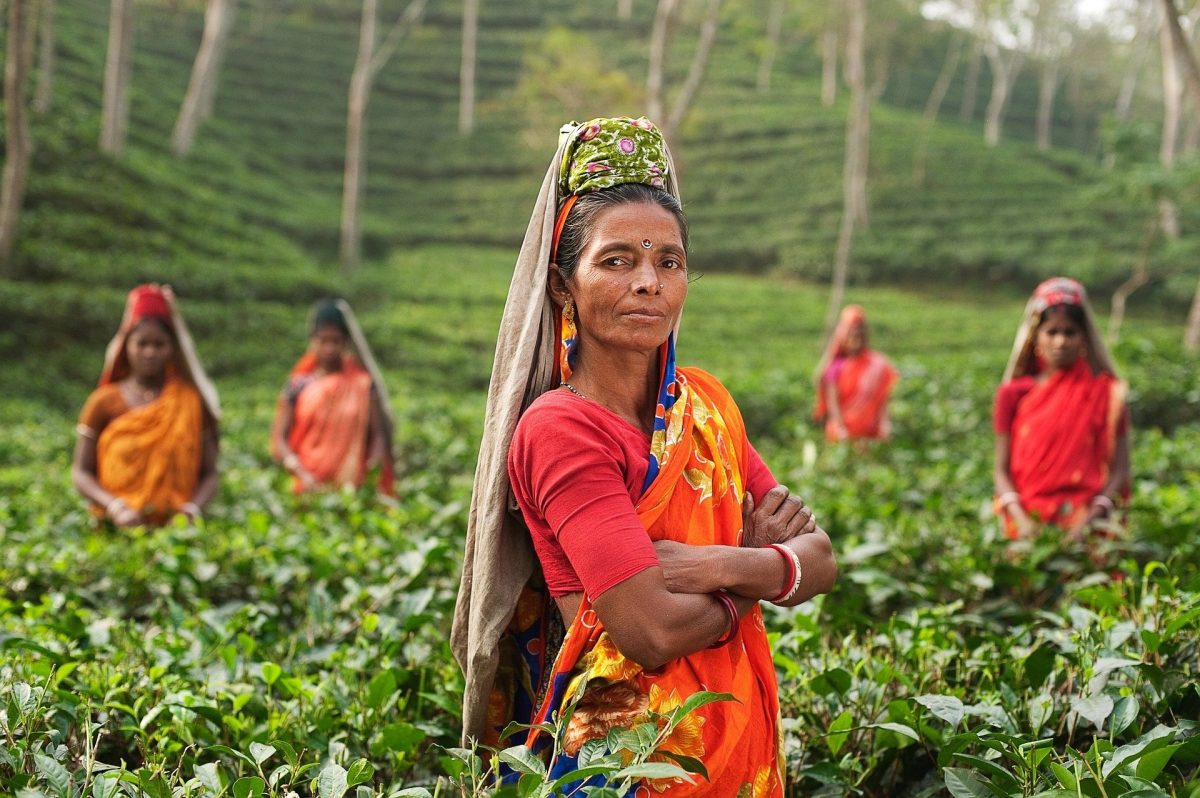
For decades, the supply chains of global companies have raised numerous and serious concerns, ranging from human rights issues to a lack of transparency regarding sourcing and other matters. In the jewelry sector, problems have ranged from unsafe mining practices and child labor to money laundering through the supply chains themselves.
The rise of conscious consumers has altered how brands compete, and ethical supply chains have become a source of competitive advantage, as brands leverage prestigious certifications, such as B Corp status, to align closely with conscious consumers who value sustainability, transparency, and accountability. But…
What defines an ethical supply chain and what does it look like in practice?
In short, an ethical supply chain focuses on the need to adopt corporate social responsibility and produce products or services in a way that treats workers and the environment ethically.
In practice, this means weaving these principles into the fabric of the company. Everyone involved in the process of creating the company’s beautiful products should benefit from the value creation and suffer no harm.
Logically, to uphold these principles, ethical supply chains require much more vigilance for their establishment and, above all, for their oversight (compared to traditional supply chains).
Regular audits remain an integral part of the responsible sourcing process and have been shown to improve working conditions, health and safety, environmental sustainability along with bribery and anti-corruption measures.
Below we share tangible tips on how to audit an ethical supply chain.

Audits are criticized for being misleading and disconnected from true accountability. Audits often fail to detect unauthorized subcontracting arrangements, and most auditing firms lack investigative powers and have a limited ability to verify that the information presented to them is true and accurate.
Secondly, auditors typically only inspect the specific areas that suppliers decide to show them and can only speak with employees they happen to see. Therefore, one might ask: What is the real situation? Can a brand truly monitor its supply chain if it is managed this way?
It is necessary to ensure that the correct production and quality control steps are respected, in addition to instructing the team when necessary and ensuring compliance with the company’s code of conduct. Of course, this requires a much greater investment from the company, but it is fundamental to ensuring its values.
Know Your Customer (KYC) procedures are a critical function for assessing customer risk and a legal requirement to comply with anti-money laundering laws. Effective KYC procedures involve knowing a customer’s identity, the risks they pose, and their financial activity.
KYC procedures were first implemented by financial institutions but have since become a staple component of ethical supply chain management practice. The process differs, obviously, depending on the sector, but the basic framework of the KYC procedure remains the same. Therefore you must:

– Establish a mandatory process for identifying and verifying a client/customer/etc.
– Ensure you know and understand the ownership structure of all your suppliers.
– Validate the legitimacy of their claims.
– Verify or terminate the relationship if KYC standards are not met.
It is also vital to expect all suppliers to comply with, and where possible exceed, all current laws and regulations in the countries where your company operates.
Having “feet on the ground” will allow your company to be attentive to this at all times and will encourage your partners to go beyond legal compliance and adhere to all relevant international and brand standards with a commitment to continuous improvement.
Obviously, granting such a certification carries notable prestige; however, the application process itself holds great value.

As a brand, it forces the company to put itself under the microscope and examine its processes from the perspective of an external specialist. Applying for (and obtaining approval for) B Corp status really makes teams think deeply about what they do and how they can continuously strive to uphold the values of the certification.
Ready to audit an ethical supply chain?