Editor’s Note
This article details a significant $90 million investment in lab-grown diamond producer Lusix, with backing from LVMH’s venture arm. It highlights the growing interest of major luxury groups in sustainable diamond alternatives and the continued evolution of this market segment.
A $90 million funding round for Rehovot, Israel-based lab-grown diamond producer Lusix includes LVMH Luxury Ventures, Ragnar Crossover Fund and More Investments.
Lusix and its Sun Grown Diamond brand were born out of Landa Labs, the science innovation and incubation platform of the Landa Group founded by entrepreneur and inventor Benny Landa. Now its own entity, Lusix’s latest funding round is intended to fuel its growth initiatives, namely the expansion of its production facility in Israel, and the addition of a second facility this summer.
The move signals a shift in the jewelry industry; legacy jewelry brands including Cartier, Tiffany, Chopard, and Bulgari, have embraced recycled metals and increased ethical mining practices. But they have not endorsed lab-grown diamonds as a luxury material.

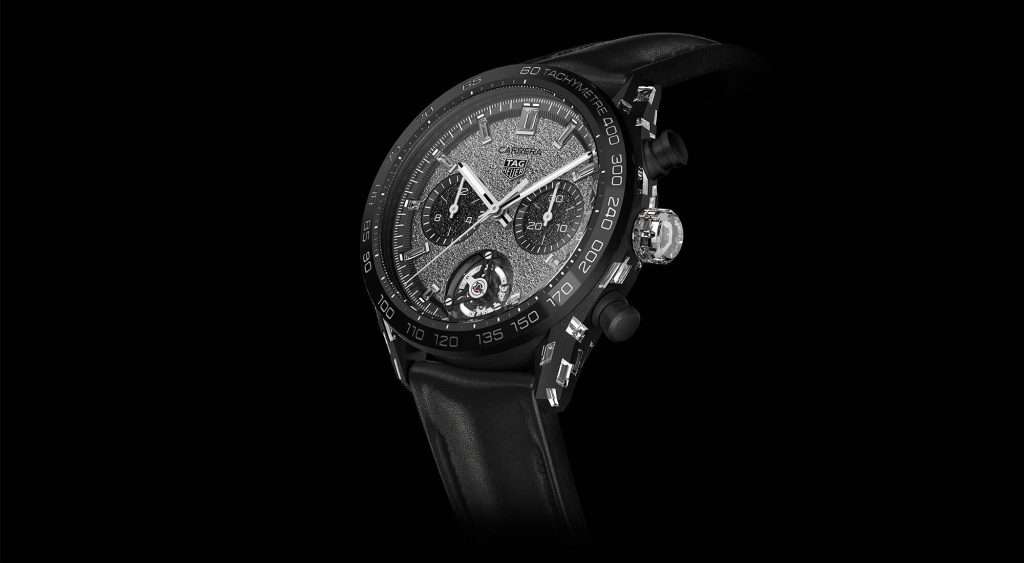
But that could soon change with LVMH’s participation. Tiffany & Co. is an LVMH brand. Tag Heuer, another LVMH brand, released a collection of watches in March made with lab-grown diamonds.
Demand for lab-grown diamonds has continued to increase in recent years. The Leonardo DiCaprio-backed Vrai opened a Los Angeles flagship store last year not far from luxury central, Beverly Hills.
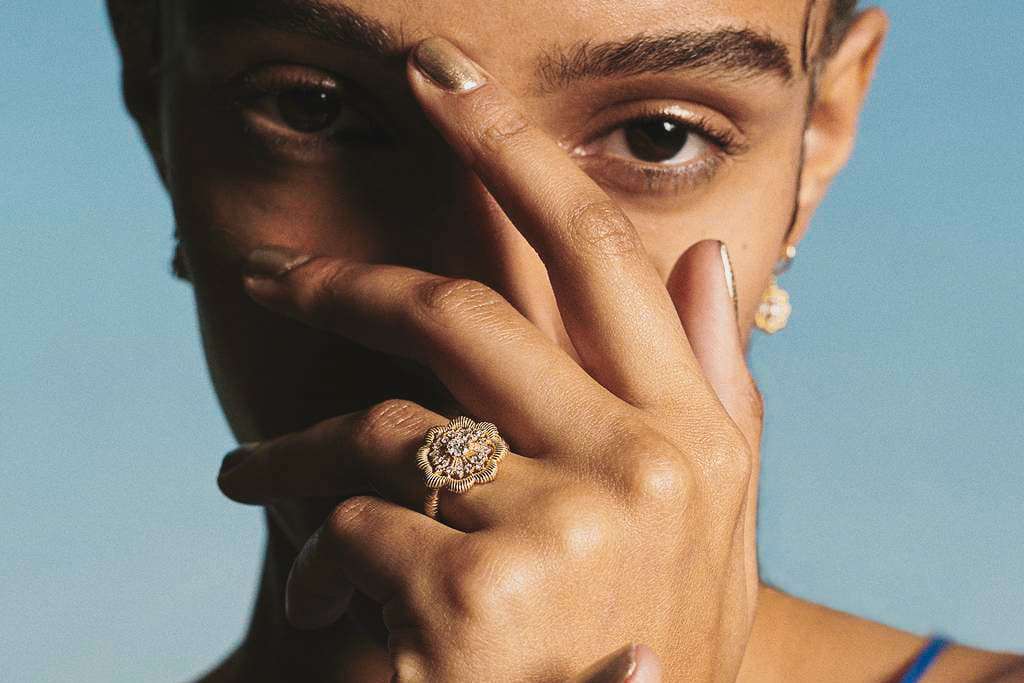
The recently revived 18th century jewelry brand Oscar Massin is also aiming to make lab-grown synonymous with sustainable luxury. It’s committed to only using responsibly sourced materials including recycled gold and metals and lab-grown diamonds. The brand’s founders hail from luxury; Frédéric de Narp is the former CEO of Swatch Group’s Harry Winston, and Coralie de Fontenay was a longtime executive at Richemont’s Cartier.
Diamond giant De Beers’ own research also confirms that consumer habits are changing, particularly among millennials and Gen Z, who are not only expecting more ethical behaviors from brands, but are also willing to pay a premium for it.
The Lusix investment builds on LVMH’s increasing sustainability efforts. The group has lagged behind rival Kering, the Gucci parent company. In October, Kering partnered with Richemont to create the Watch and Jewelry Initiative 2030 aimed at standardizing and increasing the industry’s sustainability efforts, which LVMH has not joined.
But it has been increasing its efforts across its Maisons. Much of the change at flagship label Louis Vuitton is owed to its late creative director, Virgil Abloh. The designer and co-founder of Off White championed sustainable materials and helped the label design a logo to help orient customers to its efforts. He was also there when the label launched its first unisex, vegan sneakers made with sustainable materials, among other efforts. By 2025, Louis Vuitton says it will have reached 100 percent of its sustainability goals.
LVMH has increased its efforts in promoting circularity, too, opening up its labels’ deadstock to the Nona Source platform, which sells it to smaller designers and helps keep the house brands from creating waste.