Editor’s Note
This article examines the continued flow of Russian diamonds into global markets, particularly through the historic hub of Antwerp, despite EU sanctions imposed following the invasion of Ukraine. It raises critical questions about the mechanisms and beneficiaries of this enduring trade.
Every fourth diamond comes from Russia. Although the EU has imposed tough sanctions on Moscow, the business is running brilliantly. Who benefits from this?
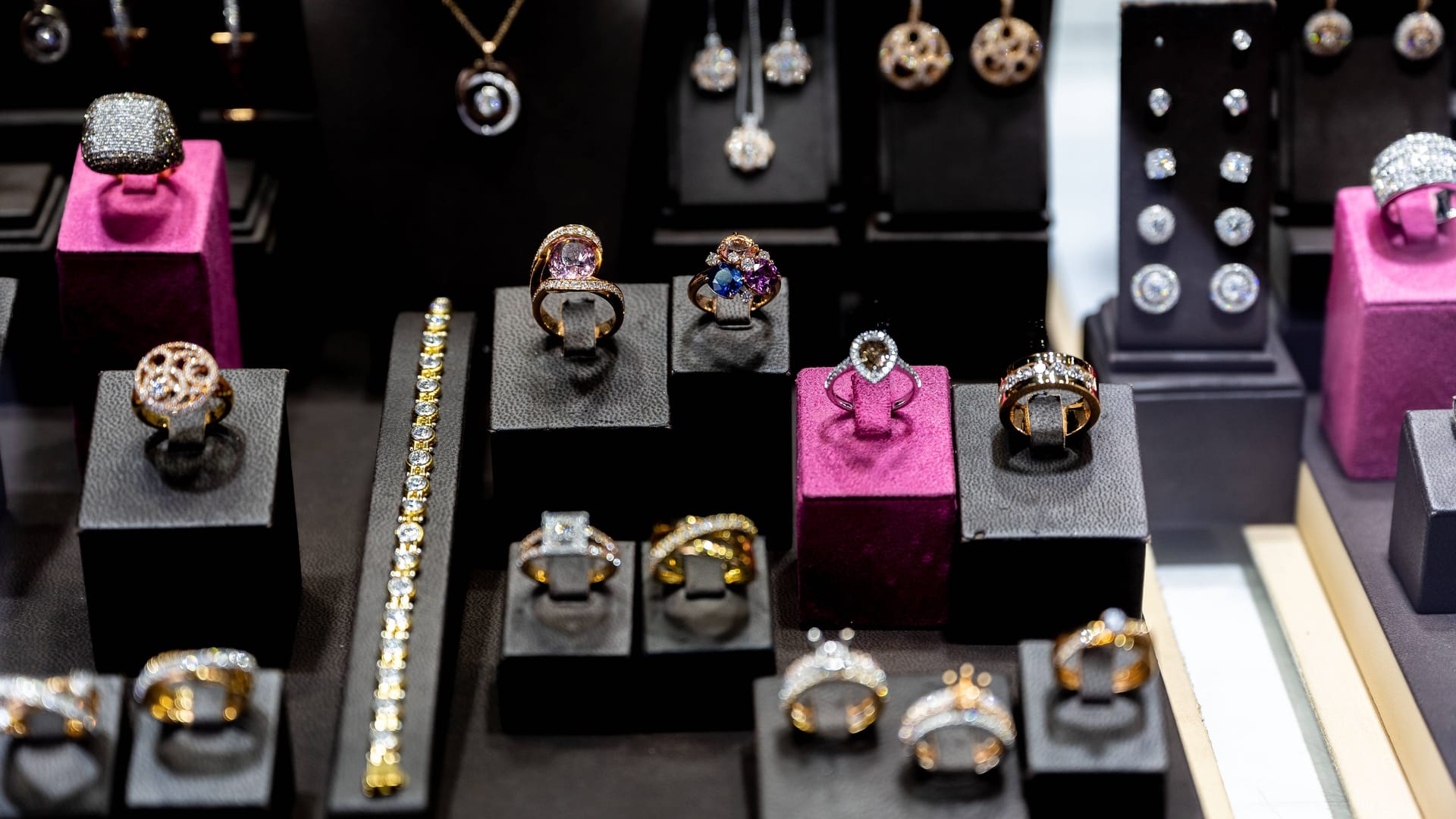
Jewels are draped on velvet in a shop window in Antwerp’s diamond district with gloves. Since the 15th century, the Belgian port city has been considered one of the hubs for the gemstone trade. According to the Antwerp World Diamond Centre, 37 billion euros are discreetly and confidentially turned over here annually. When asked where the diamonds come from, a jeweler answers with a laugh:
His reticence is not entirely unfounded.
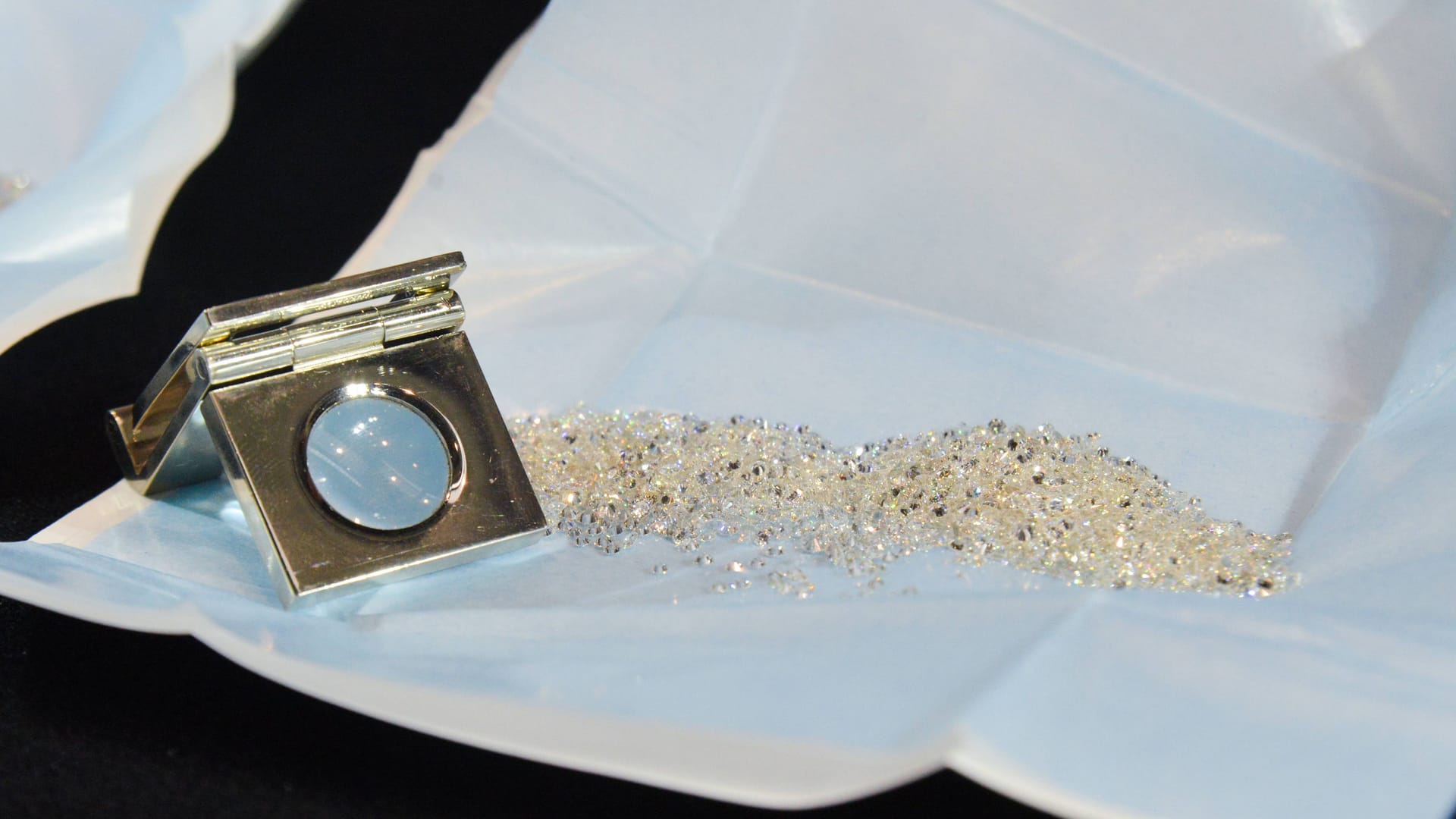
As Sigal Vantzovski, owner of Binson Diamonds in Antwerp, explains, the rough diamonds come from Angola, Congo, Sierra Leone, South Africa, and also from Russia. They are brought to Belgium to be polished in manufacturing workshops. Subsequently, they are further processed into jewelry pieces and sold, among other places, in her shop.
It is a noble niche market with billions in turnover, from which Russia – despite the war against Ukraine – continues to benefit. The European Union has imposed numerous sanctions against Moscow since the start of the Russian war of aggression. For instance, the import of certain goods such as gold, vodka, and caviar was stopped – Russian diamonds were spared, and for a specific reason.
According to data from the Russian Finance Ministry, Russia exported over 48.6 million carats of rough diamonds abroad in 2021 – the highest volume since the start of the observation period in 2007. The monetary turnover was not quantified. The most important export destinations: the United Arab Emirates and Belgium.
Belgium – the country where the EU has its headquarters – thus plays a key role in the diamond industry and advocated in the sanctions negotiations for Russian stones to be excluded from the measures.
From an economic perspective, Europe would harm itself with sanctions, says Koen Vandenbempt, Dean of the Faculty of Economics at the University of Antwerp. A halt to the import of Russian rough diamonds would lead to the loss of an industry and its relocation to Dubai or Mumbai – places where far less emphasis is placed on transparency or sustainability than in Antwerp, says Vandenbempt.
Since many countries such as India, Israel, or the United Arab Emirates have not joined a boycott, the Russian stones would ultimately find their way into the world market through them, explains Joachim Dünkelmann from the German Federal Association of Jewelers, Jewelry, and Watch Retailers (BJV).
The Kremlin, however, most likely benefits from the diamond rush. One of the largest producers is the Russian diamond giant Alrosa, which, according to its own statement, is “partially” state-owned. Experts estimate the state’s share at about 33 percent.
Alrosa accounts for 95 percent of Russian diamond production – about 27 percent worldwide. This means that at least every fourth stone on world markets comes from Russia. The giant operates several mines in the Sakha region in northeastern Russia as well as in Arkhangelsk in the northwest and is also involved in mines abroad – for example, in Angola.
In contrast to Vandenbempt, raw materials expert Larisa Stanciu emphasizes that a ban on the import of Russian rough diamonds would mean less money flowing into the state treasury via Alrosa.
Alrosa CEO Sergey Ivanov is also no stranger. He was among the first oligarchs from Putin’s circle to be sanctioned by the United States. While the European Union hesitates, the US government imposed sanctions against Alrosa shortly after the outbreak of war and subsequently tightened them.