Editor’s Note
This article highlights a strategic investment by the CAPL Group to establish a quinoa and protein-seed processing unit in Anjou. The “Perles d’Anjou” project aims to strengthen local agriculture and food sovereignty while creating new jobs, capitalizing on the region’s existing cultivation of this crop.
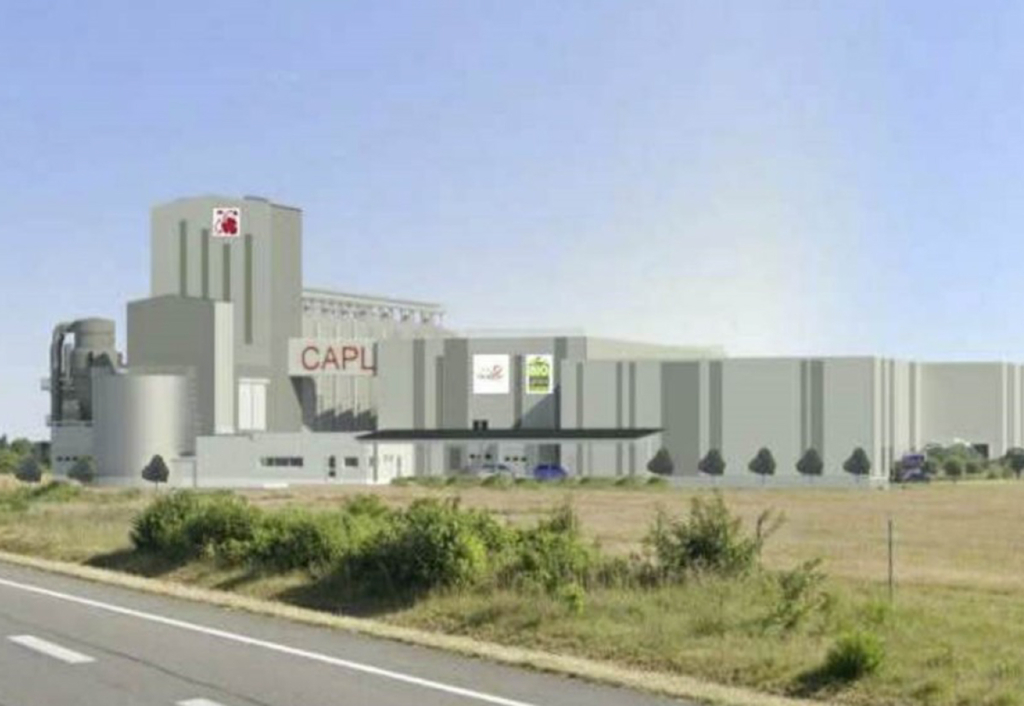
The CAPL Group, a major player in the region’s agri-food sector, is investing in an industrial site dedicated to quinoa and other protein-rich seeds. This new project, named “Perles d’Anjou,” will be committed to serving French agriculture and food supply chains. It will be located in the Anjou Actiparc zone of Jumelles and will create 4 jobs.
Currently, Maine-et-Loire is one of the few French departments where quinoa is cultivated. Initiated by CAPL (Coopérative Agricole des Pays de la Loire) and the company Abbottagra, an Anjou Quinoa supply chain has been developing for several years around approximately 400 producers. For now, CAPL, which achieved a turnover of 220 million euros in 2021, receives the production at its existing sites. Around 3,000 tonnes of quinoa (10% of which is organic) are sorted, cleaned, and packaged there. The seeds are then sold to agri-food manufacturers, mass retail chains, specialty stores, and the catering sector.
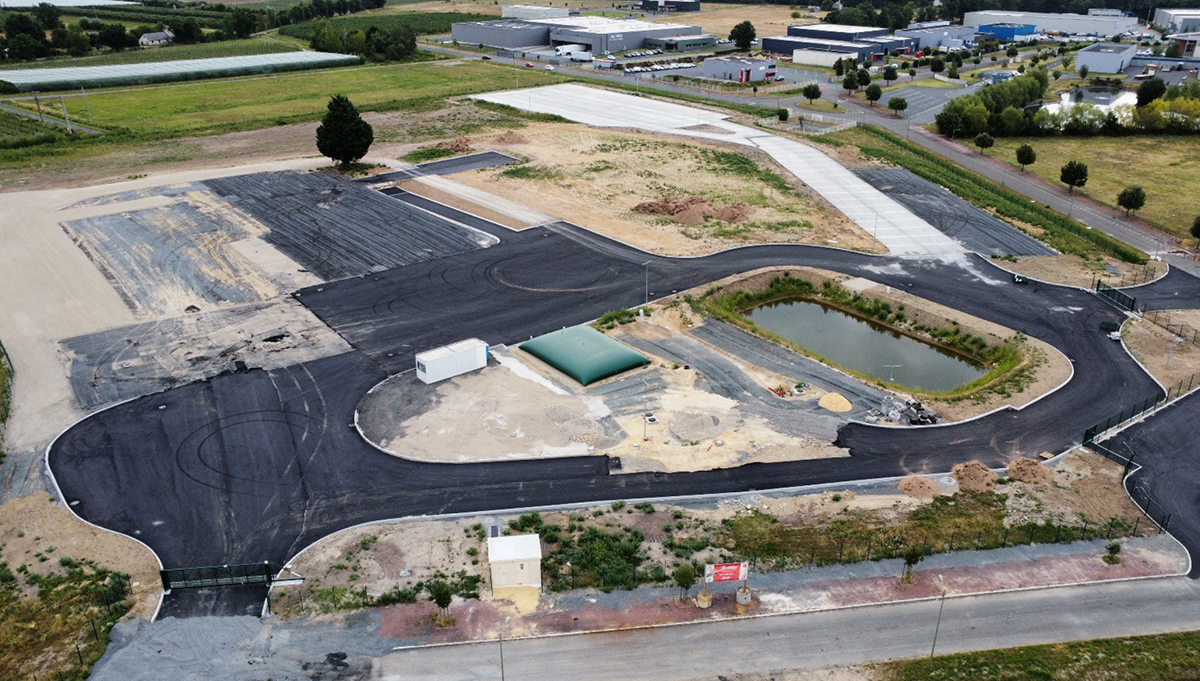
Given the enthusiasm and development prospects offered by Anjou quinoa and so-called “protein-rich” seed varieties, the CAPL Group, which notably seeks to develop the agro-ecological aspects of its production (diversity in crop rotation, low-input cultivation, etc.), has approved an investment of 15 million euros in a new industrial unit. In this project, CAPL will be supported by the mixed-economy company ALTER Eco. For this purpose, ALTER has acquired a 7-hectare plot (25% of which is classified as wetland and non-buildable) in the Anjou Actiparc zone of Jumelles, where initial work began in April.
The future industrial site, named Perles d’Anjou, will offer a capacity of 10,000 tonnes. It involves the construction of an industrial complex with a total built area of 6,400 m2, which will include a section reserved for receiving, storing, and standardizing the moisture content of goods, as well as three seed sorting and bagging lines. This new site, unique in the West of France, will consolidate activities within a single complex, thereby optimizing transport flows and, beyond that, the carbon footprint of production. Furthermore, it will be equipped with state-of-the-art equipment that will ensure greater resilience of the processing tool and also help reduce production costs. The ambition is to become a strategic seed center and a lever for developing ecosystems within the supply chain (notably by securing outlets for member farms and enabling them to increase their added value).
explains Christian Blet, President of CAPL and himself a quinoa producer.
The future industrial complex, which is expected to create four jobs in addition to the six people currently working in Brissac-Quincé, will be operational by the end of spring 2024. In addition to expected public aid, CAPL will create the SCIC (Société coopérative d’intérêt collectif) “Perles d’Anjou” to allow all interested parties to take shares in financing the project.
said Jackie Goulet, President of the Saumur Val de Loire Agglomeration Community, Mayor of Saumur; Michel Pattée, Vice-President for Economic Development and Industrial Zones, Mayor of Doué-en-Anjou; and Frédéric Mortier, Vice-President in charge of Sports Policies and Facilities, Mayor of Longué-Jumelles.