Editor’s Note
This article reflects a notable shift in luxury consumption, where high-end jewelry is emerging as the new focus for affluent shoppers, moving beyond the once-ubiquitous status of designer handbags.
A female consumer in her 30s, met in front of a Van Cleef & Arpels store in Seoul’s Gangnam district on the 12th, said this. This week, entering this brand’s stores requires waiting 6-7 hours on weekday mornings. This is because a price increase is scheduled for the 13th. Even after waiting a long time to enter the store, purchasing is not guaranteed. Luxury enthusiasts explain that it’s not even easy to browse products because those who enter first sweep up all available stock.
The domestic luxury shopping craze is shifting from the “Chanel bag frenzy” to jewelry. An industry insider stated, “Because luxury bags like Chanel and Louis Vuitton sold so widely to the public until last year, the market has become saturated,” adding, “The purchasing of the luxury consumer class is spreading to the jewelry sector.”
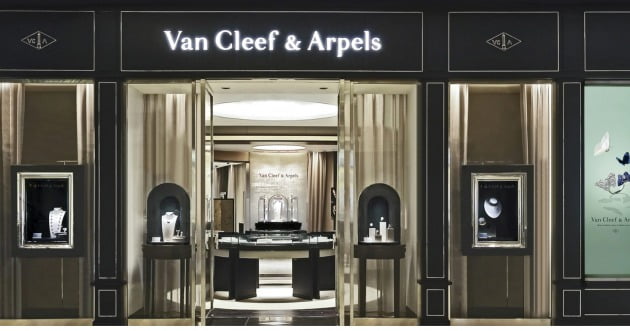
Even with an impending price hike, it’s uncommon for luxury jewelry brand stores to have entry waits of 4-5 hours or more. This is because their price levels are several to tens of times higher than luxury bags. Van Cleef & Arpels is famous among jewelry brands for its high-end, high-priced jewelry ranging from tens of millions to hundreds of millions of won. It gained attention in 1956 when Prince Rainier III of Monaco commissioned jewelry to commemorate his marriage to actress Grace Kelly.
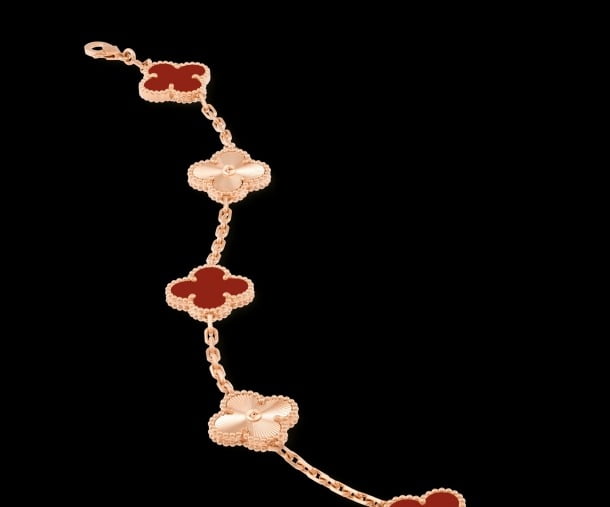
In the domestic market, it is well-known as jewelry mainly worn by First Lady Kim Keon-hee. In July, during President Yoon Suk-yeol’s first overseas trip, she wore a Van Cleef & Arpels ‘Snowflake Collection’ necklace worth approximately 60 million won, sparking discussion. She has also worn bracelets from the brand’s ‘Sweet Alhambra’ line at events like the inauguration ceremony, early voting day for local elections, and Memorial Day ceremony this year.
The upcoming price increase is about 8% on average. A luxury reseller said, “These days, Gangnam’s affluent housewives are quickly shifting their interest to jewelry and watches, which are expensive and difficult for the general public to access, rather than common luxury bags like Chanel and Louis Vuitton.” Richmond Korea, which holds this brand, recorded over 860 billion won in sales in the domestic market last year. Operating profit was 74.1 billion won, a 20% increase compared to the previous year (2020).
Changes in luxury consumption are already being detected in major domestic department stores. In the second quarter of this year, sales of luxury jewelry and watches at Lotte, Shinsegae, and Hyundai Department Stores increased by 33.2% compared to the same period last year. All three major department stores showed rising sales: Lotte Department Store 30%, Shinsegae Department Store 33.9%, and Hyundai Department Store 35.8%. Notably, Lotte Department Store achieved nearly 40% growth in luxury jewelry and watch sales in July alone through events like wedding fairs.

The luxury jewelry purchasing boom was even stronger among VIP customers. According to Galleria Department Store, from January to July this year, the proportion of luxury jewelry and watch sales in the total sales of VIP customers (purchasing over 20 million won annually) was 22%, 6 percentage points higher than the proportion for all customers (16%). This trend was more pronounced among VVIP customers purchasing over 100 million won annually. VVIP customers’ luxury jewelry and watch sales showed high growth of over 69% compared to the previous year. This contrasts with views that luxury market growth would slow in the second half due to global inflation concerns, interest rate hikes, and declines in various investment assets.
There is also analysis that customers seeking watches or jewelry for purposes like wedding gifts or presents are increasing as wedding demand, postponed due to social distancing, rises.
As preference for luxury jewelry grows, brands are successively raising prices. This is to stimulate the psychology of “buy before the price jumps.” Not only brands with planned increases but also those that recently raised prices are seeing increased sales due to worries that “they might rise again soon.”
On this day, at a Gangnam department store, customers visiting the Cartier store were reportedly more than double the usual number. A store official explained, “Quite a few customers ask if they can just pay first when they come to the store and the desired product is unavailable,” adding, “Supply is low and demand is high, so we don’t accept ‘full payment waiting’.”
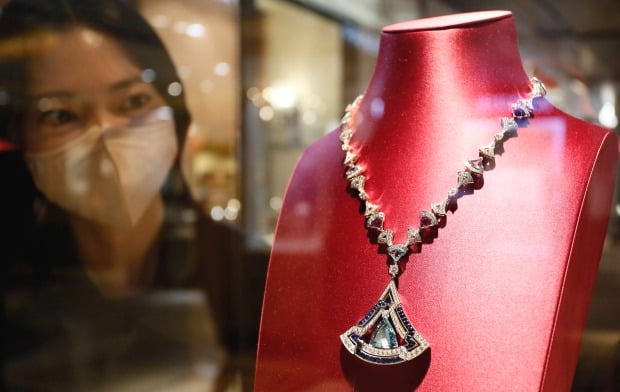
This means that despite price increases in the first half, purchasing demand hasn’t waned. Italian jewelry brands Bulgari and Damiani also raised prices last month, but entry still requires waiting. Park, a 36-year-old office worker and luxury enthusiast, said with surprise, “Some people are relieved, thinking that brands that have already raised prices might see reduced demand and thus have stock available. I’ve seen people who couldn’t get products domestically buy them from the US, where stock is abundant due to the high exchange rate.”