Editor’s Note
This article highlights how geopolitical conflict is reshaping global commodity markets, with diamond prices surging to a 10-year high due to sanctions on Russian producers. The ripple effects extend beyond pricing, potentially benefiting non-Russian mining firms as supply chains reconfigure.
![[베트남증시 31일 마감시황] VN지수 1.64p(0.11%) 상승 1,490.51p '에너지주 약세 속 강보합 마감' [KVINA]](https://img.hankyung.com/photo/202204/B20220401000629660.jpg)
Russia’s invasion of Ukraine has sent international diamond prices soaring to their highest level in a decade. Russia accounts for approximately 30% of the world’s rough diamond production. As the United States and European countries include Russian diamond mining companies in their economic sanctions targets, supply disruptions have driven prices up. Conversely, diamond mining companies in countries other than Russia are expected to benefit from this situation, with growing expectations for stock price increases.
As of late March, the international diamond price is trading at an average of $230.3 per carat. Compared to December last year ($214.2), this represents a 7.56% increase in just three months. It is approaching the price level of February 2012 ($234.8), which was the peak since the 2010s.
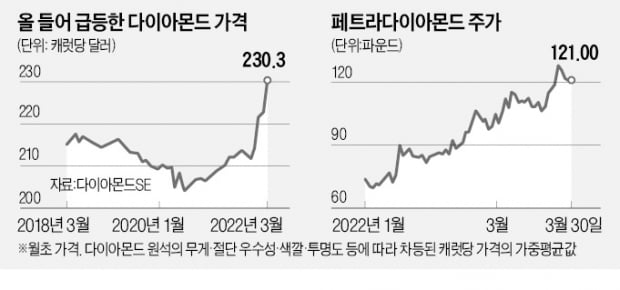
The sharp rise in diamond prices this year is due to the war between Russia and Ukraine. Russia produces 29.4% (as of 2020) of the world’s diamonds. Rough diamonds rank 12th among Russia’s export items.
Concerns over supply have intensified as Western countries, including the United States, imposed sanctions on Alrosa, Russia’s largest diamond producer. Following the outbreak of the Ukraine war, the US, as part of sanctions against Russia, revoked Russia’s most-favored-nation trade status and banned imports of non-industrial diamonds from Russia. The US is the world’s second-largest net importer of diamonds after China. Furthermore, Alrosa, Russia’s largest diamond mining company, was also added to the sanctions list. Following the US, the United Kingdom also added Alrosa to its list of sanctioned Russian companies, effectively imposing an embargo on Russian diamonds.
While supply has been disrupted, demand for diamonds is increasing. Although diamond prices have shown a sharp upward trend this year, they have been on a gradual upward curve since September 2020. As the COVID-19 situation prolonged, consumers unable to engage in leisure activities such as overseas travel increased their consumption of luxury goods as a form of ‘revenge spending,’ boosting demand for diamonds.
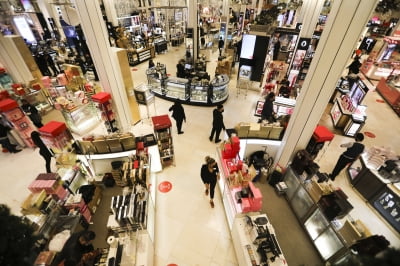
Investment strategies leveraging the diamond price surge are also drawing attention. Meritz Securities predicted that mining companies within the diamond industry value chain would benefit the most. This suggests that benefits could shift to mining companies other than Alrosa, which is on the sanctions list.
The global market leader in diamonds is the UK’s De Beers. Since De Beers is not publicly listed, one investment method is through its parent company, Anglo American (AAL). Anglo American, listed on the London Stock Exchange, holds an 85% stake in De Beers.
Meritz Securities selected UK-based Petra Diamonds (PDL) as its ‘top pick,’ evaluating it positively as a pure-play diamond company.
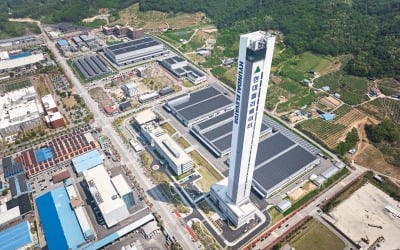
On the London Stock Exchange, PDL has risen 67.5% since the beginning of the year. As diamond prices jumped, its stock price also surged in tandem. Although the stock price has risen significantly recently, its valuation attractiveness is still considered substantial.