Editor’s Note
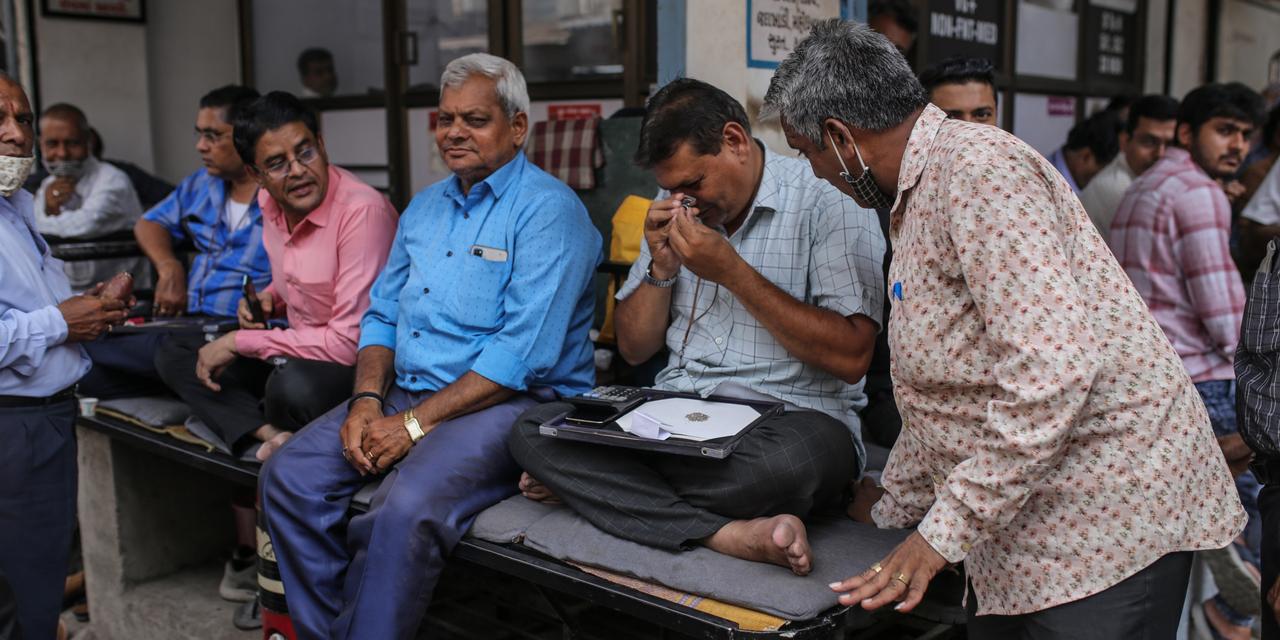
This report examines the tangible impact of Western sanctions on Russia’s diamond industry, highlighting how the resulting shortage of natural rough stones is reshaping global trade dynamics and pushing Russia toward lab-grown alternatives. The scene from Surat, India, illustrates the interconnectedness of this market and the human livelihoods at stake.
Western sanctions imposed on Moscow have created a shortage of rough stones and destroyed jobs. While Russian rough diamonds continue to trickle in, the country is tempted to turn to lab-grown diamonds.
Only bicycles and two-wheelers manage to nimbly weave their way through the human anthill of Mahidharpura Road, the beating heart of the diamond trade in Surat (Gujarat), in western India. Every day, thousands of men in shirtsleeves flock to this artery to sell and buy precious stones. The crowd spills over into the adjacent streets.
Traders, sitting barefoot on cushions along the sidewalk, examine rough diamonds and finely cut gems with the naked eye or a magnifying glass. In their pant pockets, dozens of sparkling precious stones are wrapped in simple sheets of paper. About 90% of the world’s diamonds are cut in India, earning Surat the title of diamond capital.
Despite this apparent bustle, the Indian industry is going through a difficult time. Due to lack of activity, Mahidharpura Road, which usually teemed with people until 9:30 PM, now empties as early as 6:30 PM. Cutters and traders are forced to go home earlier.
summarizes Amar Singh Rathore, who negotiates gem prices along the sidewalk. The cause: sanctions imposed by the United States and other Western countries against the world’s largest diamond extractor, the Russian state-owned group Alrosa.
New Delhi, a historical ally of Russia and a partner of the West, imposes no sanctions on Moscow. But the suspension of Russian banks from the Swift interbank network complicates the purchase of stones. Before the war in Ukraine, it is estimated that 95% of Russian diamonds were polished in India. Now, they arrive in a trickle.
says Vipul Shah, the chairman of the Gem & Jewellery Export Promotion Council (GJEPC).