Editor’s Note
This article provides a concise overview of the flexible packaging market, highlighting its versatile materials and broad applications across multiple industries.
Flexible packaging is a type of packaging made from flexible, lightweight materials such as plastic, paper, film, aluminum foil, and bioplastics. It can be easily formed into various shapes and sizes to fit a wide range of products, including food and beverage packaging, personal care packaging, pharmaceutical packaging, and industrial packaging. Flexible packaging offers the advantages of plastic, paper, and aluminum foil without compromising the product’s printability, durability, barrier protection, freshness, or ease of use. Furthermore, demand for flexible packaging is increasing due to its numerous benefits for energy and the environment. Flexible packaging is more sustainable as it uses less material, energy, and water in manufacturing and occupies less space in landfills after disposal.
The objective of this survey was to analyze the global flexible packaging market through a series of questionnaires and find answers to business questions such as:
– At what price do people generally purchase products for retail?
– What are consumer preferences within the flexible packaging industry segments?
The increasing use of flexible bags and pouches in the cosmetics industry, due to their several advantages, is contributing to the growth of the flexible packaging industry.
Survey Period: March 3, 2023 – May 14, 2023
Survey Agency/Commissioner: Market Insights Reports
Survey Respondents: 500 key opinion leaders from companies/customers and end-users.
We conducted questionnaires asking various questions about the technologies used and end-use applications, as well as pricing.
Valid Responses: 500
Survey Method: 100 telephone surveys, 400 online surveys
Survey Criteria: Based on company revenue and the end-use of flexible packaging for end-users.
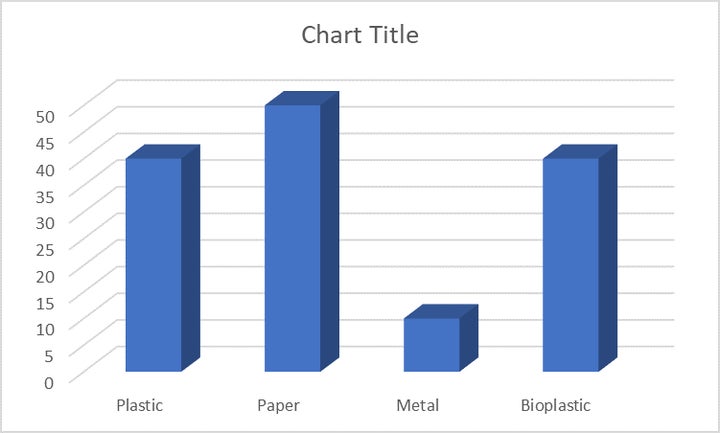
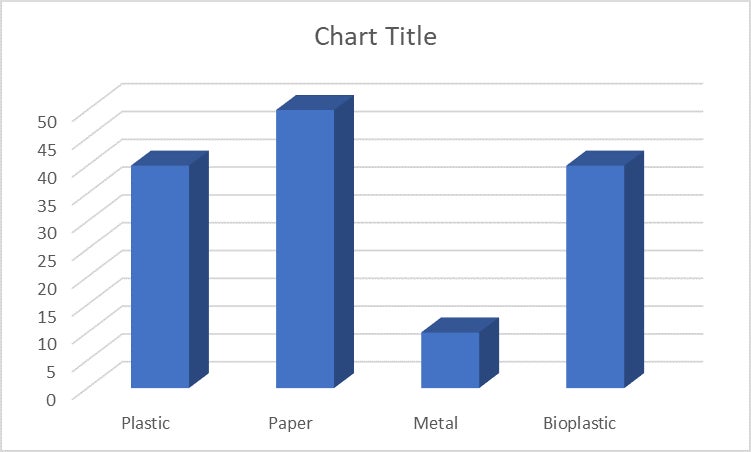
Q1 – What are the different materials used in this industry?
Plastic Segment: Accounted for the largest revenue share of over 69.0% in 2022. Plastic is an ideal packaging solution for storage and transportation due to its high impact absorption, higher structural and thermal stability, and function as an insulator.
Metal-based Flexible Packaging Solutions: Offer advantages for long-term storage due to their resistance to water, air, light, rodents, and insects.
Bioplastic Material Segment: Expected to register the highest CAGR between 2022 and 2029. Its properties are similar to those of plastic and it is fully biodegradable.
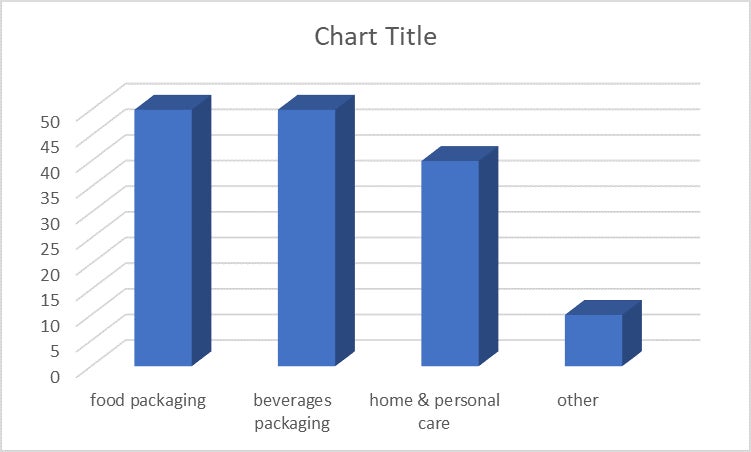
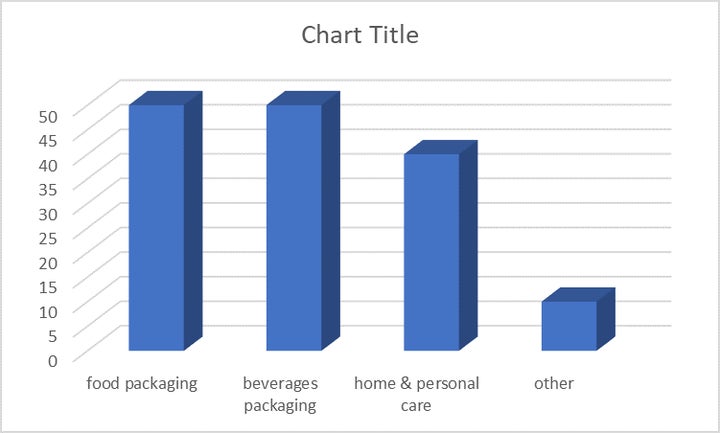
Q2 – What are the applications of flexible packaging?
The application segment is categorized into Food Packaging (Pet Food (Dry Pet Food, Wet Pet Food, Snacks & Treats), Fresh Food (Fresh & Processed Cheese, Fresh & Processed Meat, Fish & Poultry, Fresh Produce), Dry & Frozen Food (Potato Chips & Snacks, Sugar & Confectionery, etc.)), Beverage Packaging (Alcoholic & Non-Alcoholic Beverages), Home & Personal Care (Detergents, Cleaners, Hygiene Products, etc.), and Others. Home & Personal Care is expected to be the fastest-growing segment in the flexible packaging market during the forecast period.
Investment in research and development to create flexible packaging materials with unique features and benefits provides ample opportunity for manufacturers to innovate and develop new flexible packaging material solutions. The increasing demand for innovative products such as flexitanks for bulk transportation and storage of beverages and semi-solid foods and retort pouches is expected to drive demand for plastic packaging in food and beverage applications.