Editor’s Note
This article explores the shifting status of Antwerp’s historic diamond district, where tradition endures even as its global dominance faces new challenges.
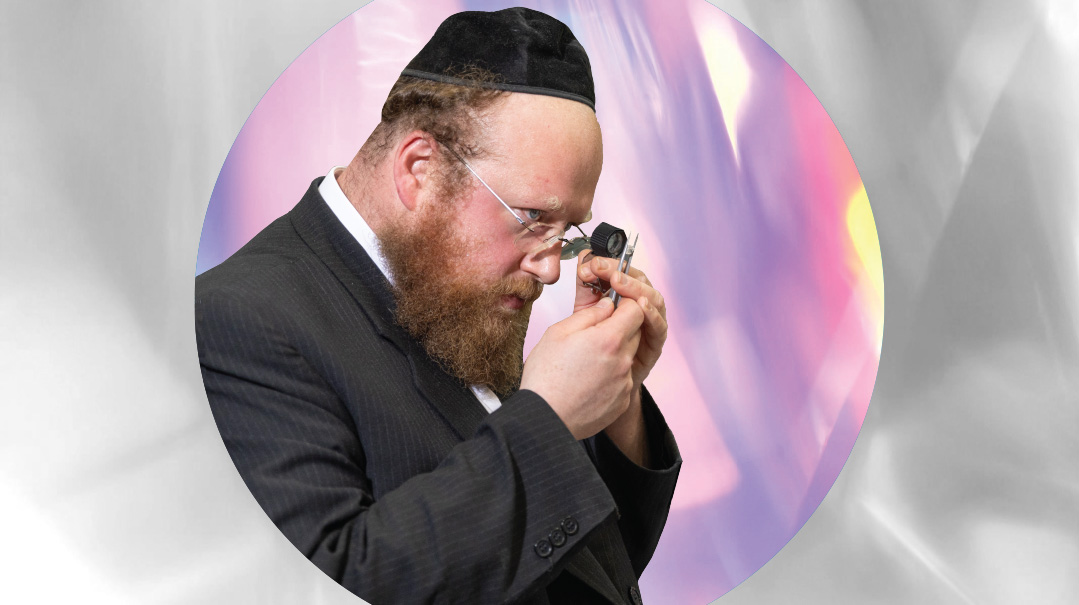
While the Belgian diamond bourse is still a great place to source a breathtaking and well-priced diamond for your next piece of jewelry (and you can make your purchase entirely in Yiddish, too), the crown of “diamond capital of the world” that Antwerp has worn for hundreds of years has lost its sparkle.
At the heart of the Antwerp Diamantkwartier (Diamond Quarter), the bourse still maintains a dignified air of exclusivity and purpose, even if it’s no longer a bustling center of activity. Over the last 20 years, footfall from international traders in Antwerp’s diamond district is estimated to have fallen by about 80 percent, with Covid putting a further nail in the bourse’s coffin. For African and Indian businessmen selling rough diamonds, the Dubai diamond exchange has usurped the Belgian bourse, and the international diamond cutting and polishing industry has shifted from Antwerp to India because of lower labor costs.
Although Belgium is no longer the diamond center it once was and many in the Orthodox Jewish community have moved on to other businesses, there are still some diehards who’ve continued to make a living in the diamond industry. These resilient merchants and craftsmen have adjusted to the changing realities, while retaining the vital trust factor they’ve long contributed to the industry and the familiar, personal touch they’ve always brought to the trade.
On a visit to Antwerp’s now-subdued diamond bourse — as a man stands at the door of the Bethe Moshe Portuguese synagogue asking “Gentlemen, Minchah (afternoon prayers)?” — we met with some of these stalwarts, who describe the skill, grit, business savvy and vision that still go into producing everyone’s favorite gemstone.
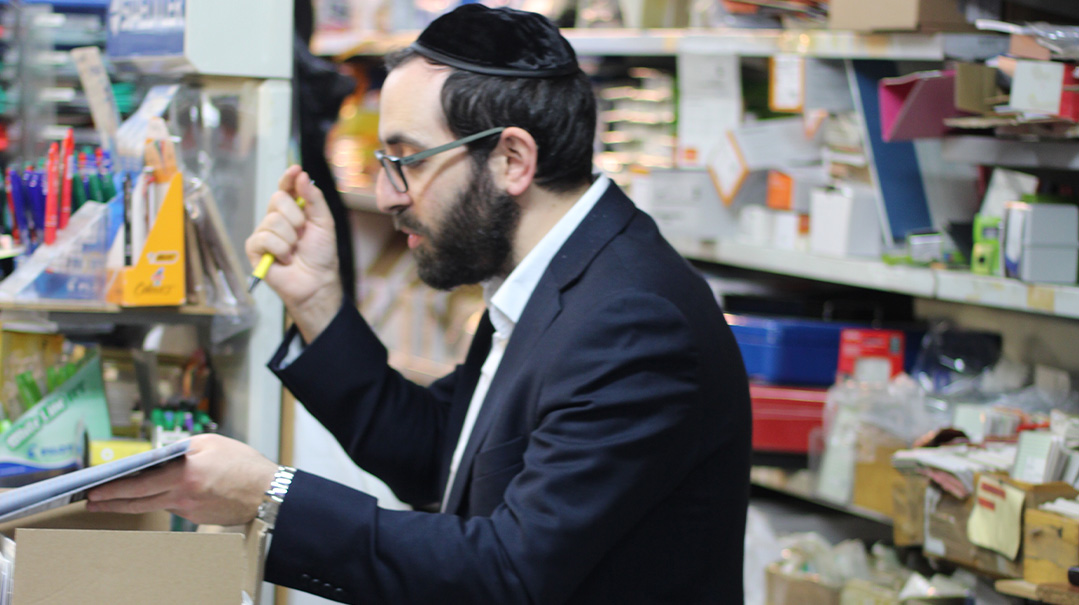
Like Mr. Mayer David, proprietor of I. David Diamond Tools right here on the Bourse square at Schupstraat 14.
It’s easy to see how the evolution of machinery has cost jobs. Diamond cutting, or cleaving, was once a popular trade for Orthodox Jews, as it could be done anywhere with just two cement-tipped sticks, a set of blades, and a good eye and skilled hand. Today, diamonds are cut by laser technology, so I. David doesn’t sell blades for cleaving anymore. Buki David, Mayer’s son, points to a machine that counts small diamonds.
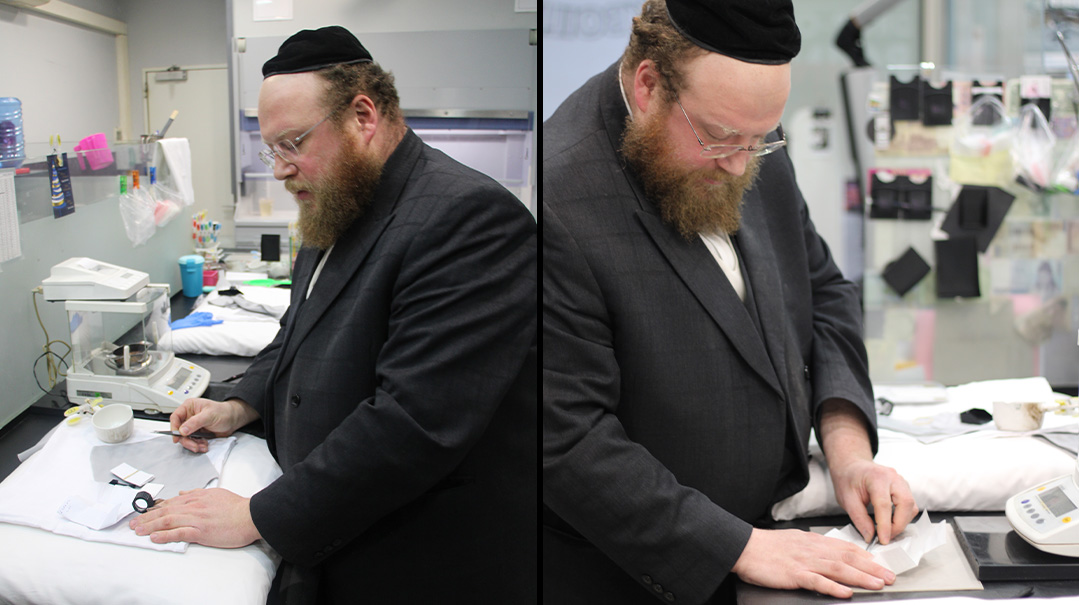
Today’s scales, for example, are constantly being updated for precision. Buki shows us a late model with five zeros after the decimal point.
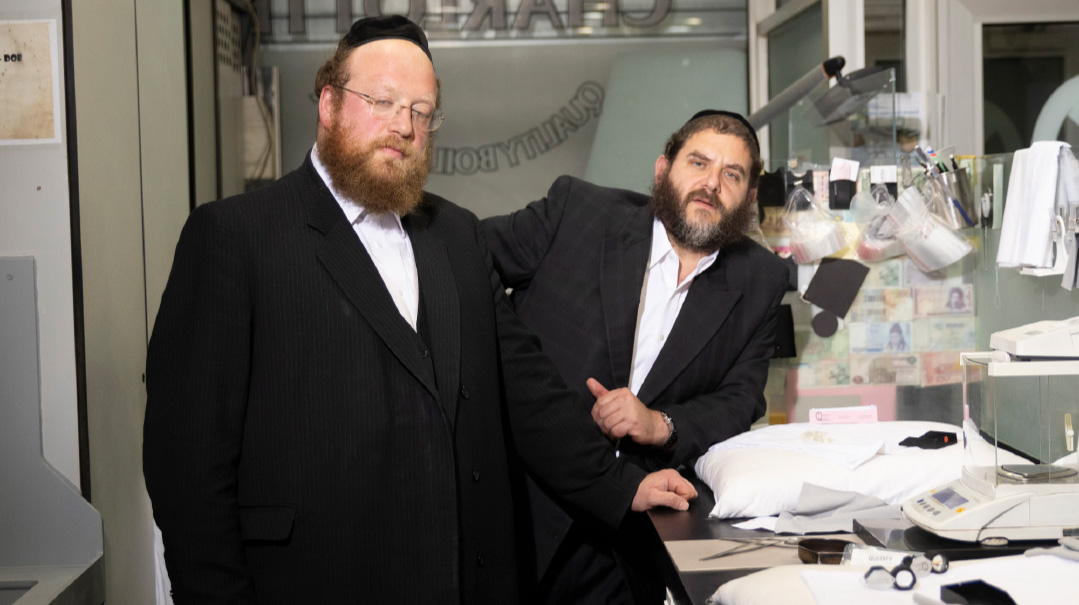
The Davids manufacture loupes with Japanese lenses, as well as top-quality Belgian sieves to sift through tiny gemstones. Today they sell their products all over the world.
Passing by, you could confuse the front part of the business with a stationery store amid the assortment of papers, pens, and other paraphernalia. But a little further in, and the lamps and loupes take over. Buki David demonstrates the daylight lamps he sells, as diamonds need to be viewed under the correct light, 6,500 kelvin, in order to accurately check their color. Besides a bank account, I. David sells everything you’d need to get started in the trade: lamp, scale, loupe, tweezers, parcel paper, gauge, and a set of gemological instruments.
Wringing hands in an emptying bourse wasn’t going to save anyone’s business; the only way to beat the migration of the industry was to join it. Antwerp businessmen who are still successful in diamonds today operate satellite offices in Dubai. For the past seven years, Buki David has traveled to Dubai regularly to exhibit and sell his diamond tools, even before the Abraham Accords made Dubai a venue for Jewish trade and tourism.
The feel of a family business is accentuated by the family pictures hanging on the office walls, together with professional certificates and a shelf of religious books. Two years ago, another son, Sruli, joined the business, too. But Mayer David says his own father, for whom the I. David business is named, never took any of that for granted.