Editor’s Note
This article explores an innovative approach to sustainable 3D printing, highlighting research into repurposing coffee grounds as a printing material to reduce plastic waste.
Currently, most 3D printers on the market for the general public are designed to use plastic-based materials such as PLA and ABS. To make 3D printing more environmentally friendly, Assistant Professor Michael Rivera from the ATLAS Institute and the Department of Computer Science at the University of Colorado Boulder has undertaken an innovative project. In his opinion, coffee waste, such as coffee grounds, could be used as a suitable material for 3D printing.
The project offers an eco-friendly alternative to conventional materials. In fact, the team has developed a method for creating a variety of objects using 3D printing by employing a paste made entirely from used coffee grounds, water, and other sustainable ingredients. This approach could, on one hand, expand the material palette for 3D printing and, on the other hand, reduce the environmental footprint of the process.
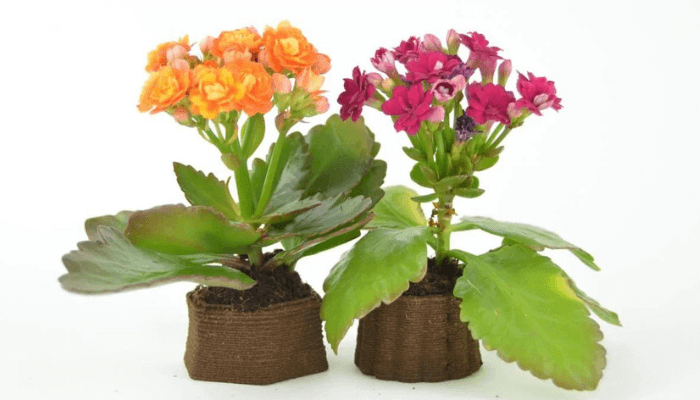
The team has previously tested the use of coffee grounds for making jewelry, plant pots, and espresso cups. This method can also be adapted to be compatible with most mass-market 3D printers. Michael Rivera emphasizes the versatility of coffee grounds, saying:
For him, this project is part of his global mission to make 3D printing more sustainable. Rivera wants to enable artists, designers, engineers, and many others to quickly create prototypes and objects while minimizing the production of landfill waste. He says:
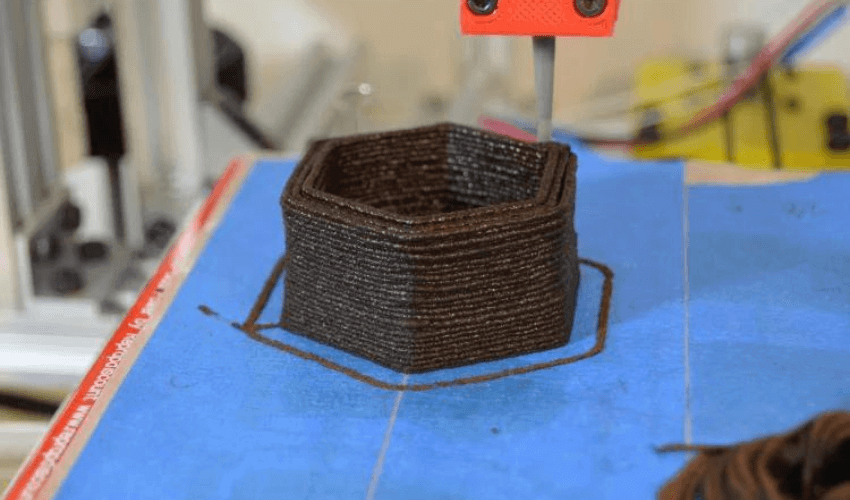
The method applied by the team is relatively simple. They combined dried coffee grounds with two other powders, cellulose gum and xanthan gum. Both are common food additives and break down easily in a compost bin. Subsequently, the researchers added water and aimed for a consistency similar to peanut butter. Due to its texture, the paste could not be directly integrated into a conventional printer. The team therefore set out to modify an existing printer to be compatible with the new material. Finally, they succeeded in using the paste for 3D printing and creating objects that, after drying, exhibited strength similar to concrete.
Despite the challenges of printing with coffee grounds, the researchers hope their work will be the engine for new discoveries that could revolutionize the field of additive manufacturing.