Editor’s Note
This article explores the potential of high-end jewelry as an alternative investment, highlighting the critical importance of provenance, craftsmanship, and gemstone quality in determining value. It serves as a primer on navigating a complex and nuanced market.
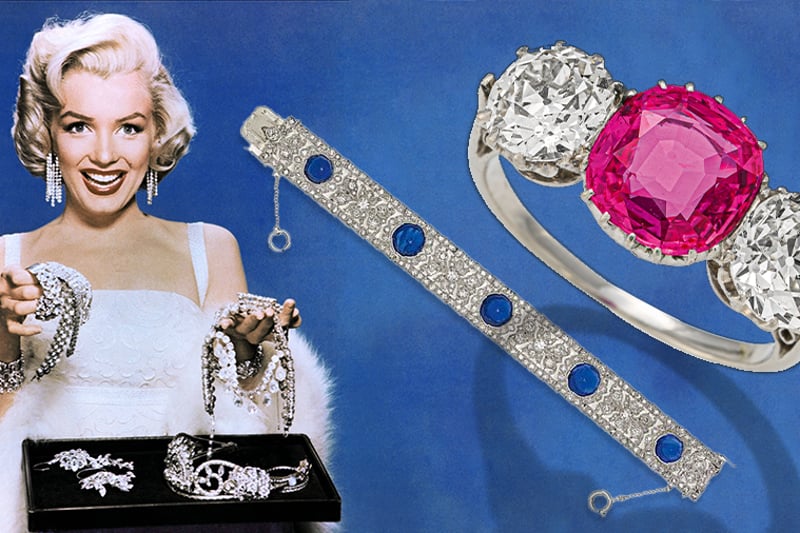
High-end jewelry can serve as an investment. However, the market is complex. Which jewelers are in demand – and which stones investors need to be particularly careful about.
Whether a piece of jewelry is suitable as an investment depends primarily on who made it and the quality of the diamonds and gemstones.
Frankfurt. When it comes to jewelry, many people probably think of their last visit to a jeweler. There, they might have wanted to choose a sparkling gift to bring joy to a friend or partner. However, buying jewelry can also proceed quite differently, for example at an auction house. There, private individuals and dealers meet who are looking for exclusive pieces from which they expect an increase in value.
The market for jewelry as an investment object is very complex. Prices are determined mainly by the precious metals and gemstones used. If the piece comes from a particularly renowned jeweler, or has a so-called “provenance,” meaning it belonged to a famous person, this also increases its value.
Private investors who want to invest in this segment need experienced advisors. Furthermore, they should only purchase pieces with a certificate from a reputable testing laboratory. The same applies to selling as a private individual: with a potentially valuable heirloom, one should not just go to the local gold buyer on a whim.
She is a trained mineralogist and a publicly appointed and sworn expert from Heidelberg.
Chances for an increase in value, on the other hand, exist with particularly elaborate and handmade pieces as well as those from renowned jewelers.
Among the particularly sought-after jewelers are Cartier, van Cleef & Arpels, Boucheron, Harry Winston, JAR, and Fabergé. Additionally, there are Wallace Chan from Shanghai and Hemmerle from Munich.
An increase in value is very likely with them.
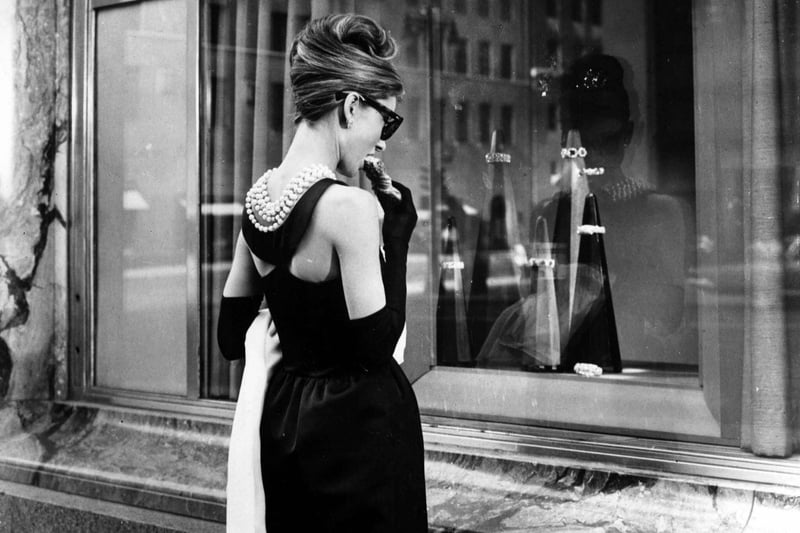
A counterexample is a classic engagement ring from Tiffany.
High prices can also be achieved with pieces that once belonged to famous people. For example, at Christie’s auction house in 2011, actress Elizabeth Taylor’s jewelry collection was auctioned for a total of nearly $116 million.
High-quality jewelry is mostly made from gold with an alloy of at least 585 or from platinum (950). 585 gold consists of 58.5 percent fine gold. The prices for the precious metals are traded on the stock exchange, so they are also clearly determinable for private individuals at any time.
The evaluation of diamonds and gemstones, however, is highly complex. Diamonds are classified according to the four “C’s”: Carat (weight), Colour (color), Clarity (clarity), and Cut (cut). The closer a diamond is to absolute colorlessness, the rarer it is; a tendency towards yellowish is more common. Additionally, it should have as few so-called inclusions as possible and be precisely cut so that it sparkles beautifully.
Regarding color and clarity, they should be in the top range.
Older stones are not automatically better. Sometimes they even have less brilliance, because the brilliant cut that dominates today has only existed since about 1930. Previously, the so-called old cut was often used. Nevertheless, old-cut diamonds can also achieve high prices. At van Ham, such a loose diamond weighing a little over four carats was sold in May for €85,800 including buyer’s premium, although it was originally valued at only €45,000.
A certificate from a reputable testing laboratory is also important.
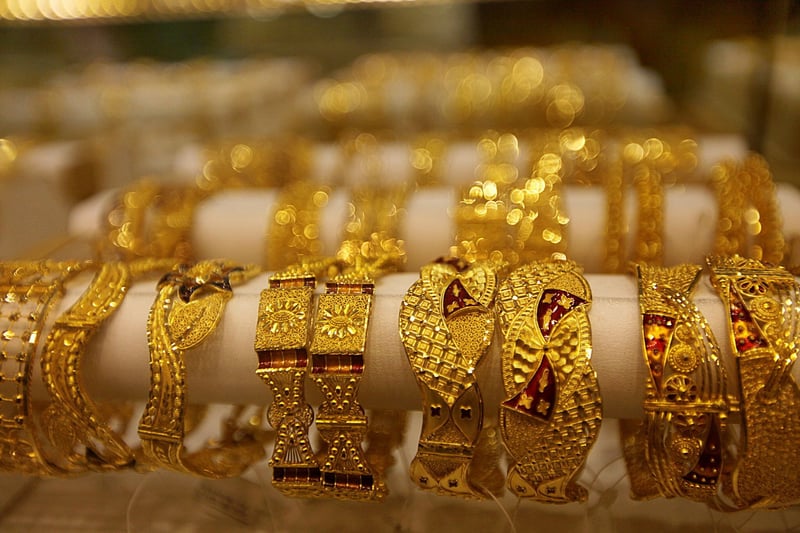
These stones are primarily offered on the internet.