Editor’s Note
This analysis, produced in collaboration with LiveEO, examines how the EU’s protracted sanctions process on Russian diamonds has inadvertently accelerated the synthetic diamond industry. Satellite imagery reveals a significant shift in market dynamics, underscoring the complex economic consequences of geopolitical actions.
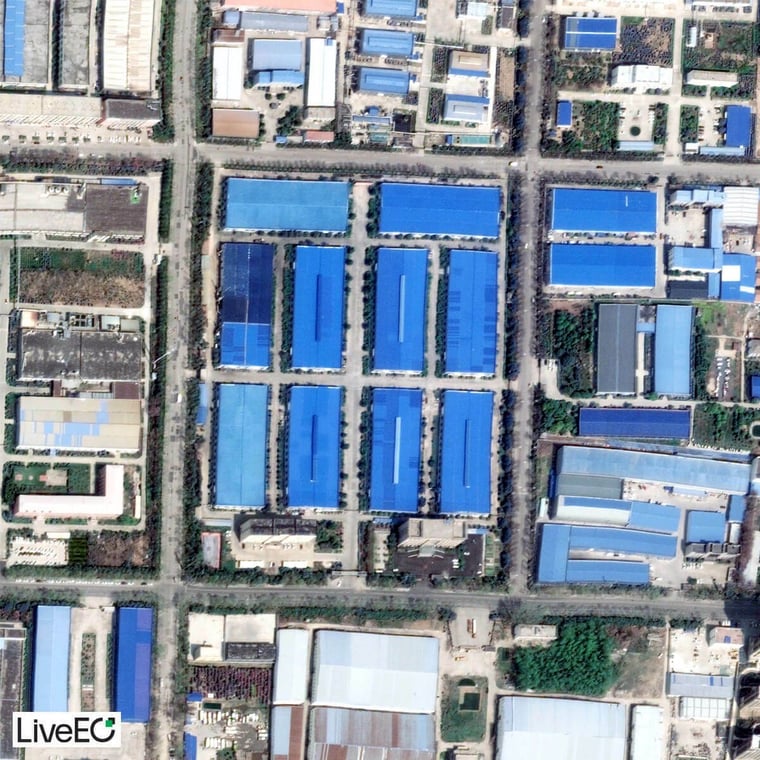
It took the EU two years to push through sanctions against Russian diamonds. Satellite images show that this has given the business of synthetic lab-grown diamonds a decisive boost. “Economy from Above” is a cooperation with LiveEO.
In August, Indian Prime Minister Narendra Modi traveled to the USA for a state visit. At a dinner at the White House, he presented First Lady Jill Biden with a special gift, packaged in a small papier-mâché box: a 7.5-carat, lab-grown green diamond. Officially a symbol of India’s 75 years of independence, unofficially an elegant dig: India is the second-largest producer of synthetic diamonds after China – and thus ahead of the USA.
Competition in the lab-grown diamond market has intensified significantly in recent years. Manufacturers are sprouting up around the globe, and more and more jewelry makers are turning to these alternative stones. Danish jewelry maker Pandora already abandoned mined diamonds in 2021. Swiss luxury watch group Breitling aims to switch completely to lab-grown diamonds starting next year, and French luxury goods conglomerate LVMH is investing millions in the trend.
While sales of classic diamonds are declining by more than ten percent annually, the market for lab-grown diamonds is growing rapidly: in 2021, the market had a volume of just over $20 billion, and market research firm Markwide Research expects it to rise to nearly $52 billion by 2030.
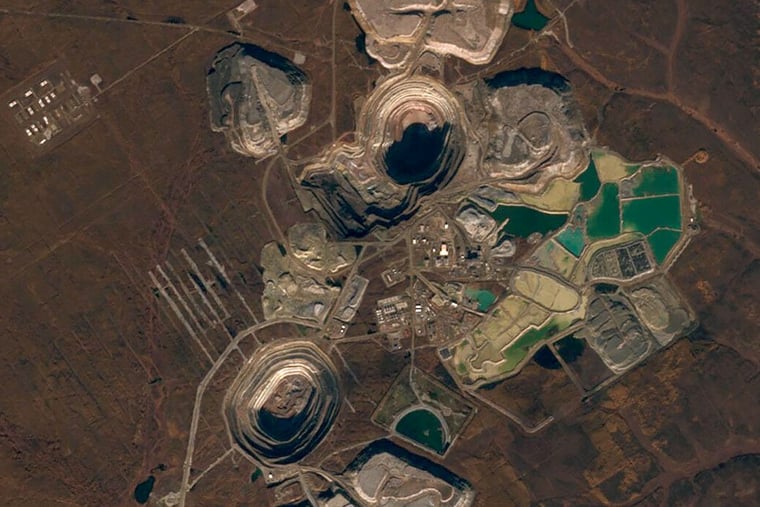
Current satellite images now show the role Russia’s war of aggression in Ukraine plays in this trend. Russia is currently the world’s largest producer of natural rough diamonds. One in three sparkling stones behind the counter comes from there, more precisely from the Siberian mines of the Alrosa group. It handles almost all of Russia’s business and is two-thirds state-owned. In the form of taxes and dividends, the business fills the Kremlin’s war coffers – and not insignificantly: the EU Commission recently estimated Russia’s revenue from diamond sales at around four billion euros per year. Nevertheless, Russian diamonds have not been on the EU’s sanctions lists until now.
It is the end of a nearly two-year debate. The EU’s previous reluctance has been widely criticized. One reason for the politicians’ uncertainty was experiences from the USA, where Russian diamonds were sanctioned shortly after the outbreak of the war.
The previous regulation has proven to be hardly effective there. The problem: the path of a diamond from the mine to the wrist, ear, or ring finger is long. The stones change owners dozens of times in between. This usually makes it impossible to reliably trace the origin of the diamonds.
Around 90 percent of all rough diamonds mined worldwide are polished and cut in the Indian city of Surat. India has fought for a leading role in the diamond industry in recent years and rewarded itself this year with a new, success-brimming diamond exchange. With a total area of 140,000 square meters, it is the largest building in the world – ahead of the Pentagon. Since last month, more than 65,000 cutters, polishers, and traders have been working in the newly opened houses. When their work is done, they often sell the diamonds in mixed packages. At the latest, their country of origin can no longer be traced.
The G7 states want to close loopholes like these in the future. They are currently working together on a verification and certification system for diamonds. With its help, starting September 1 of next year, Russian diamonds and jewelry products further processed in third countries like India are to be gradually banned from the market.
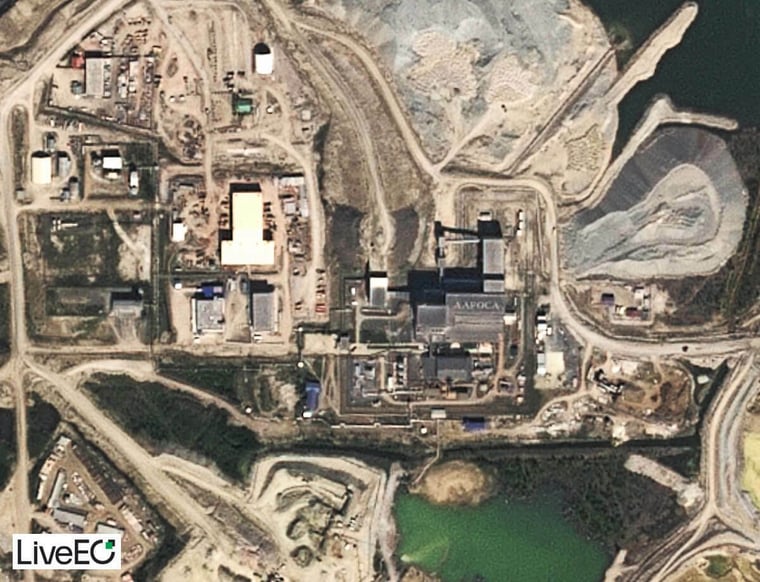
The years-long debate about sanctions and their loopholes has unsettled consumers. Diamonds are bought as a symbol of endless love and should not be associated with conflict or violence. To rule this out, only one origin has been considered safe in the last two years: the laboratory. There, the natural conditions below the earth’s surface are simulated. Under high pressure and high temperatures, the synthetic diamonds are grown in the reactor within a few weeks.