Editor’s Note
This article examines the recent surge in prices for colored gemstones, exploring the market dynamics and industry impacts behind this notable trend.
Colored gemstones, also known as non-jade gemstones, encompass all gemstones except jadeite and nephrite, such as rubies, sapphires, emeralds, aquamarines, and tourmalines. Since the beginning of this year, the market has witnessed a significant surge in the prices of colored gemstones. What are the underlying reasons, and what impact does this have on the industry?
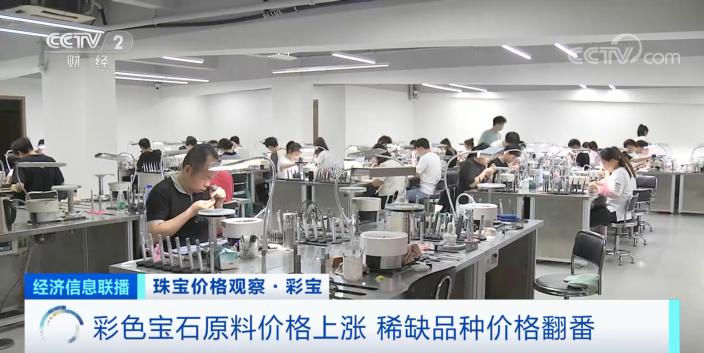
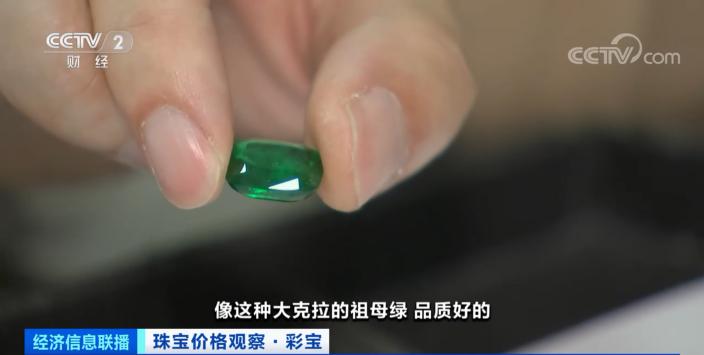
Panyu, Guangzhou, is one of China’s two major colored gemstone processing and sales centers. In Daluotang Village, Panyu, there are approximately 500 companies engaged in the colored gemstone business. Liu Zilong’s company, which primarily supplies raw materials for colored gemstones, is also located here. He informed reporters that in recent times, the prices of colored gemstones have risen sharply, especially for relatively rare large-carat stones.
Liu Wenhui, with over 20 years of experience in the colored gemstone industry, currently mainly sells cut colored gemstone roughs to downstream companies. He told reporters that this round of price increases started from the source, with the cost of raw ore purchased from foreign mining areas already rising. The first to increase were niche and scarce colored gemstones.
Liu Wenhui analyzed that the reasons for the price hike in colored gemstones, besides the supply-demand mismatch, include the currently promoted refined cutting techniques within the industry, which increase raw stone wastage and lead to higher per-carat prices. Simultaneously, a large influx of capital has also driven up gemstone prices.
During interviews, many industry insiders expressed concern about the sharp rise in colored gemstone prices, believing the industry urgently needs to build a stable supply chain.