Editor’s Note
This article discusses the shifting landscape of the diamond industry, highlighting the growing market presence of lab-grown alternatives and the strategic responses from major players like De Beers.
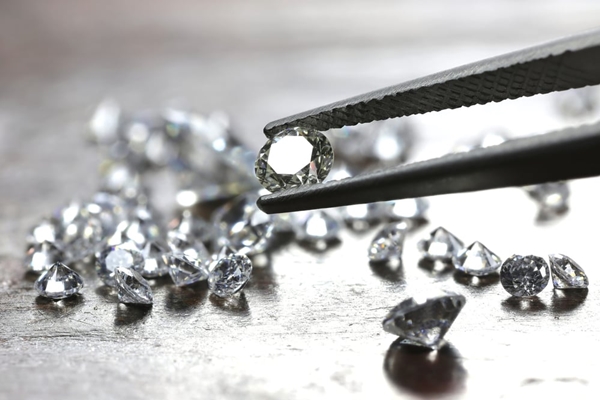
Recently, the multinational lab-grown diamond brand ‘Unsaid’ launched a glamorous pop-up store on the first floor of the Paris Printemps department store. Additionally, the French luxury group LVMH has begun introducing lab-grown diamonds at its brand ‘Tiffany’, while the world’s largest diamond company ‘De Beers’, which hesitated but first introduced lab-grown diamonds this year—a cheaper alternative difficult for experts to distinguish from natural ones—has recently declared a halt to the venture as natural diamond prices plummet sharply, indicating a cautious stance in the high-end jewelry market.
De Beers has decided to postpone offering synthetic diamonds for engagement rings as lab-grown diamonds continue to erode the demand for natural diamonds.
The diamond industry leader, De Beers, had long refused to sell gemstones produced in laboratories but changed its stance in 2018 and began testing lab-grown diamond sales in the crucial engagement ring segment this year. However, it recently declared a halt to sales, stating that the lab-grown diamond market has proven unsustainable.
This move by De Beers comes as stones used in popular, affordable 1-2 carat solitaire bridal rings in the US have experienced a much steeper price decline than other segments due to competition from low-cost lab-grown diamonds.
De Beers explained that the current situation is a natural post-pandemic demand reduction, with engagement rings being particularly vulnerable. It acknowledged some penetration of synthetic stones into this category but does not view it as a structural change.
Lab-grown diamonds (synthetic stones physically identical to natural ones, producible in a microwave chamber within weeks) have long been considered an existential threat to the natural mining industry. The lab-grown diamond sector has emphasized its ability to offer a cheaper alternative without the environmental or social drawbacks associated with natural diamonds.
While prices for some natural stones used in lower-quality engagement rings plummeted last year, the drop in synthetic stone prices has been even more precipitous. De Beers expects lab-grown diamond prices to continue falling as more supply enters the market.
The LVMH group has begun showcasing watches and jewelry containing laboratory-produced diamonds to customers of its brand ‘Tiffany & Co.’ to test luxury buyers’ interest in using top-tier artificial stones in the market.
Another LVMH high-end jewelry brand, ‘Fred’, has presented a new high-end jewelry set over the past few weeks, centered around an unusual blue-hued synthetic diamond evoking the sea, inspired by the founder’s nautical roots, surrounded by natural white diamonds, through private appointments at its Paris flagship store (Rue de la Paix).
It emphasized that one piece, a €240,000 (approximately 340 million KRW) necklace, features a half-carat blue synthetic diamond, a color that took years to develop.
Within the sprawling luxury empire, Frederic Arnault, CEO of ‘Tag Heuer’ and one of the five heirs to the LVMH group, unveiled a $90,000 watch earlier this year featuring a crown made with a 1.3-carat pink lab-grown diamond, showing a trend of using lab-grown diamonds in the brand’s most expensive watches.