Editor’s Note
This article details a 2018 collaboration by industry leaders to establish end-to-end traceability for minerals, starting with a key tin mine in Peru. It highlights early efforts to bring greater transparency and responsibility to global supply chains.
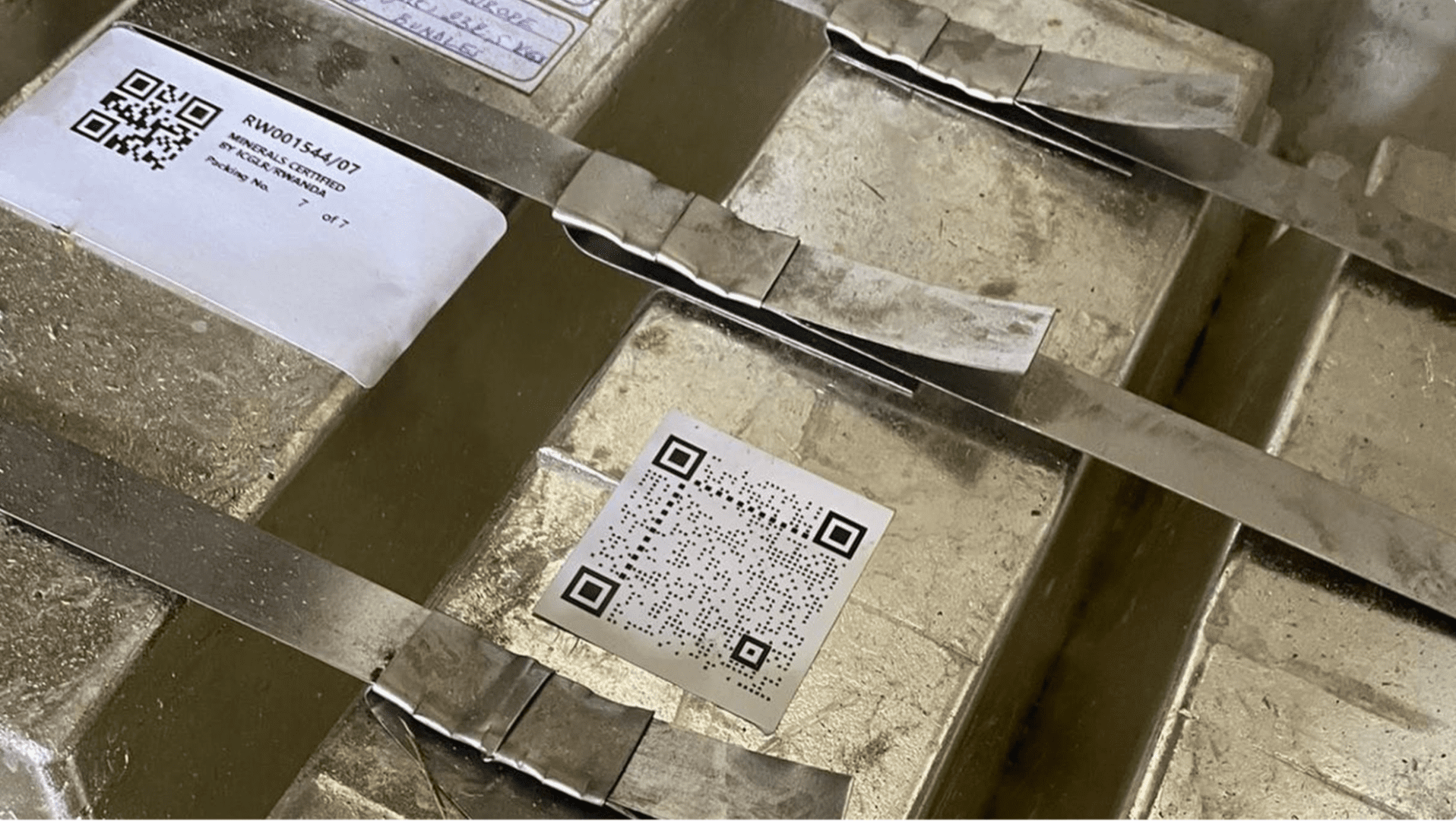
In 2018, members of the Responsible Minerals Initiative, including Cisco, SGS, Volkswagen, and Peru’s Minsur, collaborated to launch a plan aiming for end-to-end mineral traceability. For the first phase, Minsur’s San Rafael mine was selected, which produces approximately 6% of the world’s tin supply.
In the initial stages of the project, success was prioritized, and mining companies that already ensured transparency were selected. The San Rafael mine supplies tin to companies worldwide due to its large deposits of high-quality tin.
While many blockchain projects target small-scale, high-risk mining sites rather than large mines, this project chose a large mine for protocol testing and compliance with audit standards. This allows for later fine-tuning of the tools and potential deployment to small-scale mining sites and different industries. Furthermore, by establishing a model capable of handling complex situations through this project, it is expected to be applicable even in high-risk regions.
In the future, the aim is to popularize the implementation of blockchain systems from large mines to small-scale mining sites, transforming traceability from an “exception” to the “norm.”
In 2019, with cooperation from Berlin-based Minespider, the second phase of building traceability using blockchain began in Rwanda’s Great Lakes region.
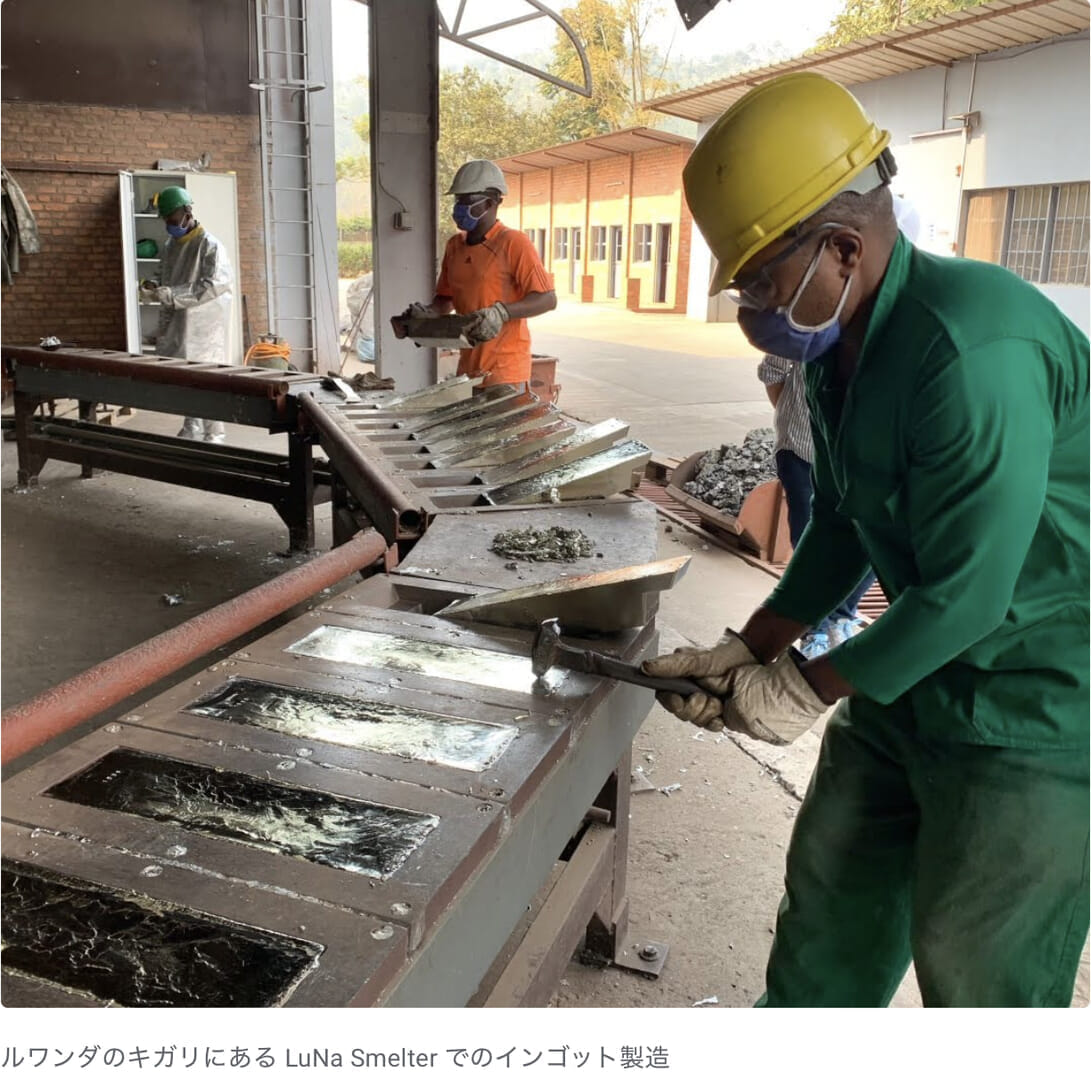
In the second phase of the 2020 pilot project, Minespider partnered with Rwanda’s LuNa Smelter and the Rwanda Mines, Petroleum and Gas Board. This partnership aimed to achieve end-to-end traceability in Rwanda’s Great Lakes region. LuNa Smelter, as the only tin smelter in Africa compliant with the RMI’s Responsible Minerals Assurance Process (RMAP), produces high-quality tin in a responsible manner.
In the second phase, the blockchain protocol provided by Minespider was adopted, enabling tracking throughout the entire process from the mine to the consumer. The three key goals emphasized were:
– Assisting smelters and mines in more efficiently complying with international regulations using Minespider’s blockchain-based OreSource tool.
– Testing the interoperability of various digital traceability tools and ensuring data privacy to improve the efficiency of information exchange.
– Demonstrating the expansion of traceability scope to include not only large mines but also resource-limited small-scale mines.
The implementation of the EU Conflict Minerals Regulation in 2021 strictly restricted the import of minerals potentially linked to human rights abuses or funding conflicts in their countries of origin. This regulation requires companies to strengthen their responsibility in eliminating conflict minerals and in aspects such as occupational safety and health, community rights, and environmental protection, demanding strict compliance. However, the increased burden and high costs of due diligence have placed small-scale miners, in particular, in a difficult situation.
Blockchain technology is gaining attention here. The adoption of distributed ledger technology ensures transaction transparency across the entire supply chain, improving tamper prevention and fairness in data access. It also holds promise for enhanced protection of intellectual property rights.
Minespider’s blockchain-based OreSource tool, tested in the second phase, demonstrated its potential as a means for mines, smelters, and traders to efficiently comply with sourcing regulations.
In the second phase of the project, Rwanda’s LuNa Smelter used OreSource to generate QR codes, which were attached to shipments. This allowed downstream inspectors to scan the codes and view a list of the tin’s processing and distribution stages.
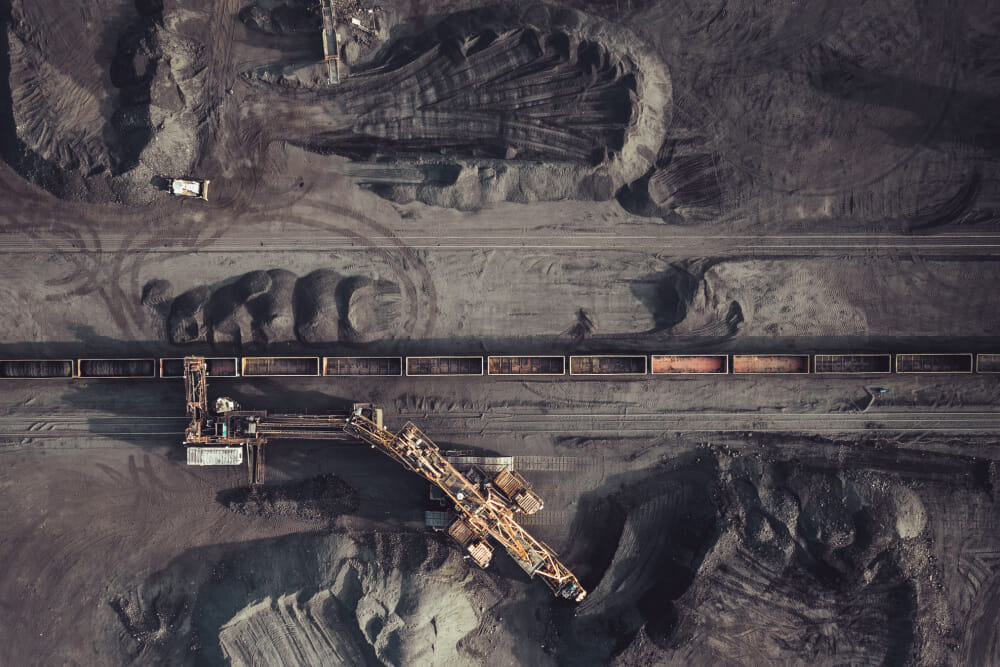
This QR code contains information such as shipment details, weight, raw material quality, number of ingots, and the smelter’s compliance status, and data on the origin of the raw materials and each mining site can also be checked. In the next step of the project, LuNa Smelter plans to laser-engrave QR codes directly onto the metal.
Data uploaded to the blockchain includes confidential information required by the industry, such as invoices and processing/distribution documents. This data is difficult to share in traditional supply chains, and tracking becomes more complex as participating companies increase.
LuNa Smelter places importance on due diligence, and its level is expected to improve through participation in the project. In the future, it will be possible to record raw material data per gram and data on all mining sites on the blockchain.
A challenge for small-scale mines in conflict regions is the lack of means to prove responsible sourcing of metals. To solve this, integration into large supply chains is necessary.
Nathan Williams, founder of Minespider, aims to improve process transparency and provide due diligence information while minimizing the financial burden on companies. In the process, the plan is to spread OreSource to as many mines (especially small-scale ones) as possible, scale up, and apply it to other metals.
In practice, LuNa Smelter has used QR codes generated by Minespider to ship over 200 tons of tin from Rwanda to the international market, tracking its distribution process. The ultimate goal of the project is not only to use the mineral traceability protocol within their own supply chain but also to provide an open protocol to improve traceability across the entire industry.
Under the EU Conflict Minerals Regulation, smelters are required to provide proof of “responsible mineral sourcing.” Therefore, the use and expansion of the blockchain-based traceability system “OreSource” developed by Minespider is needed.
Utilizing blockchain improves visibility and transparency across the entire supply chain, enhances operational efficiency, and is expected to reduce management costs. Additionally, as the authenticity of information is maintained, it is possible to maintain brand power for investors and consumers.
Due to these advantages, some companies are moving to introduce blockchain into conflict mineral supply chains, and related industry groups have also been established. In October 2019, the “Mining and Metals Blockchain Initiative” was launched with the support of the World Economic Forum (WEF), with participation from companies handling minerals and metals from 26 countries.
As the number of minerals subject to conflict mineral regulations increases, the next focus is on “cobalt.” Cobalt is crucial as a raw material for lithium-ion batteries in mobile phones and electric vehicles (EVs), with about 60% mined in the Democratic Republic of Congo. However, approximately 20% of that comes from small-scale mining sites where ethical production cannot be verified.
In particular, over 40,000 children are reported to be working in these mining sites, with serious human rights abuses pointed out by international human rights NGOs.
Due to the importance of cobalt, the consortium “RSBN: Responsible Sourcing Blockchain Network” was established by RCS Global, with participation from Ford, Volkswagen, Chrysler, Volvo, LG, IBM, and others. In Japan, Minna Denryoku announced in June 2020 the construction of a traceability platform utilizing blockchain technology aimed at increasing transparency in the cobalt supply chain.
While general consumers may not usually think about what minerals are used for or where they are mined, they likely understand that gems and rare metals are imported from overseas. However, in countries of origin, risks such as funding for armed groups and human rights issues like child labor exist, and cases of opaque supply chains are not uncommon.
Blockchain-based traceability for conflict minerals records the entire process from the mining site to the smelter and product shipment, ensuring visibility across the entire supply chain and the reliability of information. As SDGs are promoted globally, initiatives utilizing blockchain are predicted to increase in the future.