Charting a Fashionable Future: How Logistics is Reshaping the Industry

Editor’s Note

This article examines the profound disruptions caused by the COVID-19 pandemic to global manufacturing and logistics in 2020-2021, highlighting cascading effects on supply chains and international trade.

“Air cargo has proved to be the first-choice method of transport for time-sensitive supply chains, but this may not necessarily be reflected in retail fashion as the normalization of sea freight schedules is expected to cause a decrease in air cargo loads.” -Ed Gillett, CharterSync
The Pandemic’s Disruptive Impact

The Coronavirus pandemic temporarily grounded production cycles, disrupted global supply chains, and brought the transportation industry to a grinding halt in 2020 and early 2021. This led to the shutdown of major raw material exporters like China, Bangladesh, Vietnam, and India, stalling international logistics. The movement of raw materials, finished products, and non-essential retail stalled, resulting in the postponement and cancellation of orders worth billions and delayed payments.

The Rise of Decentralization and Digitalization

As supply chains slowly recovered, significant shifts occurred. Fashion logistics that typically relied on sea routes increasingly turned to air transport. The disruption also accelerated trends like inventory decentralization, digitalization, sustainability, and slow fashion.
Christoph Scheithe, Key Account Manager and host of the PlanetLogistics platform and ‘Joy of Logistics’ Podcast, told The STAT Trade Times:
“Online shopping grew tremendously during the pandemic leading to an increase in decentralized warehousing as opposed to stores attached to a small warehouse. Small/local brands are slated to grow and attack big brands due to the ‘death of distance’ which means that distance is no longer a crucial factor because freight rates make it affordable to bridge it with different modes of transport.”
Charting a fashion‘able’ future

He further explained:

“It is no longer mandatory to have the whole inventory located in multiple stores across one country. Now, it is sufficient to keep everything connected to logistics infrastructure including fulfillment centers and smaller warehouses in a certain geographic area. Also, ‘lot number orders’ are being delivered directly to home addresses. This allows startups and small brands to dramatically increase their market expansion with the help of international parcel services.”
Air Cargo’s Crucial Role

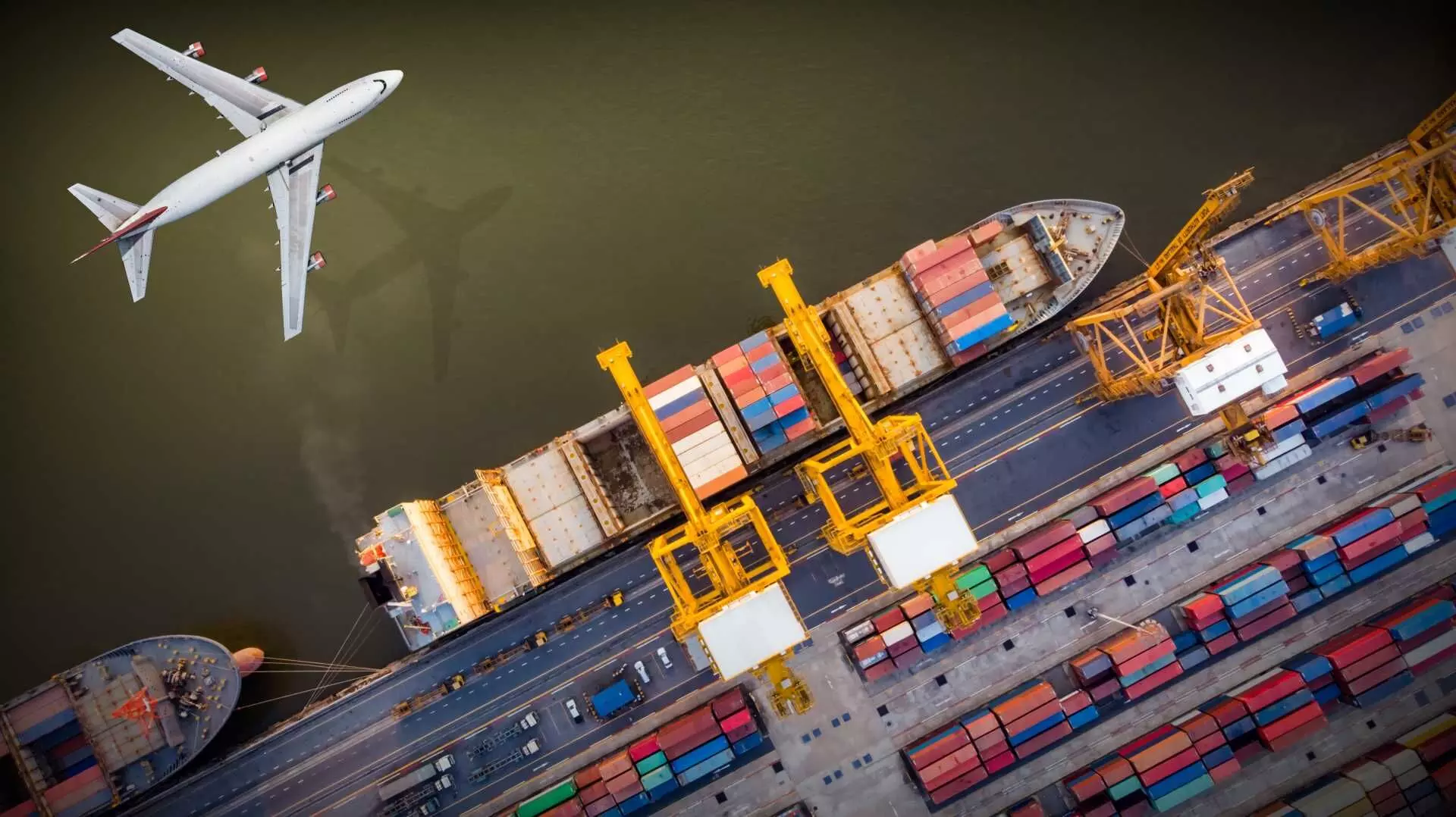
Air cargo became a vital, reliable option for the fashion industry, especially for sudden demand surges, time-critical, valuable, and delayed orders.
Ed Gillett, Director and Cofounder of digital air cargo charter firm CharterSync, stated:

“During the pandemic, air cargo proved its value to fashion logistics by providing speed and reliability against a backdrop of port congestion and other sea freight issues. While the return of sea freight is prompting a modal shift back, air cargo’s role as a supply chain solution during the pandemic has had a lasting impact on expectations for faster consumer goods timelines.”
“Small/local brands are slated to grow and attack big brands due to the ‘death of distance’ which means that distance is no longer a crucial factor because freight rates make it affordable to bridge it with different modes of transport.” -Christoph Scheithe, PlanetLogistics
The Shift Back to Sea Freight and Market Pressures

As global supply chains normalized, fashion merchandise has been moving back to ships. With air cargo markets under increased pressure in 2023 due to macroeconomic and geopolitical factors, yields and revenues are expected to weaken compared to 2022. For instance, leading retailer Victoria’s Secret has reportedly shifted from air to sea freight to reduce costs.
According to the International Air Transport Association (IATA), global air cargo volumes are slated to decline by 4% in 2023, following an 8.1% fall in 2022. Revenues are expected to be $149.4 billion. Yields are expected to decrease as passenger market recovery increases belly capacity, though e-commerce continues to benefit the sector.

The Cost Challenge and Future Outlook

Akhil Duggar Jain, Executive Director of Jain Amar Clothing Pvt Ltd (owner of the Madame brand), highlighted the challenges of demand and production volatility. He told the publication:

“In order to transfer goods, implement Just In Time, and shorten lead times, air cargo is a dependable and practical solution. But, as we are now settling into the post-pandemic world, we are also seeing hyperinflation already making the cost of production high. Therefore, to make air transport a viable option and integrate it into the supply chain, it is needed that the cost is brought down as per the requirements. If fashion companies are able to provide customers with the product and follow the fast fashion cycle because of air freight, then this can become a crucial factor in fashion logistics.”
“Just in time orders have become a norm for small businesses and order sizes have continued to reduce.”  -Bhavik Chinai, BVC Logistics
Full article: View original |
⏰ Published on: January 27, 2023