Editor’s Note
The diamond market is undergoing a significant transformation. As this article details, the price of natural diamond rough has fallen sharply over the past year, a shift largely attributed to shifting consumer preferences and the rapid rise of lab-grown alternatives. This trend highlights a pivotal moment for the traditional diamond industry and raises important questions about value, sustainability, and the future of luxury.
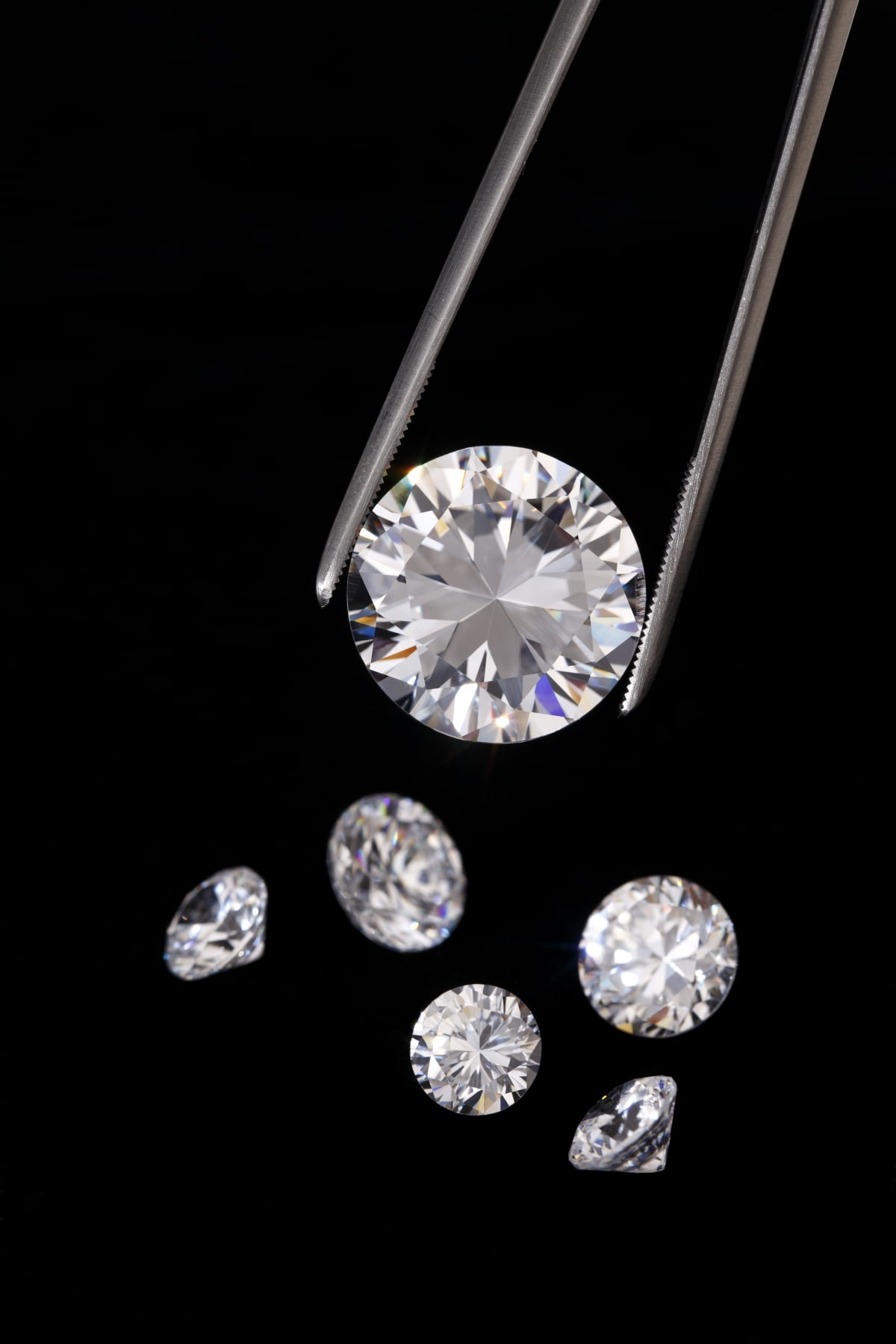
Natural diamond prices have been plummeting over the past year. This is due to decreased demand, pressured by the onslaught of lab-grown diamonds manufactured in laboratories. As the lab-grown diamond market gradually expands, forecasts suggest that demand for diamond rough will decrease even further.
According to Bloomberg on the 3rd (local time), De Beers, the world’s largest diamond rough supplier, lowered the price of its ‘Select Makeables’ diamond rough for wedding rings to $850 per carat (approximately 1.12 million won) at the end of July this year. This represents a 15% price cut over the month of July alone. This product had been priced above $1,400 per carat (approximately 1.84 million won) until June of last year. The price has fallen by about 40% in one year.
De Beers has historically refrained from lowering natural diamond prices to maintain stable diamond rough prices. In the market, the price drop is seen as unusual due to the nature of natural diamonds.
The expansion of the lab-grown diamond market is cited as a reason for the drop in natural diamond prices. Lab-grown diamonds are created in high-temperature, high-pressure facilities that mimic the natural diamond formation process. Initially, they were used to produce industrial diamonds. After repeated technological advancements, they were applied to low-cost jewelry.
The market began to restructure as lab-grown diamonds started being used for wedding rings. Single-stone diamond rings of 1-2 carats are highly popular for engagement rings in the United States. The customer base is broad, but buyers are highly price-sensitive. Jewelry retailers have actively expanded their lab-grown diamond product lines to meet this consumer demand.
In reality, the share of lab-grown diamonds in India’s diamond exports swelled to 9% in June this year. This is an 8 percentage point increase from the 1% range five years ago. India is the largest diamond processing country, accounting for 90% of the global diamond processing market share.

Consumers are also increasingly substituting natural diamonds with lab-grown ones. According to diamond market research firm Edahn Golan Diamond Research & Data, the sales share of lab-grown diamonds compared to natural diamonds surged from 2.4% in 2020 to 9.3% this year. Investment bank Liberum Capital analyzed that, by volume, lab-grown diamonds account for 25-35% of sales in the United States.
There is also analysis that De Beers’ own move in 2018 to create and sell lab-grown diamonds cheaply influenced the expansion of the lab-grown diamond market. The interpretation is that as De Beers lowered the price of its lab-grown diamonds to differentiate them from its natural diamonds, it led to further market expansion.
De Beers maintains that the influence of lab-grown diamonds is not significant. De Beers argues that demand for natural diamonds decreased as the post-COVID-19 revenge spending ended.