Editor’s Note
The classic diamond solitaire is facing new competition. As this article highlights, colored gemstones like sapphires, rubies, and emeralds are capturing a growing share of the engagement ring market, reflecting a shift in consumer preferences toward personalization and unique design.
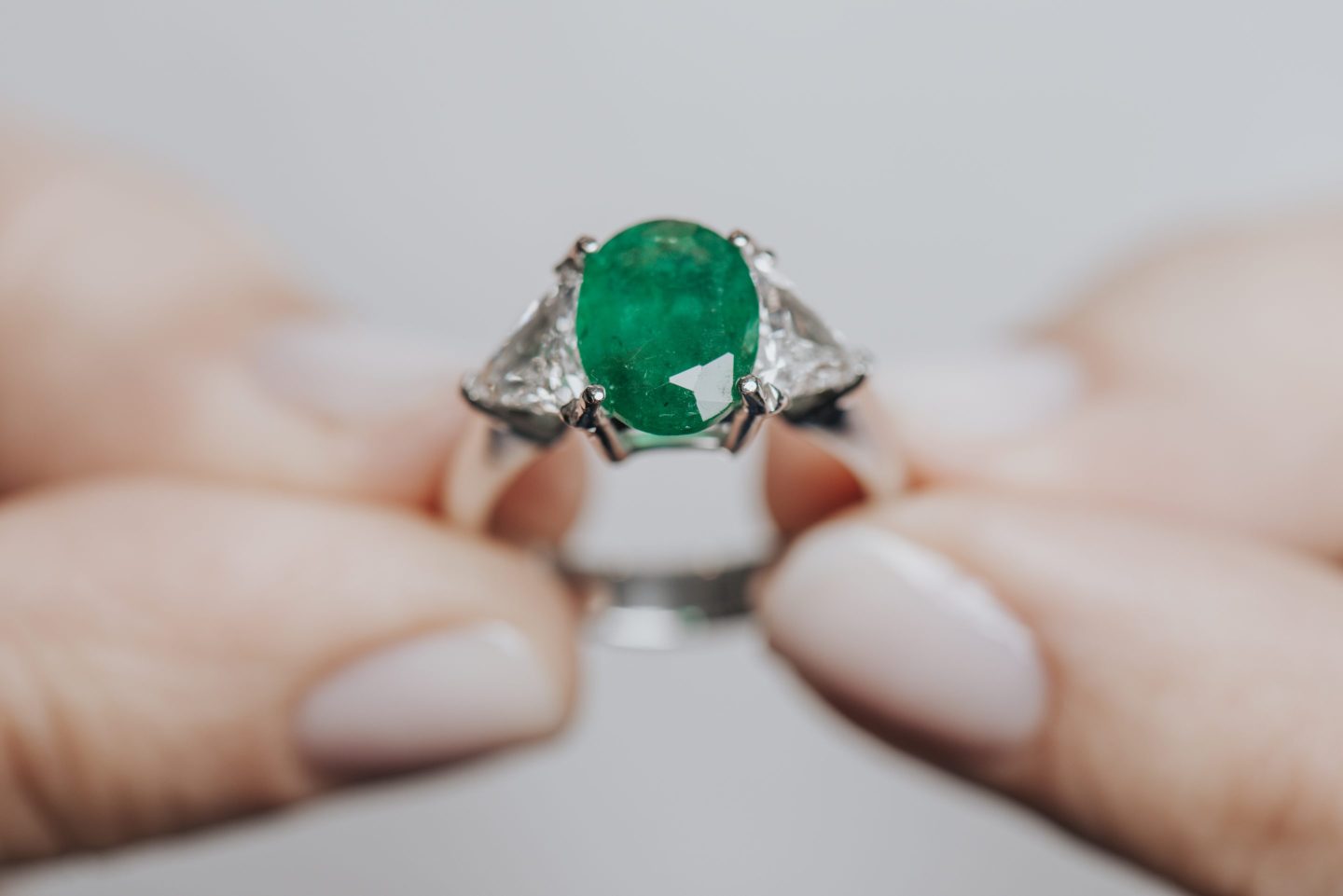
Diamonds are a girl’s best friend—or at least, they used to be. Today, hopeful fiancés are increasingly being proposed to with a tourmaline, an emerald, or a sapphire instead.
More than 15% of engagement rings currently on the market are colored gemstones, up from about 5% a decade ago—and “sapphires and rubies” are hot right now, says Ankur Daga, founder and CEO of fine jewelry e-commerce company Angara.
By comparison, the compound annual growth rate of the S&P 500 stock index is 10.5% over the past three years.

Some would even chuck in their traditional diamond solitaire ring in favor of something more on trend: Angara’s research found that more than 20% of people would upgrade their engagement ring to a colored gemstone—such as Princess Diana’s famous blue sapphire style or even a pink diamond—if they could.
On TikTok, the hashtag #emeraldengagementring has amassed nearly 37 million views; meanwhile, sapphire engagement rings have piqued the interest of over 65 million viewers.
Even when searching the generic term, engagement rings, many of the top viewed videos show off “alternative” and “non-tradition” styles.
Though people are increasingly turning to lab-grown diamonds, because they’re supposedly more sustainable than the mined alternative, 75% of customers shopping for colored gemstones still prefer natural, Daga said.
Why are gemstones gaining popularity?
Despite Gen Zers and millennials claiming to be the most conscientious generations yet, none of the jewelers CNBC spoke to mentioned climate change as a factor behind their shifting preference from clear diamonds to colorful gemstones.
Instead, they cited a movement towards individuality and a more personalized approach, with birthstones becoming an increasingly popular choice to propose.
At the same time, young people today are increasingly witnessing their favorite celebrities sport colored gemstones: When Ben Affleck proposed to Jennifer Lopez for the second time, he popped the question with a green diamond because it’s the singer’s “lucky color.”
Meanwhile, Victoria Beckham has upgraded her engagement ring—for the 15th time, no less—from a traditional transparent diamond to its yellow sister.