Editor’s Note
This article explores how luxury brands are adopting digital passports—secure, non-duplicable tools accessible via QR codes or NFC chips—to provide consumers with verifiable information on a product’s origin, production, and sustainability.
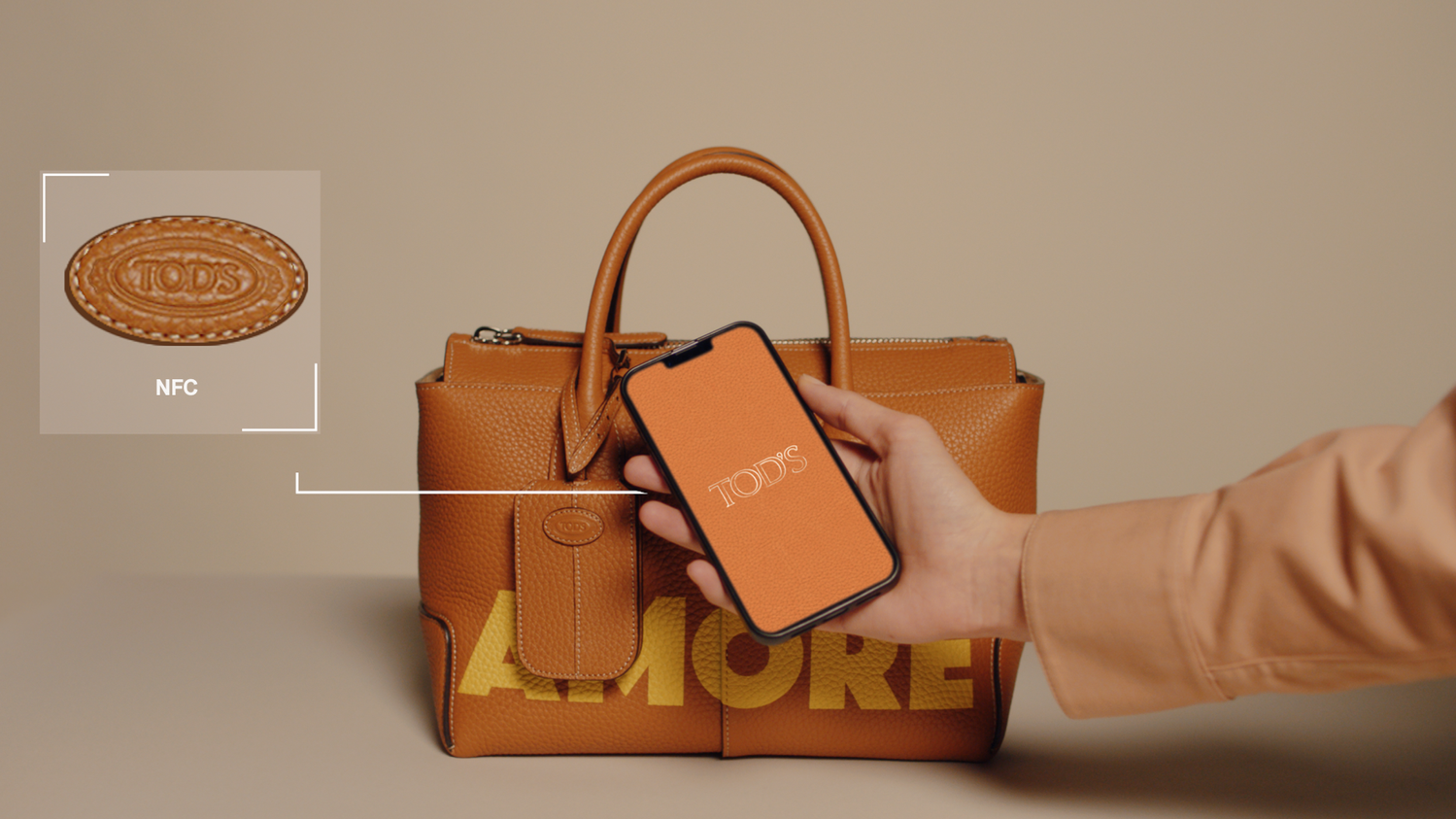
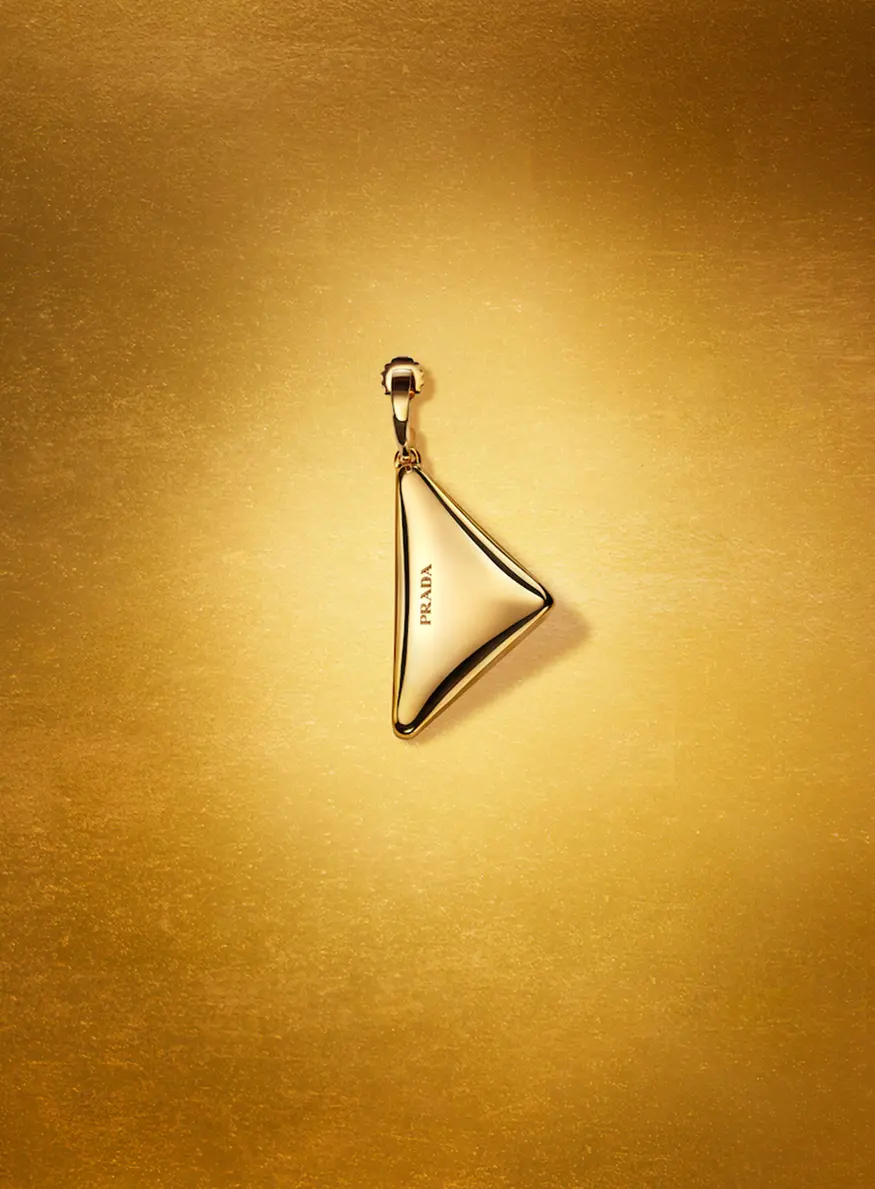
What do Loro Piana’s André shirt, Tod’s Custom di Bag, and Prada’s sustainable Eternal Gold jewelry line have in common? All these items have their own digital passport.
Typically accessible via a QR Code or an NFC chip, this secure digital tool aims to allow consumers to learn more about a product’s origin, whether it’s the source of raw materials, the various production stages, or its environmental footprint.
Non-duplicable and unforgeable, it also enables the establishment of ownership certificates, a high-value-added service in the growing second-hand market: on one hand, it provides the seller with tangible proof of possession and authenticity of the item; on the other, it aims to create bridges between the brand and the item’s owner, including in case of resale, to set up ad hoc communications: offering repair services, personalization…
Last May, just three years after its official launch, Aura already claimed more than 40 million “luxury” stamped products on its private blockchain.

Aura now counts around forty members, primarily from the worlds of fashion, jewelry, watchmaking, automotive, and spirits. Last July, the consortium notably welcomed the German luxury brand MCM.