Editor’s Note
This article discusses the acquisition of Italian luxury jeweler Buccellati, citing analyst estimates that place its annual revenue at around €50 million. The information highlights a significant transaction within the high-end jewelry sector.
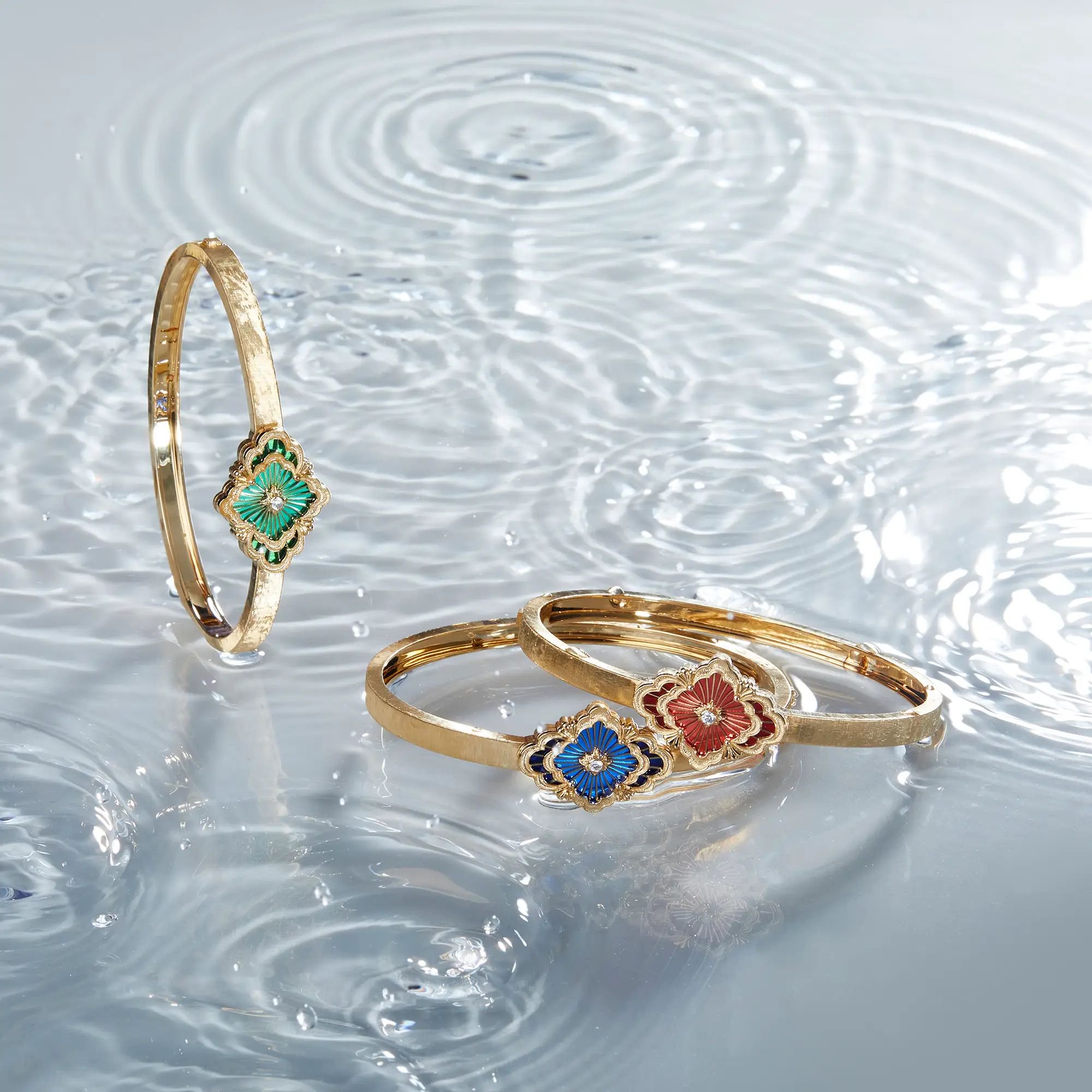
According to recent reports, the Italian high-end jewelry brand Buccellati has been acquired. Based on analysis by Bernstein investment bank analyst Luca Solca, Buccellati’s annual revenue at the time of acquisition was approximately 50 million euros (about 390 million RMB).
According to statistics from Buccellati’s official website, the brand currently has 19 stores in Asian markets outside of Japan, with 16 of those located in Greater China, including 5 stores in the Hong Kong, Macau, and Taiwan regions. Additionally, Buccellati has opened 1 and 2 stores in Singapore and South Korea respectively in recent years. In Japan, although Buccellati entered the market much earlier than other Asian countries, it only regained its operating rights in 2020 and opened its first directly operated store in Tokyo in 2021.
Buccellati’s scale indeed differs from that of Cartier and Van Cleef & Arpels. As a leading global high-end jewelry brand, Cartier possesses a highly developed and comprehensive retail network worldwide. Van Cleef & Arpels, which has shown remarkable development in recent years, has also gradually developed a mature retail network, especially in the Asian market, during its rise to the top tier of jewelry brands.
According to statistics from Van Cleef & Arpels’ global official website data, in the Asian market, Van Cleef & Arpels has 20 retail stores in Japan and 13 in South Korea. In the Chinese mainland market, Van Cleef & Arpels has 33 brand-direct retail stores, covering 22 cities, basically covering first-tier, second-tier, and key provincial capital cities.
The number of Van Cleef & Arpels retail stores in the mainland market is exactly three times that of Buccellati’s store count. Since opening its first Chinese store in Shanghai’s Huanlong Plaza in November 2017, Buccellati currently has 11 boutiques in the mainland market, located in 7 cities: Beijing, Shanghai, Sanya, Chengdu, Shenzhen, Nanjing, and Hangzhou. Among them, Shanghai, with 3 Buccellati boutiques, is currently the mainland city with the most brand stores.
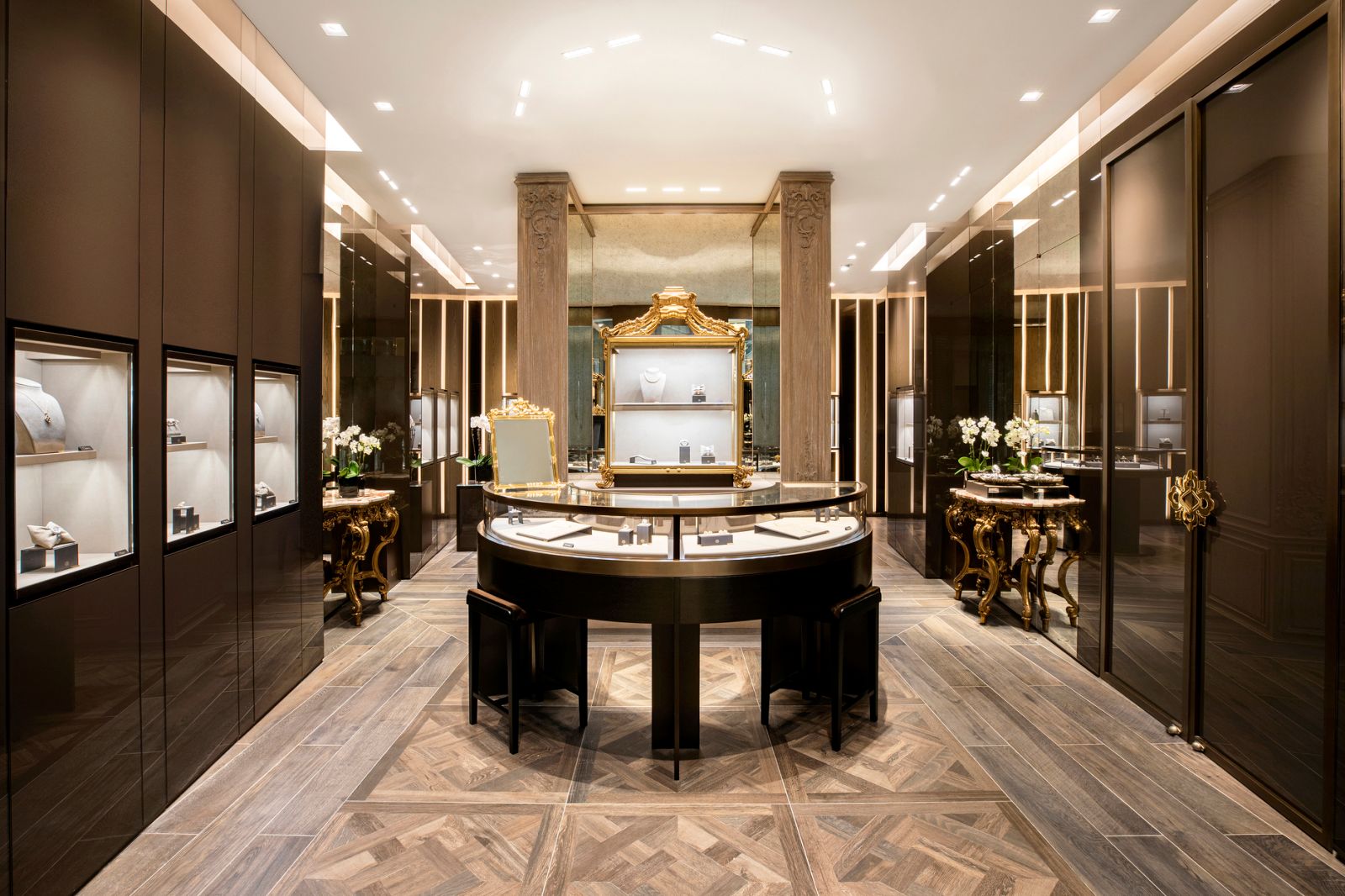
However, despite the gap in business scale and market penetration compared to leading brands, this does not hinder Buccellati from delivering an outstanding performance report. For the 2023/24 fiscal year ending March 31, 2024, Buccellati, Van Cleef & Arpels, and Cartier together contributed 14.2 billion euros (approximately 109.612 billion RMB) in sales for the group’s jewelry department, with Buccellati achieving high double-digit year-on-year growth. This growth performance is not at all inferior to the other two brands.
Luca Solca previously predicted that Buccellati will continue to maintain high double-digit growth.
Although the total number of Buccellati stores in the Chinese market is not high compared to other luxury brands, it actually accounts for a relatively high proportion compared to Buccellati’s store numbers in other overseas regions. Buccellati’s senior management mentioned in an interview with “Huashang Magazine” at the end of 2023 that China has now become one of Buccellati’s largest markets.
It must be noted that although Buccellati does not have many stores in China, all store locations are concentrated in high-end shopping malls within the seven cities with the strongest high-end jewelry consumption power. This selection and store-opening strategy allows Buccellati to more accurately target customers with strong purchasing power and also enables the brand to better withstand risks during periods of sluggish luxury consumption and respond more flexibly to market changes.
Overall, Buccellati does not plan to expand rapidly in the mainland market. Luca Buccellati, the third-generation heir of the Buccellati family, stated to the aforementioned media that the plan is to open 3 to 4 more stores in the Chinese mainland market.
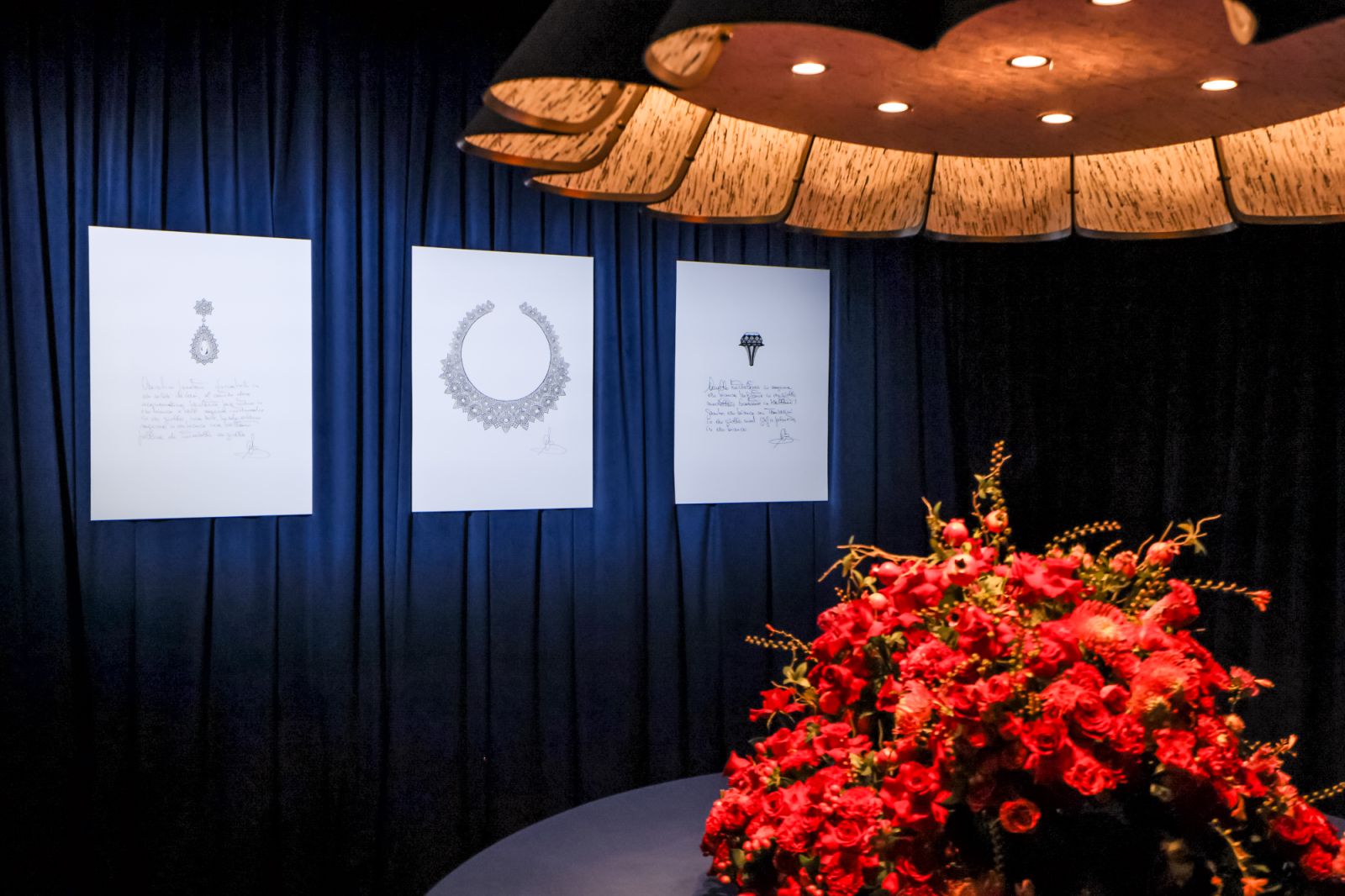
And this store-opening strategy will be further adjusted according to market conditions. The year 2024 is not a positive one for the luxury industry in the Chinese market. Even high-end jewelry brands that can maintain excellent growth amid the economic downturn and cautious consumption trends have felt the chill in the first three quarters of 2024. Therefore, most brands have slowed down their store-opening progress.
Buccellati’s third boutique in Shanghai just opened in September 2024, located in Shanghai’s Huanlong Plaza. This boutique is also the only new store Buccellati has opened in mainland China so far in 2024. The opening of this store in Huanlong was more a result of顺势而为 (going with the flow).
In fact, Buccellati has been opening pop-up stores in Huanlong every other period over the past two years, most recently in June 2024. This is a common practice among luxury brands. In order to secure an ideal location in a shopping mall, they are willing to wait for a long time and are not in a hurry to move in. Before officially opening a store, luxury brands establish contact with mall customers by opening pop-up stores, which is both a test of the mall’s consumption situation and a pre-heating for future formal stores.
The small and exquisite scale allows Buccellati to make relatively flexible adjustments in a market environment full of risks. The reason Buccellati currently maintains such a small and clever scale is, of course, constrained by production capacity.
After being acquired by the历峰集团 (Richemont Group), Buccellati is still managed with the participation of the Buccellati family descendants. They hold or participate in product design, brand craftsmanship, and overseas market sales. To this day, Buccellati’s jewelry is still entirely handmade. The brand’s workshop currently has over 100 craftsmen, which means jewelry production cannot be rapidly increased in a short time.
The Richemont Group has been helping Buccellati invest in building new workshops to expand production capacity. With the group’s support, Buccellati has also opened the “Accademia Buccellati” in Milan to recruit and train young jewelry craftsmen. But cultivating a new generation of artisans takes time. Before truly significantly increasing production capacity on a large scale, Buccellati cannot open more stores. In fact, under the existing retail scale, many customers already have to queue to purchase Buccellati jewelry works. In the aforementioned report, Luca Buccellati stated,
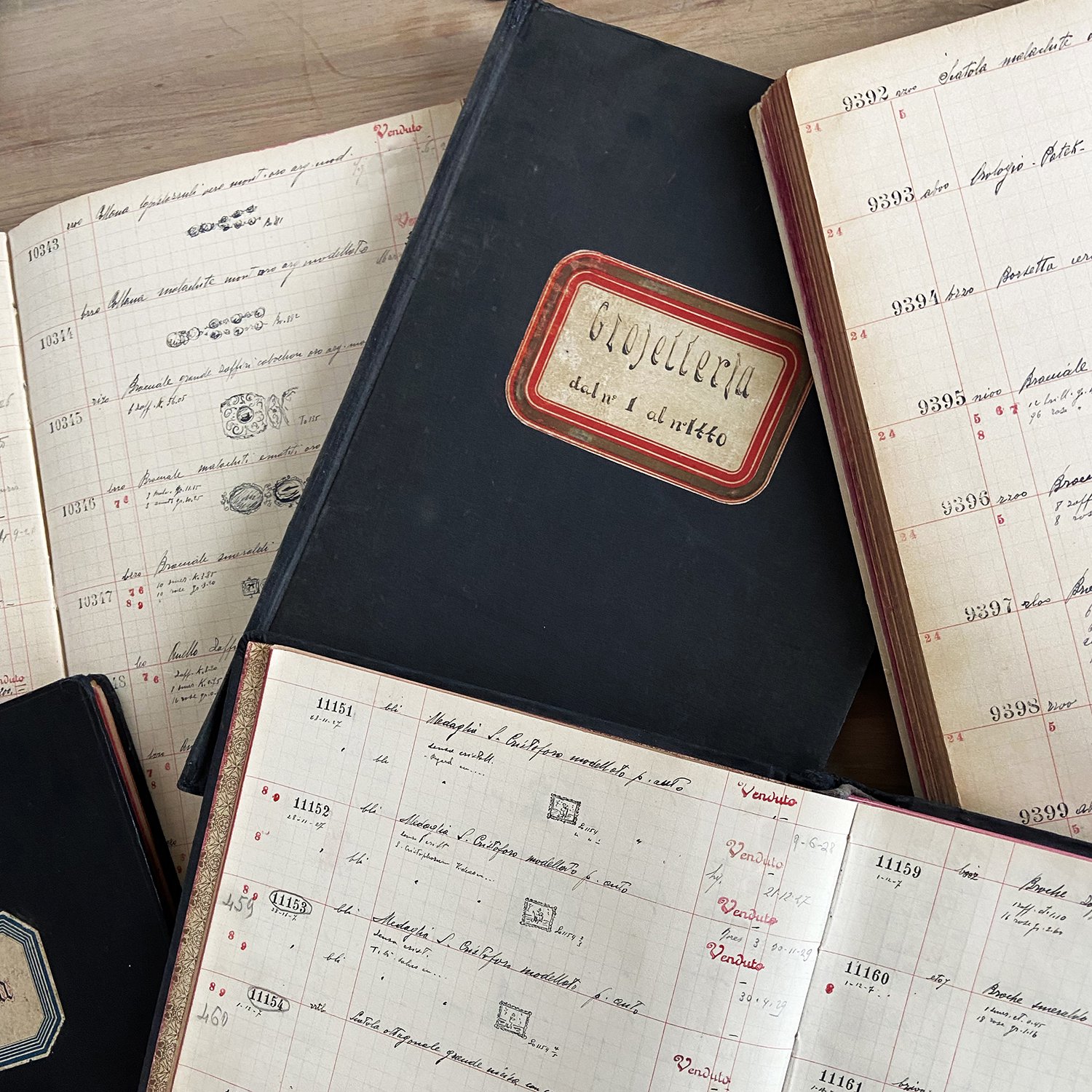
On the other hand, under limited production conditions, controlling the number of stores and allocation strategies can also keep the brand始终 (consistently) maintaining scarcity. Luca Buccellati stated that the reason for planning to open only a few more stores in the mainland is also to maintain the brand’s scarcity and high-end positioning.