Editor’s Note
This article examines the digital transformation reshaping Australia’s jewellery sector, focusing on the adoption of CAD/CAM tools that allow for intricate design and precise manufacturing.

SAMUEL ORD explores the rising popularity of CAD/CAM services and tools in the Australian jewellery industry.
Digital design and manufacturing services have taken the jewellery industry by storm over the past decade.
Computer Assisted Design (CAD) involves using specialised software to design intricate products in a digital format. This allows jewellers to create detailed 3D models, experiment with new designs, and make precise adjustments before progressing to production.
Computer Aided Manufacturing (CAM) is automated machinery that manufactures jewellery based on CAD designs. Examples include 3D printing of wax models for casting, CNC milling for precision cutting, and laser engraving for additional detail.
These technologies streamline the creation and production of jewellery, and the industry’s awareness of the capabilities and advantages these tools afford has slowly but surely risen. The abrupt surge in the ‘mainstream’ popularity of 3D printing undoubtedly accelerated interest.
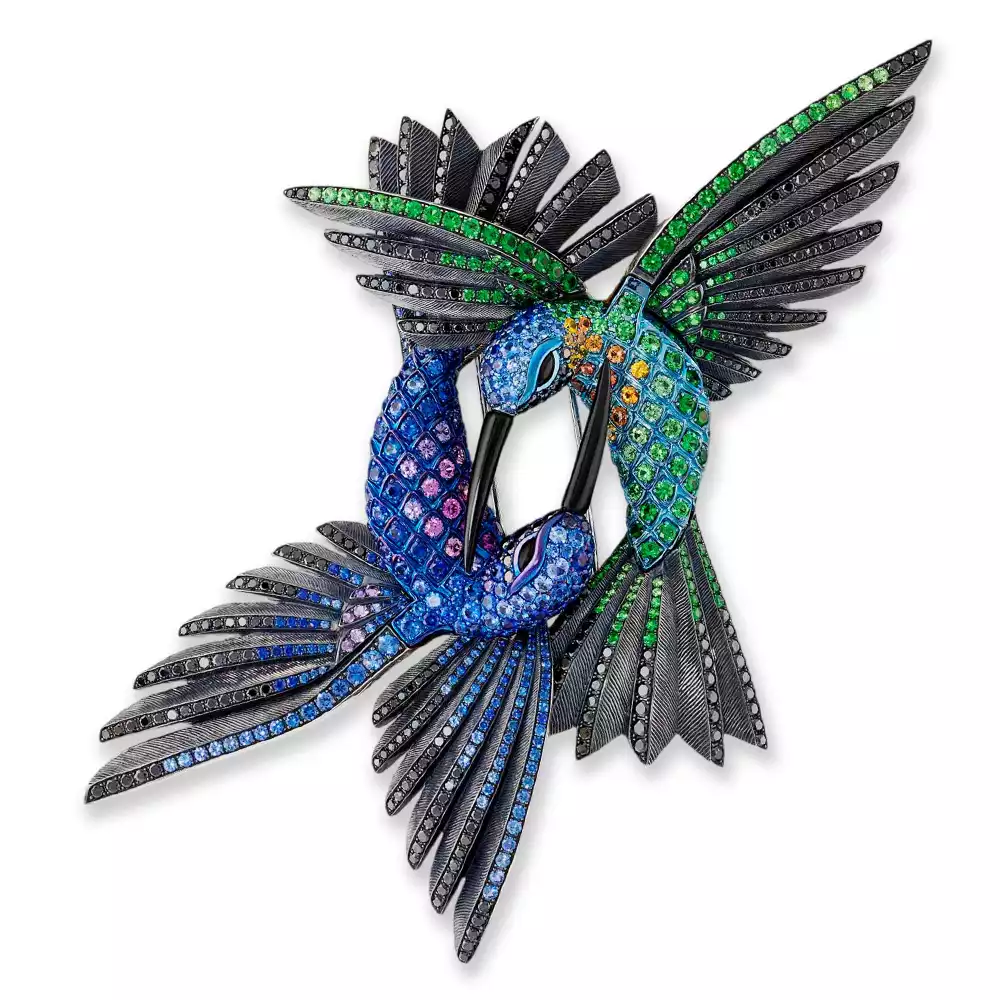
It’s been said that CAD/CAM technology has ‘revolutionised’ the industry by enhancing design precision, improving production times, and enabling greater creativity and customisation in jewellery creation.
One of the most significant changes in the industry regarding CAD/CAM services was the reduction of the costs required to use these manufacturing technologies. Once thought of as a strategy restricted to the largest companies, emerging cost-effective technology opened the doors wide.
CAD software allows jewellers to create and modify intricate designs easily. Retail jewellers can adjust designs to meet customer preferences, visualise real-time changes, and explore a broader range of creative options.
In other words, digital designs provide explicit visual representations of the final product, ensuring everyone is ‘on the same page’ regarding expectations.
Integrating CAD/CAM into the design and manufacturing workflow can reduce the need for multiple revisions and manual adjustments, streamlining the process from concept to product.
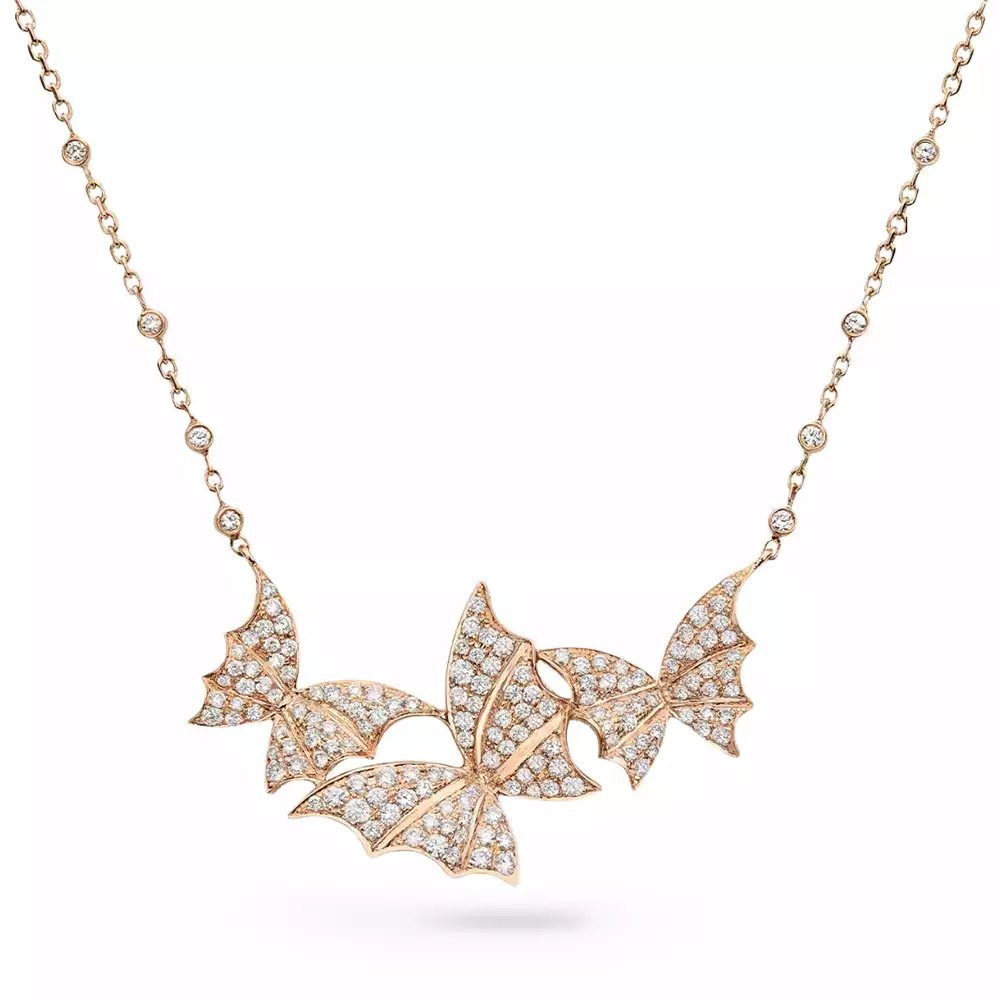
CAM technology is highly accurate and repeatable, improving efficiency in production by minimising manual labour and material waste.
The automation in CAM accelerates production, allowing retailers to complete custom orders and replenish stock quickly. This addresses a critical concern many jewellers share: time management.
With that said, it would be folly to pretend that emerging technologies only offer advantages!
CAD software and CAM machinery can be complex for some to understand and operate. Jewellers need to invest time and resources in training, and some experience a steep learning curve, which can temporarily disrupt their workflow.
Some have voiced concern that reliance on CAD/CAM systems can be problematic if unexpected technical issues or software malfunctions occur. Furthermore, emphasis on digital design and automated manufacturing may reduce the role of highly valued traditional craftsmanship and manual skills.
These include designers not fully grasping CAD requirements and tolerances, struggling to decide between resin and wax printers, and the need to produce jewellery in components for optimal quality – which isn’t always recognised.
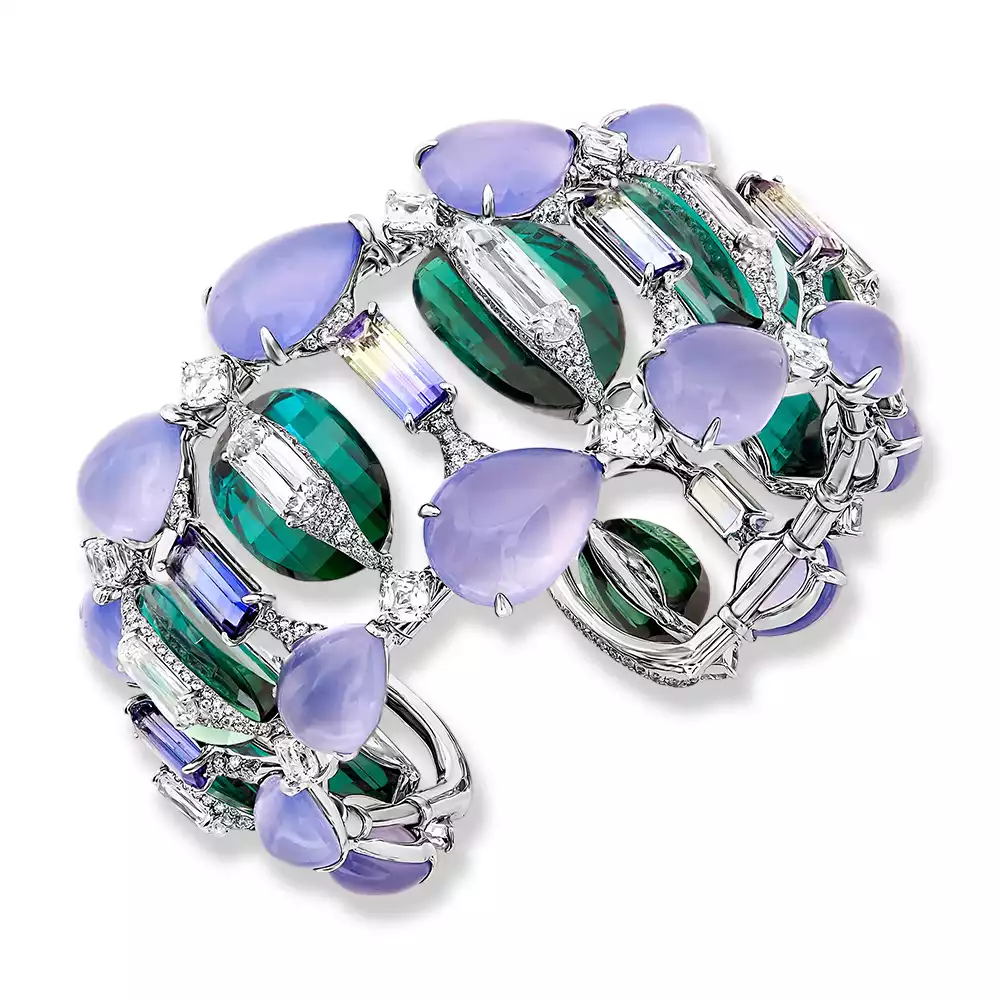
With that said, it’s clear that many of these potential ‘disadvantages’ are easily managed or resolved, while others are merely a matter of personal preference.