Editor’s Note
The iconic “diamond is forever” ideal is facing a modern reckoning. As consumer preferences shift towards gold, lab-grown alternatives, and colored gems, the traditional diamond industry finds itself at a crossroads. This article explores the multifaceted crisis, highlighting how changing tastes in China—a crucial market—are reshaping the global landscape for these once-unshakeable symbols of commitment.

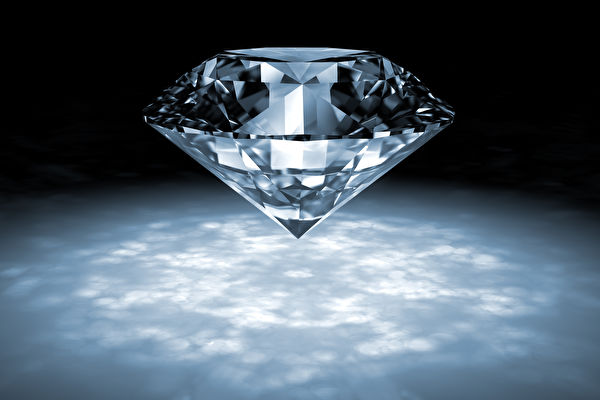
Diamonds are gemstones formed under high temperature and pressure deep within the Earth. (Shutterstock)
Anglo American, the majority shareholder of De Beers, plans to divest De Beers as part of a business restructuring after rejecting a takeover bid from BHP. Anglo American CEO Duncan Wanblad told the Financial Times that selling De Beers would be “the most difficult part” of the company’s radical restructuring.
According to a CNBC report, demand for diamonds has fallen as their appeal wanes in the key consumer market of China.
Data from Statista shows the Chinese diamond jewelry market was worth approximately $8.8 billion in 2022.
Market research firm Daxue Consulting stated that declining marriage rates and the growing popularity of gold and lab-grown gems have reduced Chinese demand for diamonds. Other factors affecting demand include sluggish income growth and a weak real estate sector. The end of COVID-19 lockdowns also led Chinese consumers to shift spending towards travel experiences rather than purchasing physical products, further impacting diamond sales.
According to official Chinese government data, China’s marriage rate hit a record low in 2022. The number of marriages plummeted from about 13.47 million in 2013 to 6.84 million in 2022. Younger generations prioritizing personal development and financial stability over marriage has led to reduced demand for engagement and wedding rings.
Daxue Consulting said Chinese newlyweds are increasingly turning to gold as an alternative investment, with rising gold prices driving a surge in gold jewelry consumption. Unlike diamonds, gold jewelry has deep cultural roots in Chinese weddings. For centuries, gold has symbolized wealth, prosperity, and good fortune in Chinese culture, while diamonds are primarily associated with Western traditions.
Gold prices rose steadily throughout 2023, often a sign of economic slowdown and surging demand for gold.
In contrast, diamond prices have fallen 5.7% year-to-date and are down over 30% from their 2022 peak, according to Zimnisky’s rough diamond index.
Ankur Daga, founder and CEO of jewelry e-commerce company Angara, said the preference for lab-grown diamonds is also a major factor driving down natural diamond prices.
Lab-grown diamonds are created in controlled environments using extreme pressure and heat, a process that replicates the forging of natural diamonds deep in the Earth’s mantle. The appeal of lab-grown diamonds is that they are about 85% cheaper than natural diamonds.
According to data provided by Zimnisky, lab-grown diamond sales have surged from 2% of the global diamond jewelry market in 2017 to 18.4% in 2023.
Furthermore, Daga said the purchase of diamonds as an investment is also declining. He noted that for the past 50 years, diamonds were seen as an asset and an inflation hedge. But with the sharp drop in diamond prices, this investment rationale has largely faded.
However, some experts are more optimistic.
He pointed out that diamonds are discretionary products, like other luxury items such as high-end watches and handbags, and require “creating demand.”
De Beers’ “2023 Diamond Insight Report” shows growing appeal for natural diamonds, with more Chinese women ranking them as the third most desired gift in 2023. However, Daxue Consulting noted a gap still exists between Chinese consumers’ purchase intent and their actual buying behavior.
Aggarwal added that this requires a cohesive marketing approach. Similarly, Zimnisky also believes meaningful industry marketing could transform the diamond market.