Editor’s Note
Our recent test of coffee pods reveals concerning results, with the majority failing to meet standards due to harmful substances and opaque supply chains. Out of 21 products, only one earned a “good” rating. Consumers are advised to choose carefully.

In our test, most coffee pods disappoint. The reasons are harmful substances and a lack of transparency in the coffee supply chain. Overall, 14 out of 21 products fail – only one brand is recommendable with a “good” rating.
In the test: 21 coffee pods with a “Crema” label, including products with organic certification. Only one product is recommendable with a “good” rating.
Problematic are the contaminants acrylamide, furan, and methylfurans. These are compounds that form during coffee roasting. Also under criticism: pesticide residues and aromatic mineral oil hydrocarbons (MOAH).
A coffee Crema tastes somewhere between espresso and filter coffee. The preparation in the pod machine is more akin to an espresso, as water is pressed under pressure through the ground coffee. However, the Crema is lighter roasted than an espresso, contains more water, and therefore tastes milder.
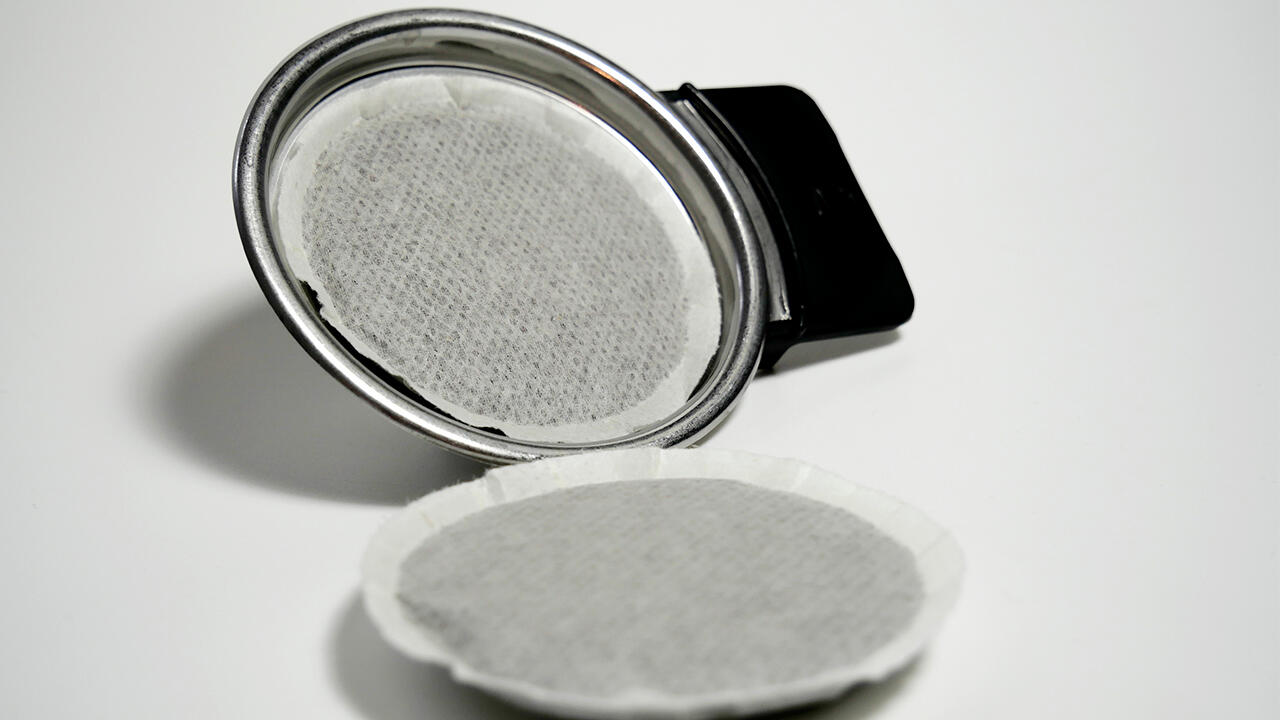
Its characteristic foam crown is created not only by the preparation method but also by the selection of beans: The addition of Robusta varieties with their high content of essential oils is said to make the Crema easier to achieve.
Coffee pods in the test: Aldi, Lidl, Senseo & Co.
Do the pods contain unwanted ingredients besides ground coffee? Our test shows: A striking number of products received point deductions due to harmful compounds formed during coffee roasting.
Acrylamide is a well-known problem in coffee. Nearly three-quarters of the pods utilize more than half of the EU guideline value for roasted coffee according to the lab report. Two even exceed the guideline value.
Acrylamide has been shown to be carcinogenic in animal studies and is considered genotoxic. It is bitter that the lab only found an acrylamide content in four test candidates that we classify as a “trace” and do not downgrade. Both in our test of espresso beans and ground coffee, there were significantly more products with low contamination.
Contamination with furan and methylfurans occurs even more frequently than acrylamide. These compounds can also form during roasting depending on temperature. In the finished coffee brew from all pods without exception, the lab measured levels of the furan group that we consider “elevated.”
According to the European Food Safety Authority (EFSA), furan and methylfurans can damage the liver in the long term; high doses of furan were even carcinogenic in animal studies. Assuming a daily amount of four small cups of coffee, all (!) products come too close to that furan threshold at which initial damage occurred in animal studies.
And the list of concerning residues in the tested coffee pods continues. Pest pressure in growing regions is increasing with higher temperatures in the coffee belt. In the test, pesticide residues were detectable in most of the coffee powders: primarily the weedkiller glyphosate; but we also encountered the bee-toxic insecticide acetamiprid and the reproduction-toxic fungicide cyproconazole.
The latter no longer has any authorization for cultivation in the EU. Although all measured levels are only in the trace range, we still classify these three pesticides as “particularly concerning.” Due to unknown interactions, we also criticize it when a coffee powder contains two or more residues.
Particularly annoying: The lab also detected glyphosate in organic coffees. How is that? The total herbicide destroys the habitat of insects and birds, contributes to the loss of our biodiversity, and a possible carcinogenicity is still debated. Glyphosate is prohibited in organic farming.