Editor’s Note
This article examines the critical challenge of reducing greenhouse gas emissions across the luxury supply chain, from raw materials to final packaging. It highlights the persistent difficulties in making sustainable practices both steady and viable, setting the stage for a deeper discussion on the expectations versus the realities for brands pursuing certification and genuine change.

Greenhouse gas (GHG) emissions are an essential consideration for Positive Luxury’s sought-after Butterfly Mark. From raw material sourcing to distribution, every stage of production has significant emission factors. Smelting, refining, cutting, polishing, and packaging production persist as areas where companies struggle to cut back on emissions in a steady and viable manner.
The expectations and realities of jewellery and luxury brands pursuing sustainability is more debated than ever. Coinciding with the release of Positive Luxury’s The Future of Jewellery & Watches report, WatchPro and Professional Jeweller spoke to CEO Amy Nelson-Bennett about the state of sustainability and the nuances of company strategy in pursuing the sustainability certifier’s coveted Butterfly Mark.
When it comes to sustainability in any industry, there are persisting structural obstacles to progress the cause. This is especially true of the jewellery industry, an area defined by its complex and, at times, nebulous supply chain. A majority of jewellery businesses do not have full control over their supply chain, especially at the raw materials stage of production. Such restrictions make consistent and reliable tracing of precious metal and gemstone origins an impossibility.
Environmentally and socially, jewellery production is a taxing industry on a global scale, and more and more designers and manufacturers are waking up to the financial (and existential) reality of global warming. Sustainable practice certifier Positive Luxury is addressing this, analysing the state of current industry efforts and contextualising widespread sustainability goals against what has been done so far by companies to achieve these ends. The Autumn edition of its The Future of Jewellery & Watches report takes a look at key aspects of the debate, the impact of lab-grown diamonds on the market, and the practicalities of specific case studies, including Tiffany & Co. The ultimate end goal? Future-proofing.
The industry’s heavy reliance on natural resources — like gold, platinum, silver, diamonds, and gemstones — incur a substantial environmental toll. The report identified numerous areas of high impact on nature as a result of mining, including water use, terrestrial ecosystem use, freshwater ecosystem use, GHG and non-GHG emissions, and water and soil pollutants. Considerations from the industry’s leading companies that directly address these concerns remain fundamental to any and all efforts towards reforming manufacturing and distribution chains with an environmental mindset.
Undertaking substantial change starts with stronger management of each stage of production. However, the perceived complexity surrounding the industry’s supply chains has led to a pervading lackadaisical attitude from its players, big and small.
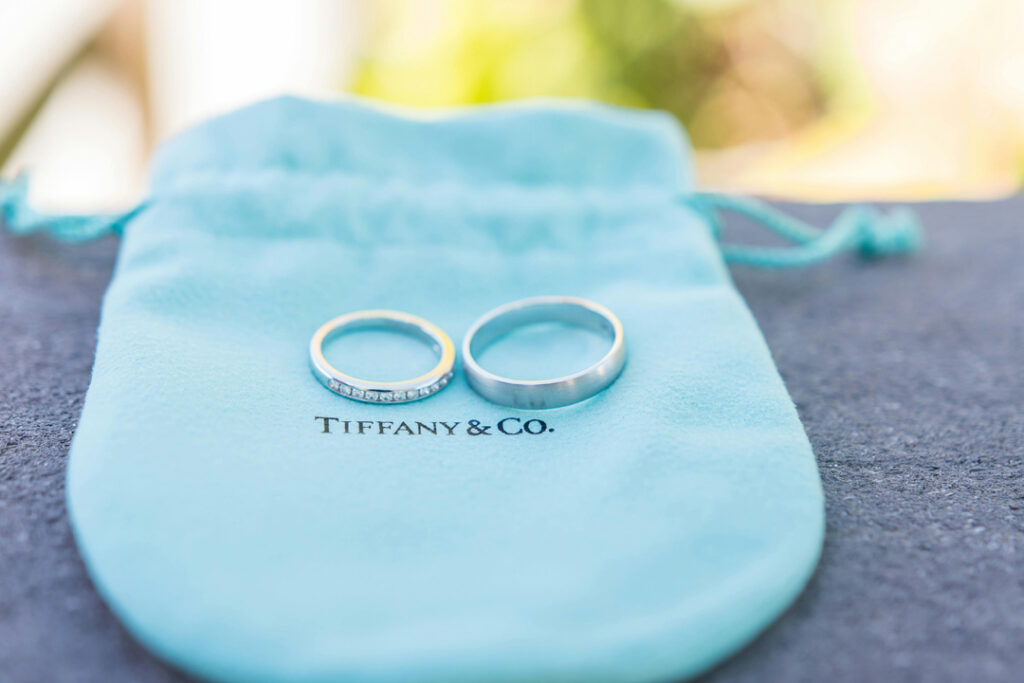
As part of its report, Positive Luxury puts forward a case study of Tiffany & Co. The iconic New York-based luxury House has pledged to reach net-zero greenhouse gas emissions across its operations and supply chain by 2040. While this lofty commitment has been shared by countless industry peers, analysing company progress in the early, incremental stages is crucial to Positive Luxury’s mission statement.
Tiffany & Co was the first luxury jeweller of its kind to receive approval from the Science Based Targets initiative’s (SBTi) net-zero standard back in 2023. Setting a near-term carbon footprint reduction target of 2030, the jeweller has aimed to cut operational emissions by 70% and reduce supply chain emissions by 40%. Its 2040 target is to reduce Scope 1, 2, and 3 emissions by 90%, with the remaining 10% addressed through high-quality carbon removals via investments in natural-based solutions.

Tiffany & Co’s strategy involves a three-pronged approach. Chiefly, the company is targeting substantial emissions cuts throughout operations, ranging from raw material sourcing and supplier engagement to transport logistics relating to retail stores, offices, and employee travel. It also aims for 30% of its retail floor space to achieve Leadership in Energy and Environmental Design (LEED) Silver certification or higher by 2025 (12% of Tiffany’s retail floor space achieved accreditation in 2022). Finally, Tiffany & Co is pursuing stronger direct involvement in biodiversity and community empowerment, with investment in the conservation and restoration of 4,000 square kilometres of critical ecosystems in Kenya’s Chyulu Hills.
Fostering relationships with the communities living in mining areas is an especially pertinent topic. Companies that are increasing their efforts to engage locally and benefit indigenous people are acutely aware of combating the stereotypical notion that a big company will come in, exhaust a mine for all its worth, and leave a husk in its wake.