Editor’s Note
The Met Gala is far more than a celebrity red carpet; it’s a multi-billion dollar economic engine. This article explores how the event generates immense value, energizing a vast ecosystem of luxury brands, designers, and service industries far beyond the museum’s steps.
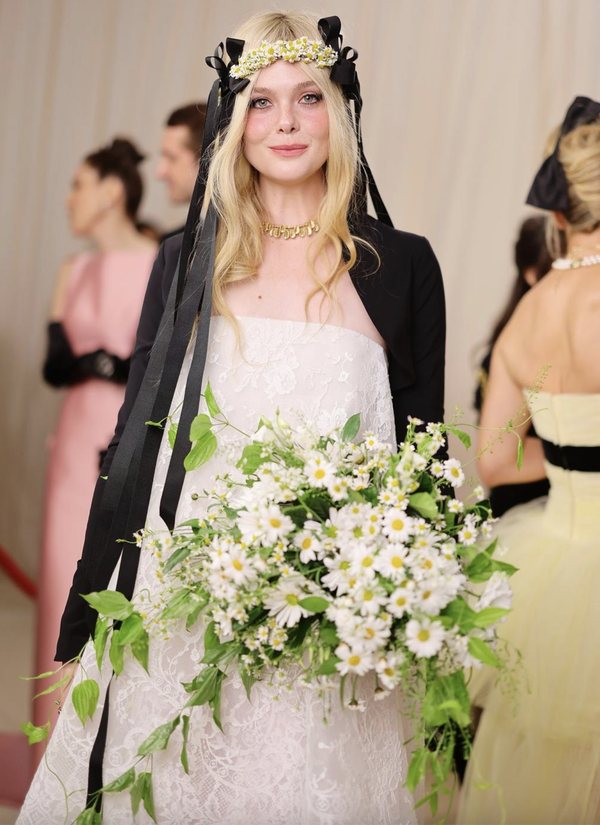
The Met Gala, boasting billions of social media views, is injecting vitality not only into celebrities but also into designers, luxury brands, hotels, and all kinds of businesses. It is an event for both fans and the business industry. While celebrities meet with stylists, makeup artists, dermatologists, and personal trainers to prepare for the Met Gala, hotels and restaurants welcoming them are also bustling. Along with various services like vehicle services and floral arrangements, various luxury brands in fashion, jewelry, and beauty are also paying attention to the Met Gala.
According to influence analysis firm Launchmetrics, last year’s Met Gala generated a value of $995 million (approximately 1.35 trillion Korean won) in just 48 hours across a total of 115,919 online placements. The Media Impact Value (MIV) of the top four brands at the 2023 Met Gala, which honored Karl Lagerfeld, were Chanel (150 billion won), Fendi (approximately 43.5 billion won), Valentino (approximately 32.6 billion won), and Gucci (approximately 27.1 billion won).
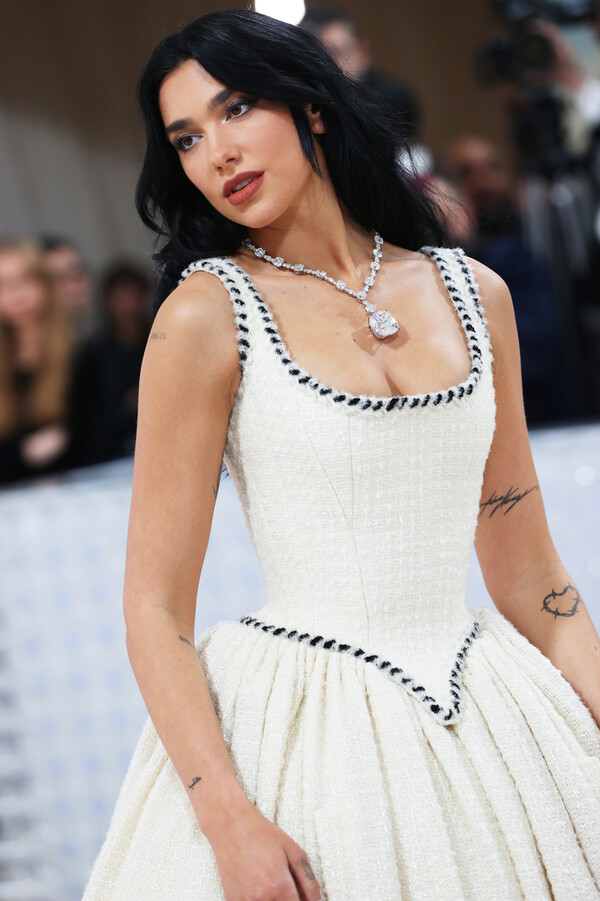
Numerous stars showcased looks designed by Karl Lagerfeld during his time at Chanel, Fendi, and Chloé, as well as tribute outfits to his cat Choupette, on the Met Gala red carpet. The vintage Chanel outfit worn by Dua Lipa alone generated $1.4 million (approximately 1.9 billion won) in revenue from media impact value.
This year’s Met Gala exhibition is titled ‘Sleeping Beauties: Reawakening Fashion,’ with the official dress code being ‘The Garden of Time.’ Fashion brands know that a star wearing their products during a luxury downturn like the present creates high value, so they have poured effort into red carpet outfits.
He added, “The Met Gala is overshadowing the Oscars and Grammys. The Oscars and Cannes are award ceremonies famous for film, the Grammys for music, while the Met Gala is an event focused on fashion.”
Ahead of the Met Gala, the number of celebrities visiting New York for several days has also surged dramatically. This has injected vitality into New York and significantly impacted the hotel, shopping, and food industries.
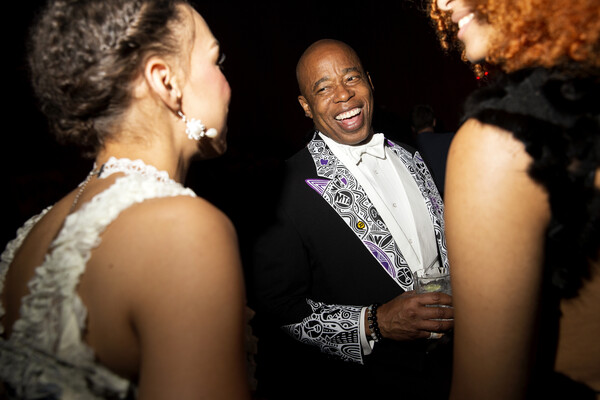
Brands across various price points dream of participating in the Met Gala. This year, based on the ‘Sleeping Beauties’ exhibition, one can see dresses inspired by or actual vintage pieces from brand couture. Anya Taylor-Joy wore a Dior dress at the Oscars, created with a motif from a 1949 dress. This holds significant meaning in distinguishing major heritage legacy brands from others.
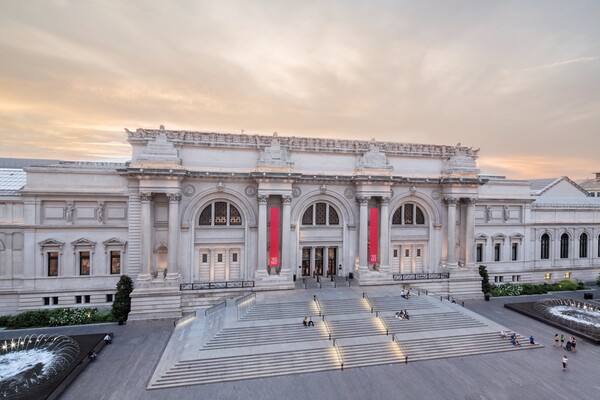
Meanwhile, this year’s Met Gala is an essential event for the Costume Institute, the annual fundraising gala for the museum’s fashion department led by Anna Wintour. Over $223.5 million (approximately 300 billion won) has been raised to date.
The intense interest in the Met Gala is expected to create high business value and help attract visitors to the Costume Institute. Additionally, it positively impacts tourism. Tourism and museums are key to the city’s economy, with 62 million visitors coming to the city in 2023. Even more visitors are expected this year.
A spokesperson for New York City Hall stated, “Globally famous New York art and culture, and major events like the Met Gala, are driving approximately $74 billion (approximately 100.7 trillion won) in economic activity for New York. We look forward to everyone showing their best at the Met Gala, held in the world’s greatest city, New York.”
As in past years, hundreds of people are expected to visit the Upper East Side area to see artists attending the Met Gala. Retailers, restaurants, and businesses located on the Upper East Side cannot hide their expectations for the positive flow the Met Gala will bring.
On the Upper East Side, finding accommodations for celebrities, agents, managers, and makeup artists is becoming increasingly difficult. Nearby hotels are fully booked around the Met Gala period. The Mark Hotel, known as a hub for celebrities and designers, is no exception. Accommodations are already sold out, and restaurants are being booked early.
Along with The Mark Hotel, The Standard, The Lowell, The Carlyle, and The Bowery Hotel have also completed preparations to welcome guests. The Lowell Hotel is also fully booked.
Along with hotels, various other businesses like beauty salons and florists are also bustling due to the influence of the Met Gala. Hair salon Oscar Blandi, which moved to The Plaza seven months ago, reported a 10-15% increase in reservations ahead of the major event. Florist Ovando, which receives many orders from celebrities, also saw a 40% increase in sales over two days.
Food is no exception. BonBon, which provides candy to celebrities, is receiving significant attention, recording 42.1 million views on TikTok due to the Met Gala’s influence. Rosanna Scotto, who operates the restaurant Fresco by Scotto, forecasts a 20-30% increase in sales this week.
Luxury underwear brand Commando, which provided undergarments for major award shows including the Met Gala, and Jared the Galleria of Jewelry also hope to gain significant exposure to consumers through the media.
Shapewear brand Spanx has also benefited from the Met Gala red carpet.
Stylist Michael Fisher of The Wall Group said events like the Met Gala are “an opportunity to push yourself and grow as a creative person.” Michael Fisher gained attention by dressing Sebastian Stan in Pierpaolo Piccioli’s pink PP Valentino collection.
The Met Gala, the biggest event in the American fashion industry, occupies a large slice of the business industry pie, including not only fashion but also beauty, hotels, and food. Attention is focused on whether the economic value of the 2024 Met Gala can surpass last year’s $995 million (approximately 1.35 trillion won).