Editor’s Note
This column from Ingo Wolf of the Osmium Institutes examines the profound and unexpected challenges reshaping the global diamond market, highlighting its shifting geopolitical and economic foundations.
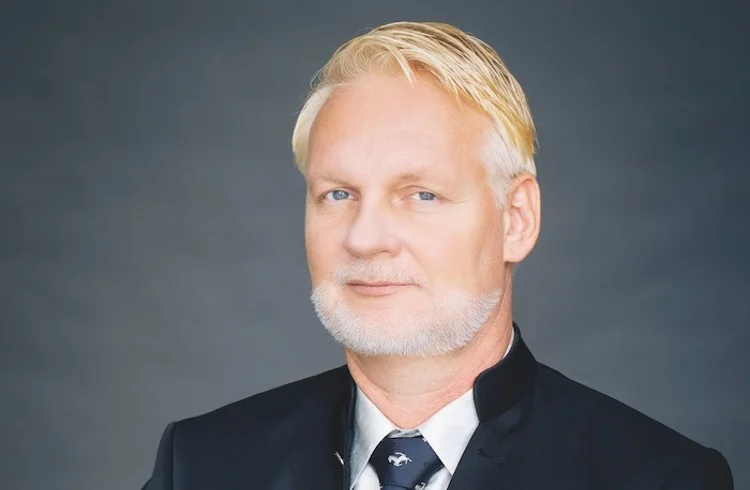
In this exclusive column for Forbes France, Ingo Wolf, Director of the Osmium Institutes, explains why the diamond, once a crucial precious stone for Russia, is now at the heart of unexpected upheavals, confronting the diamond market with seemingly insurmountable challenges.
Sergei Ivanov, former CEO of Alrosa, the Russian diamond mining company, claims that “no one can replace us.” However, the diamond industry is vulnerable, especially in these times of economic crisis and conflict.
As stated by the German financial magazine Wirtschaftswoche:

Russia’s production of rough diamonds is, however, heavily disrupted by the emergence of synthetic diamonds, creating a crack in the financing of Russian armaments, which until now was considered relatively unshakable in the face of Western sanctions.
These diamonds, also called “Lab Grown” or “Man Made diamonds,” have great clarity and are equal or even superior to diamonds found in nature. They cost only a fraction of the price of natural diamonds, all without child forced labor or excessive exploitation of the earth’s crust mines.

The global diamond market is in turmoil: major diamond mine operators are assessing the potential impacts of their closures, and diamond dealers are looking for alternatives. Why should a producing country buy via Russia if it can organize production itself? The reactions of major groups such as De Beers will be closely watched in the coming months, especially since most are already in the red.
Time is running out, the value of natural diamonds is decreasing rapidly, and even threatens the profitability of existing investments. In the long run, costume jewelry will be adorned with real diamonds, which will mark the end of this market. It is in this context that crystalline osmium, established as a valuable substitute for both high jewelry and material investments, asserts itself as a superior value alternative.
This precious metal, aligned with ESG-M standards, paves the way for a secure and unalterable market, thus addressing growing concerns related to the long-term viability of natural diamonds, accentuated by the rise of synthetic diamonds. For raw material producers in Russia and for the Russian diamond trade in Africa, this means that in the months and years to come, mined diamonds will leave the country for less and less money, and the revenues of states that come from diamonds will dry up.

The market, turning towards crystalline osmium, offers a crucial alternative for traders and nations that have historically derived their income from diamonds. This transition, if it accelerates with the support of thousands of investors, could not only transform the market but also contribute to the collapse of the war financing industry in Russia.