Editor’s Note
Lab-grown diamonds are gaining mainstream traction, driven by celebrity endorsement and a growing consumer focus on value. As this article explores, demand is particularly strong for larger, high-carat stones, signaling a significant shift in the luxury market.
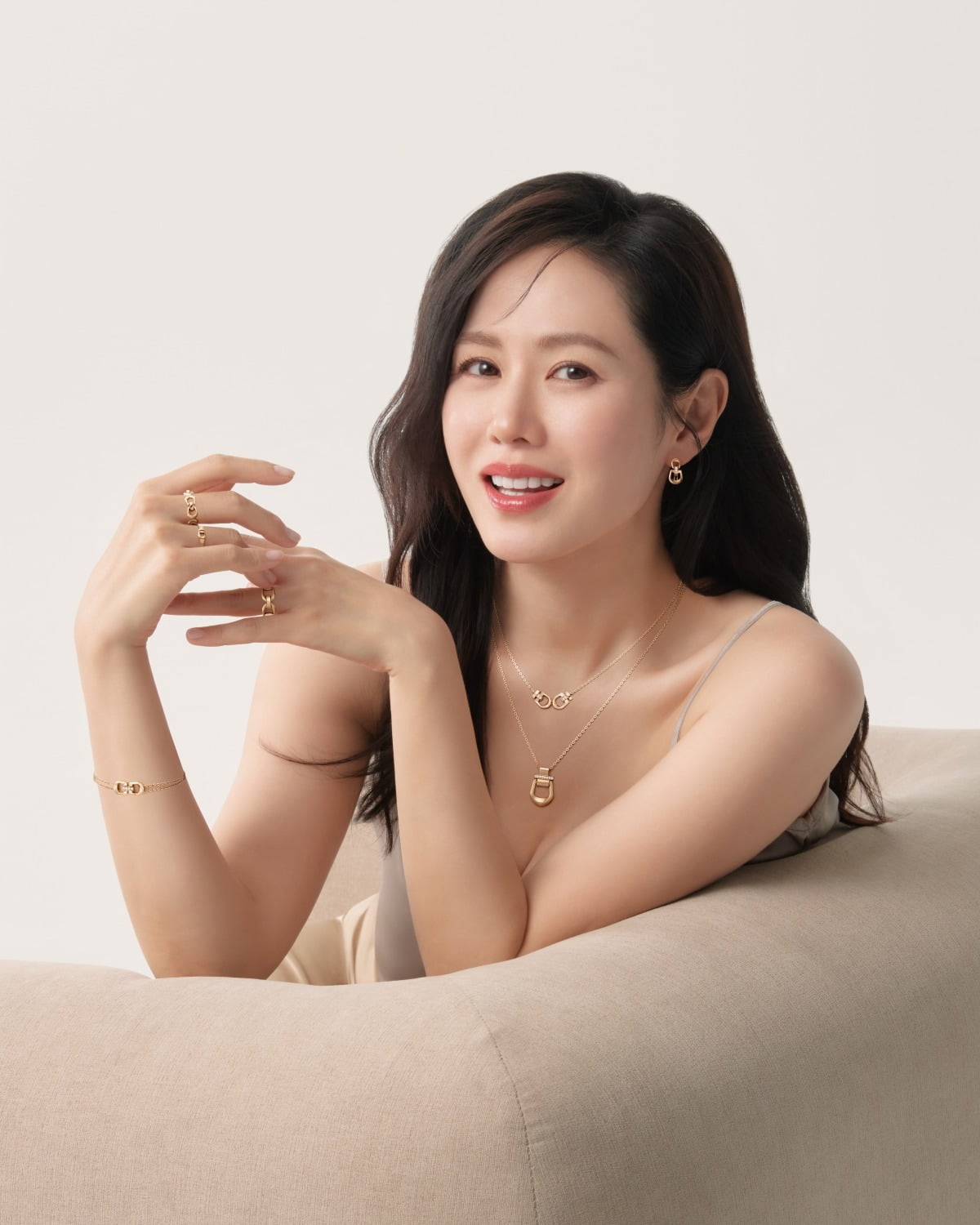
Awareness is increasing, and celebrities are also wearing them. Demand for high-value items with significant carat weight is rising.
In March, VIP customer Mr. A visited a LLOYD jewelry store in Seoul’s Gangnam district and purchased a 7.67-carat diamond on the spot. A diamond of this size would typically be valued at a minimum of 200 to 300 million won. However, the amount Mr. A spent to buy the diamond was only 77 million won.
Another VIP customer, Mr. B, visited the same store four times over three months and bought four diamond products. The items purchased by this customer include a 5.7-carat tennis bracelet, a 4-carat double ring, a 1-carat pink diamond ring, and a diamond guard ring. It is reported that Mr. B, who usually enjoys ultra-luxury jewelry brands like Tiffany & Co. and Van Cleef & Arpels, bought the diamond products from LLOYD to layer with his existing luxury items. The amount this customer spent on the four diamond products was about 15 million won—less than one-fifth of the market price.
The reason these customers were able to purchase diamond products at such low prices is that these products are lab-grown diamonds, commonly referred to as ‘lab diamonds.’ While they were previously perceived primarily as cost-effective products, mainly selling low-priced items under 1 carat, the recent spread of the perception that “there is no quality difference from natural diamonds” has significantly increased the proportion of customers like Mr. A and Mr. B seeking high-value products.
Lab-grown diamonds refer to diamonds produced by being ‘grown’ in a laboratory. They are manufactured by exposing carbon to high pressure and high temperature over a long period and are 100% identical to natural diamonds in physical, chemical, and optical properties. They are so similar that even experts find it difficult to distinguish them, yet their price is up to one-tenth cheaper.
With the rising popularity of lab-grown diamonds, stores selling related products are also seeing increased sales. LLOYD’s sales of lab-grown diamonds over the recent month increased by 21% compared to the same period last year. Among these, the Son Ye-jin ‘Diamond Tudor Rose’ collection accounts for 14% of total sales. In particular, sales of products over 5 ‘bu’ (0.5 carats), which are considered to have relatively large diamond weights, surged by 470%.
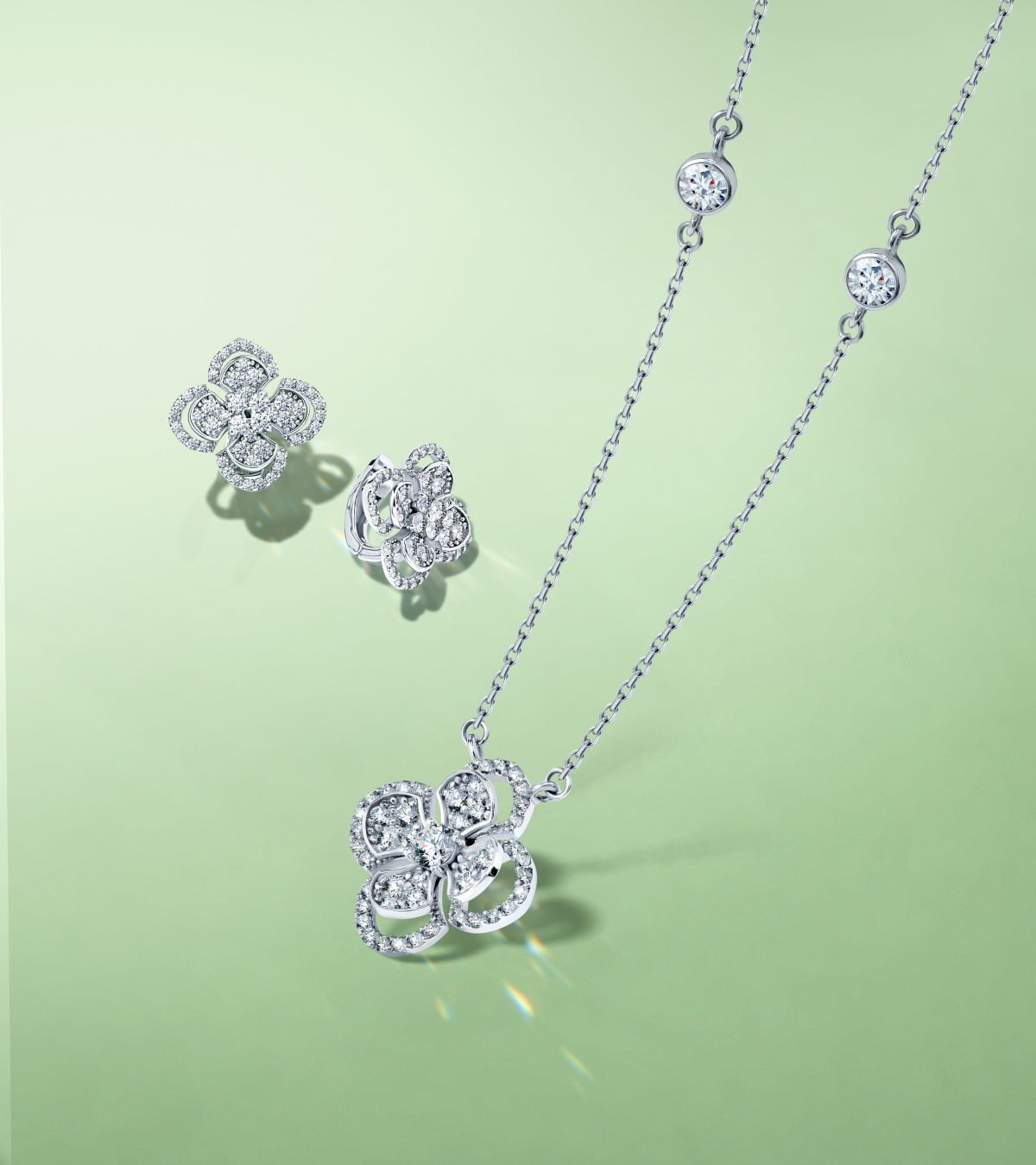
LLOYD, noting the growth of high-value lab-grown diamonds, is expanding its VIP services. It has strengthened VIP customer service by hiring professional sales staff with work experience at global brands like Tiffany and Damiani.
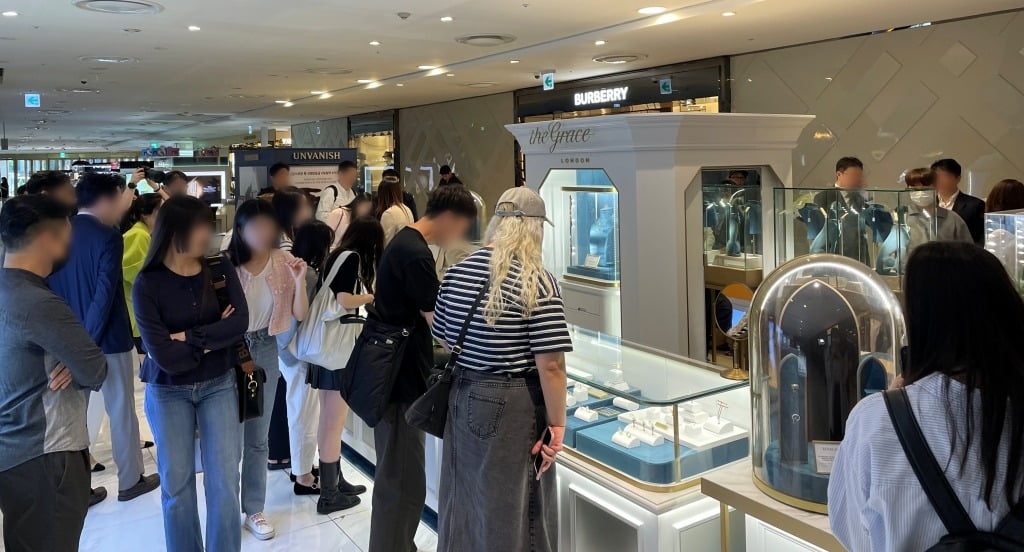
Fine jewelry brands are also reaping significant benefits from lab-grown diamonds. These brands also have a particularly high proportion of VIP customers. The fine jewelry brand The Grace London held two VIP invitation events at Lotte Department Store’s Dongtan branch in August and December last year, achieving sales exceeding 100 million won consecutively. It is reported that word-of-mouth among department store VIP customers led to a significant effect of attracting new customers.