Editor’s Note
Pandora’s commitment to using 100% recycled metals marks a significant shift in the jewelry industry, signaling a broader move toward sustainability. This decision is expected to influence consumer expectations and set new standards for environmental responsibility across the market.
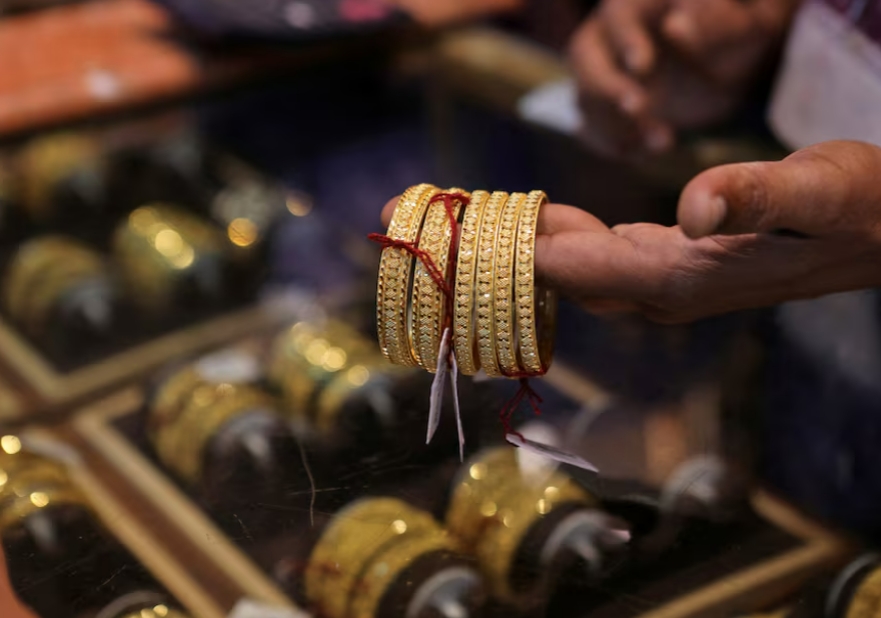
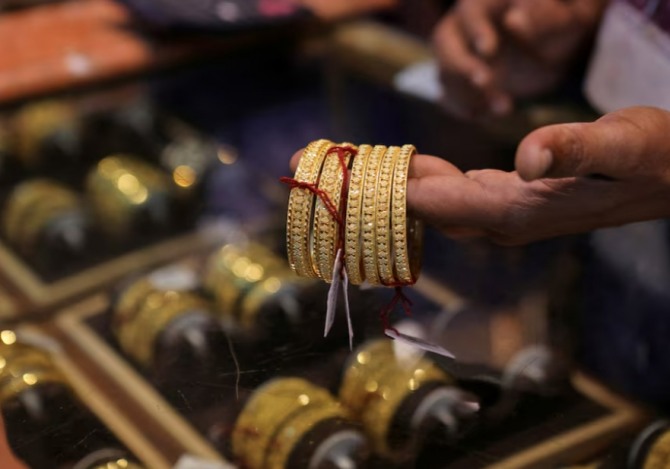
A wave of sustainability revolution is sweeping through the global jewelry market as the world’s largest jewelry brand, Pandora, has declared its commitment to using 100% recycled metals. This move is being seen as a signal flare, heralding not just an environmental campaign by a single company, but a shift in consumer values and structural changes across the entire industry.
Pandora announced on the 23rd (local time) that it will use only 100% recycled gold and silver for all its jewelry products. This achievement comes two years ahead of its 2020 target and is expected to reduce annual carbon dioxide emissions by 58,000 tons—equivalent to the annual electricity consumption of 11,000 households.
This change reflects growing consumer interest in sustainability within the jewelry industry. According to a recent McKinsey report, 73% of Gen Z and Millennial consumers expressed a preference for jewelry produced in a sustainable manner. This suggests that the jewelry industry must accelerate its transition to eco-friendly production methods.
The global jewelry market is estimated to be worth approximately $278 billion as of 2023 and is projected to grow at an average annual rate of 8.5% to reach $450 billion by 2030. Within this, the sustainable jewelry market is expected to show even steeper growth. Market research firm Technavio forecasts that the sustainable jewelry market will grow at an average annual rate of 9.84% from 2021 to 2026.
Pandora’s decision is expected to have ripple effects across the entire jewelry industry. Major brands like Tiffany and Cartier are already strengthening their sustainability policies, and small and medium-sized brands are also expected to join this trend. In particular, recycled metal suppliers and eco-friendly certification bodies are anticipated to benefit.
However, some opinions call for a cautious approach regarding the impact this change will have on the industry as a whole. This is due to anticipated side effects such as price increases and supply shortages caused by surging demand for recycled metals, as well as potential job losses for mine workers in developing countries.
According to the latest report from the World Gold Council, about 25% of the world’s gold supply currently comes from recycled gold. If major jewelry brands expand their use of recycled metals, short-term price pressures due to increased demand are expected. Goldman Sachs forecasts that gold prices could rise to $2,050 per ounce in 2024, partly driven by increased demand for recycled gold.
Furthermore, according to the International Labour Organization (ILO), approximately 15 million people worldwide are engaged in small-scale mining, with the majority concentrated in developing countries. A reduction in demand for newly mined metals due to increased use of recycled metals could directly impact their livelihoods. The World Bank estimates that this change could lead to the loss of about 1 million mining-related jobs in developing countries over the next decade.
Moreover, efficient collection and refining systems are needed for the mass use of recycled metals. According to McKinsey analysis, the current global jewelry industry’s capacity to process recycled metals is only about 60% of demand, indicating a need for large-scale investment.
The domestic jewelry industry is also aligning with this global trend. According to the Korea Jewelry Industry Association, the size of the domestic jewelry market in 2023 is estimated at about 8 trillion won, with the eco-friendly jewelry market accounting for about 10%.
The domestic jewelry industry is also paying attention to this global sustainability trend. According to the Korea Jewelry Industry Association, interest in eco-friendly and ethical sourcing is increasing in the domestic jewelry market, and some brands have begun launching product lines utilizing recycled metals. Particularly, demand for sustainable jewelry is growing among the MZ generation, leading to active investment and R&D by domestic companies.
Meanwhile, this change is expected to have a broad impact beyond the jewelry industry to various other sectors. Since gold and silver are used in diverse industries such as electronics and medical devices, increased demand for recycled metals is likely to lead to a restructuring of supply chains across related industries.
Pandora’s declaration of 100% recycled metal use appears to be the starting point for a sustainability revolution in the jewelry industry. Coupled with changing consumer awareness about the environment, it is expected to accelerate structural changes across the industry. Moving forward, jewelry companies will likely need to make multi-faceted efforts, including transitioning to eco-friendly production methods, ethical sourcing, and transparent supply chain management.