Editor’s Note
This report highlights a concerning surge in COVID-19 hospitalizations in South Korea, driven by the rapid spread of the KP.3 variant. The data underscores the ongoing volatility of the virus and the importance of continued vigilance.
[Medical Observer Reporter Park Sun-jae] Signs of a major summer resurgence of COVID-19 are emerging as hospitalizations due to the virus surge sharply in July-August.
In early August, the Korea Disease Control and Prevention Agency (KDCA) announced that while the number of COVID-19 inpatients had decreased since peaking in the first week of February, the weekly number of new inpatients had increased 5.1-fold over the recent four weeks.
Specifically, the numbers were: first week of July (91), second week (148), third week (225), and fourth week (465). Notably, patients aged 65 and older accounted for 64.9% (7,179) of the total inpatients (11,069), followed by those aged 50-64 at 18.5% (2,052), and those aged 19-49 at 10.2% (1,130).
The KDCA stated, “The virus detection rate also rose by 17.2 percentage points over the recent four weeks (from 7.4% in the fourth week of June to 24.6% in the third week of July), and among variant viruses, ‘KP.3’ shows a clear increasing trend.”
In reality, the KP.3 detection rate increased from 12.1% in June to 39.8% in July.
KP.3, designated by the World Health Organization (WHO) as a Variant Under Monitoring, has three additional mutations in the S protein compared to ‘JN.1’, and a slight increase in immune evasion capability has been confirmed.
The KDCA assessed, “In countries like the US, UK, and Japan, where KP.3 spread earlier than in Korea, COVID-19 cases are also trending upwards, but the overall situation remains stable.”
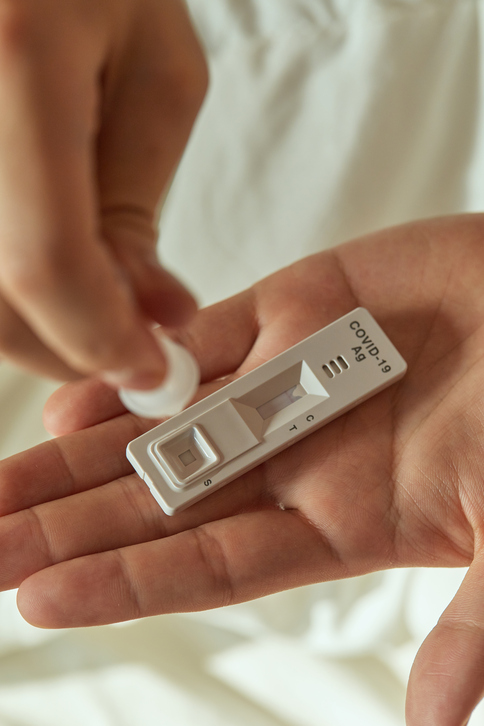
As the government worries, sales of COVID-19 self-test kits at pharmacies are also on an upward trend.
According to CareInsight, a pharmacy field data analysis service, sales of COVID-19 self-test kits from July 21 to 27 increased by 43.8% compared to the previous week.
Clinics also report an increase in patients complaining of COVID-19 symptoms.

Professor B from the Infectious Diseases department at a university hospital in Seoul also said they feel an increase in COVID-19 patients on the ground.
Demand for COVID-19 treatments is also trending upwards. Currently, officially approved COVID-19 treatments in Korea include Pfizer’s Paxlovid, MSD’s Lagevrio, and Celltrion’s ‘Rekirona’.
Ahead of the summer resurgence, health authorities plan to secure a supply of Paxlovid for July sufficient for about 76,000 people, more than 100 times the June supply.
Professor Jung Jae-hoon (Department of Preventive Medicine) from Gachon University College of Medicine diagnosed that COVID-19 has been progressing towards becoming endemic since the major Omicron variant wave in 2022.
Professor Jung recommended that if respiratory infection symptoms such as cough and fever occur, contact with others should be avoided and comfortable rest taken.
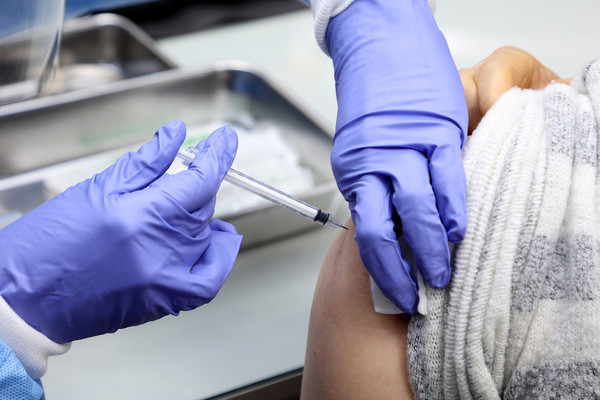
The government plans to start preventive vaccination for the elderly aged 65 and above in October.
It also advised wearing masks when visiting medical and nursing facilities, and to pay attention to vaccination if there are elderly people nearby for whom a long time (6-12 months or more) has passed since their last vaccination or infection.
The government plans to introduce a new COVID-19 vaccine in October in preparation for the summer resurgence.
The KDCA said, “The government will begin vaccinations in October for those aged 65 and above, and will conduct activities such as intensive management of patient occurrences in COVID-19 vulnerable facilities like nursing hospitals, and promotion of infectious disease prevention rules.”