Editor’s Note
The diamond industry is undergoing a significant transformation. As this article details, lab-grown stones are no longer a niche product but a mainstream choice, capturing a substantial market share in key segments like engagement rings. This shift reflects changing consumer preferences and the strategic adaptation of major luxury brands.
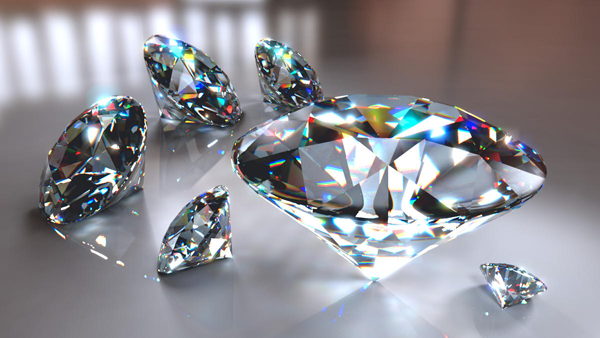
Mined diamonds have fallen out of fashion. The lab-grown diamond industry is now expanding rapidly, and the world’s most important luxury jewelry brands have begun to implement this form of production and, above all, to reap profits. In the United States, currently, half of the stones sold are lab-grown, and nearly 40% of engagement rings feature an industrial diamond.
The push for the synthetic diamond industry is also a consequence of the current global geopolitical environment, as Russia was responsible for 70% of the world’s rough diamond production. Since the start of the war with Ukraine, several countries have imposed restrictions on purchasing gems from the country.
This, combined with the global economic recession following the health emergency, caused India’s exports of cut diamonds to fall by 29% between April and October 2023.
Given this scenario, raw diamond cutters in India have now specialized in lab production, and exports of synthetics have skyrocketed in 4 years, between 200% and 750%. They now represent 19% of the local market and have tripled in value between 2018 and 2023.
However, the synthetic diamond boom has also brought negative consequences, such as a 58% drop in wholesale prices in one year: the price of a medium-quality one-carat polished diamond fell from $2,400 to $1,000 between 2022 and 2023.
Despite this, the biggest luxury jewelry brands decided a couple of years ago to venture into this industry:
In 2021, Pandora, the world’s largest jewelry manufacturer by volume, announced it was abandoning mined diamonds to replace them with lab-grown stones; sales of this type of stone, according to the brand, have had a greater impact among younger generations.
Similarly, LVMH, parent company of Tiffany & Co, which initially specialized in natural diamonds, has also begun to include synthetic diamonds in its collections to test the impact on its customers.
It is worth noting that, according to specialists, the difference between natural and synthetic diamonds is practically imperceptible because they have the same physical, chemical, and optical properties, so only experts, backed by professional equipment, could tell one from the other.
The process of creating synthetic diamonds was perfected in the 2010s and became commercially viable. Since then, these precious stones have continued to gain ground over natural ones.
This advance is partly also due to the manufacturing time and cost: a well-equipped lab technician takes only eight weeks to create a synthetic diamond, and its price ranges from one-tenth to half that of a mined diamond.
While ten years ago they represented less than 1% of the global market, synthetic precious stones now represent at least 20%.