Editor’s Note
De Beers has implemented its steepest price cuts in years for rough diamonds, a move reflecting sustained market pressures and aimed at stimulating year-end sales. This article details the scale and context of this significant adjustment.
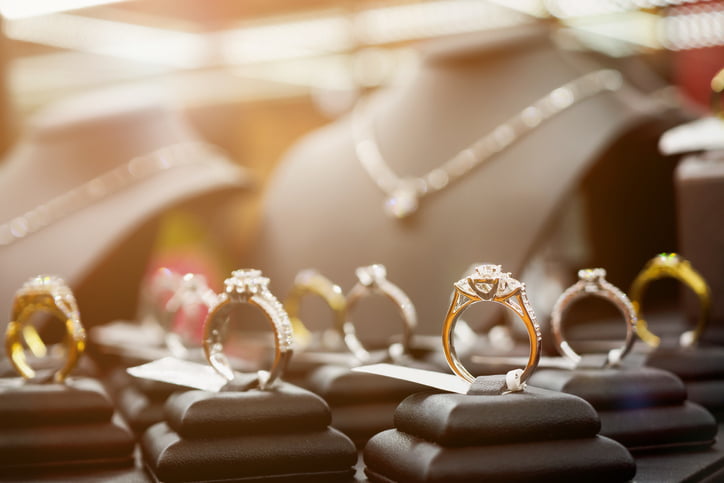
De Beers, the world’s largest diamond supplier, has significantly reduced the selling price of rough diamonds by 10-15% across various categories ahead of the year-end final sales season. This is interpreted as an inevitable decision due to price pressures that have persisted for years.
On the 2nd (local time), following a major price cut earlier this year (average 10%), the largest in five years, De Beers announced another large-scale price adjustment. Bloomberg reported that this reduction is the largest ever.
De Beers had previously maintained a price-holding strategy despite the continuous decline in rough diamond prices in the secondary market (trading among traders and manufacturers). This decision by De Beers is a response to the sluggish demand for natural diamonds that has continued since last year.
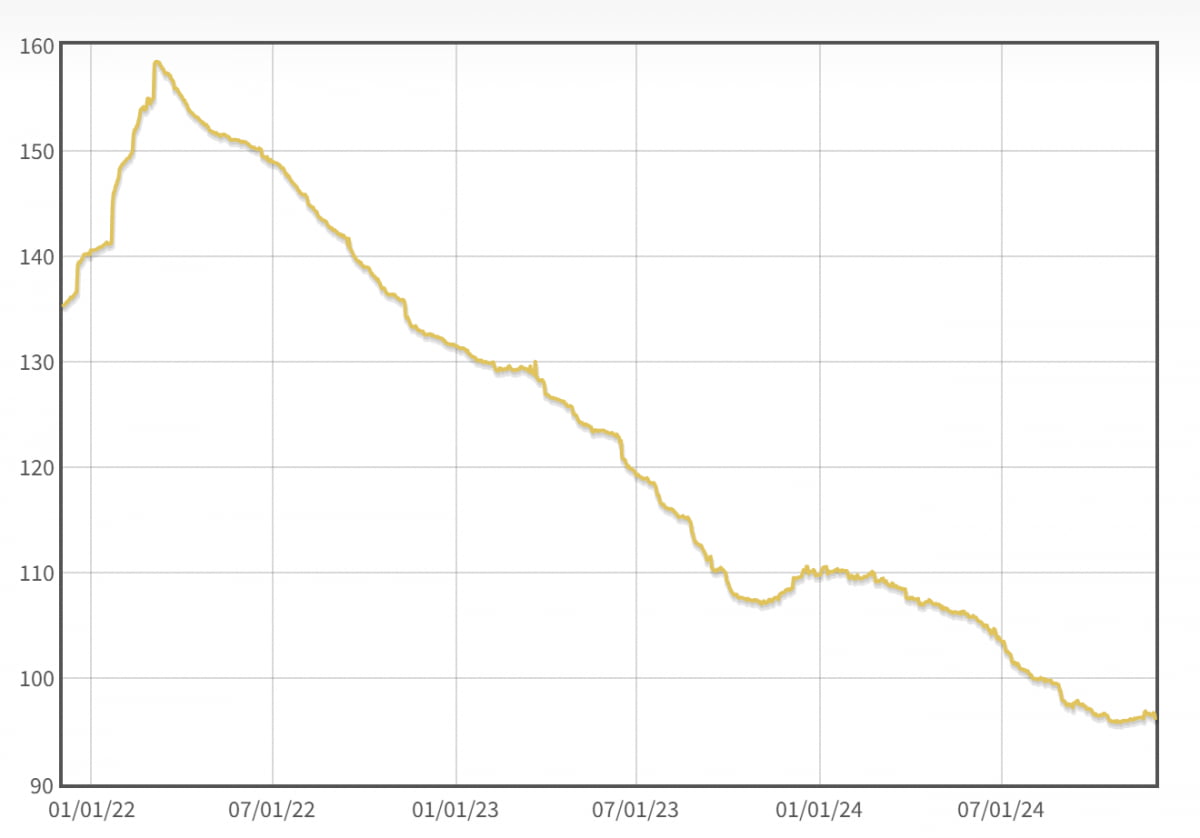
The natural diamond industry is experiencing its most severe downturn in decades in recent years. According to the International Diamond Exchange (IDEX), the diamond price index, after hitting an all-time high of 158.39 in March 2022 (2021=100), has now fallen to 96.11.
During the pandemic, diamond prices surged as consumers spent more time at home and increased luxury spending. However, the market downturn deepened as purchasing power weakened due to subsequent inflation. The slowdown in China’s luxury market and increased ethical consumption due to ESG (Environmental, Social, and Governance) issues have also significantly impacted demand reduction.

The rapid growth of lab-grown diamonds, which tout lower prices and ethical superiority, has also posed a major challenge to the natural diamond market. Lab-grown diamonds are gaining popularity among young consumers, rapidly eroding the market share of natural diamonds.
Bloomberg reported, “Despite De Beers’ price cut, De Beers’ rough diamonds are still valued at a premium compared to the secondary market.” According to London-based gem dealer Queensmith, lab-grown diamonds are 60-85% cheaper than natural diamonds.
McKinsey stated in a recent report, “The diamond industry has reached an inflection point,” advising that it “must collaborate with governments and communities to enhance ethical value and utilize digital tools like artificial intelligence (AI) to increase mining productivity.”
It added, “The natural diamond industry has overlooked lab-grown diamonds, but lab-grown diamonds are expected to become an increasingly important component of the overall diamond industry,” and “Lab-grown diamond prices will continue to fall.” McKinsey emphasized, “The diamond industry must closely track customer behavior and preferences going forward.”